2025 Guide to Choosing the Best Vending Equipment for Your Business
In the ever-evolving landscape of the vending industry, selecting the right vending equipment is crucial for ensuring the success of your business. As we approach 2025, understanding the latest trends and technologies in vending machines can dramatically enhance customer experience, improve operational efficiency, and ultimately increase profitability. Whether you're launching a new vending venture or upgrading your existing machines, knowing what to look for in quality vending equipment is paramount.
Today’s consumers expect convenience and variety at their fingertips, which means that your choice of vending equipment should cater to these demands. From traditional snack and beverage dispensers to advanced automated machines that offer healthy options and unique products, the possibilities are endless. This guide will delve into various aspects of vending equipment selection, including technological advancements, size and space considerations, payment options, and maintenance requirements. By making informed decisions in each of these areas, you can equip your business for success in the competitive vending market of 2025.

Understanding the Different Types of Vending Equipment Available
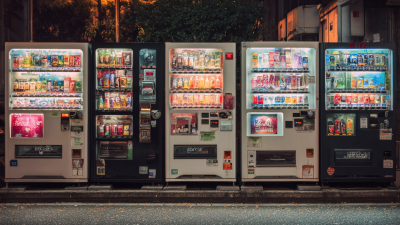
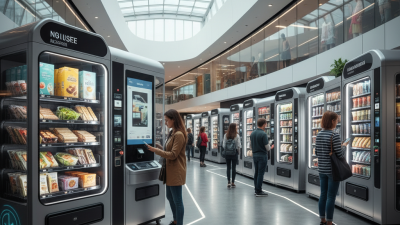
When selecting vending equipment for your business, understanding the different types available is crucial for maximizing profitability and meeting customer needs. The landscape of vending machines has evolved significantly, with options ranging from traditional snack and beverage machines to more advanced models offering fresh food and healthy choices. According to a recent report by IBISWorld, the vending machine industry in the U.S. is projected to reach $26 billion by 2025, illustrating the growing demand for innovative vending solutions.
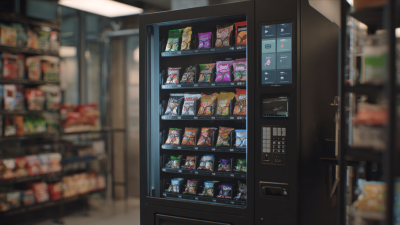
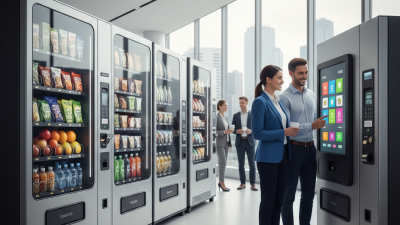
Moreover, technology plays a pivotal role in modern vending equipment. Machines equipped with cashless payment options and touchscreens enhance user experience, making transactions seamless and efficient. A study from Statista highlights that cashless payments in vending are expected to increase by 30% annually, indicating that operators should consider this feature when choosing equipment. Additionally, energy-efficient models are gaining traction, as they not only reduce operational costs but also align with eco-friendly initiatives increasingly valued by consumers. Selecting the right vending equipment tailored to these trends can make a significant impact on your business's success.
2025 Vending Equipment Comparison
This chart compares the sales of different types of vending equipment projected for 2025. It helps businesses understand which machines are anticipated to have the highest demand.
Evaluating Your Business Needs for Vending Solutions
When considering the best vending equipment for your business in 2025, evaluating your specific business needs is crucial. According to a report by IBISWorld, the vending machine industry has seen a steady growth rate of 3.1% annually over the past five years, suggesting an increased demand for tailored vending solutions. Understanding your target market is the first step. Are you catering to health-conscious consumers or providing snacks for a busy office environment? An analysis by Statista indicates that 34% of consumers prefer healthy snack options, which means that your vending machines should be stocked accordingly to attract this demographic.
Furthermore, location plays a significant role in selecting the right vending equipment. A study by the National Automatic Merchandising Association (NAMA) highlights that vending machines located in high-traffic areas can generate up to 50% more revenue than those in less frequented spots. Assessing foot traffic and customer demographics in potential placement areas will enable you to choose machines that not only fit the consumer profile but also yield the highest return on investment. By thoroughly evaluating these factors, you can optimize your vending solutions to enhance profitability and customer satisfaction.
Key Features to Look for in Quality Vending Machines
When selecting vending machines for your business, it's crucial to consider key features that enhance functionality and user experience. The latest trends indicate that sustainability has become a significant factor in the food and drink options provided. For instance, research shows that universities in Slovenia are increasingly focusing on the environmental impact of vending machine offerings, promoting healthier and more sustainable choices. This shift aligns with a broader demand for ethical consumption, making it vital to choose machines that support diverse, eco-friendly product lines.
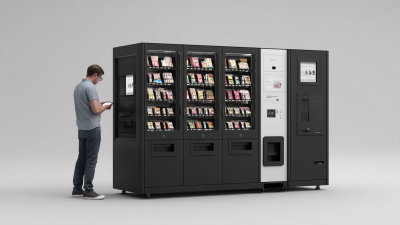
Another important consideration is the revenue potential of specialty vending machines. For example, ice cream vending machines have proven to be a lucrative investment, generating significant profits during peak seasons. Reports indicate that some vendors have seen returns of up to $95,000 in revenue over the summer months alone. Additionally, the growing interest in automation, such as robotic vending machines, highlights a shift towards innovative solutions that not only attract consumers but also streamline operations. As the vending machine market is projected to grow significantly, with estimates suggesting a rise from $3.36 billion in 2024 to $4.64 billion by 2033 in Australia, now is the time to invest in quality equipment that meets these evolving demands.
Budgeting for Your Vending Equipment Investment
When it comes to selecting the best vending equipment for your business, budgeting plays a crucial role in ensuring a successful investment. Start by defining your budget parameters, which should encompass not only the initial cost of purchasing the vending machines but also ongoing operational expenses. Consider factors such as maintenance, restocking, and potential upgrades. A well-structured budget allows you to explore a range of equipment options while keeping your financial goals in check.
Additionally, assess the return on investment (ROI) for different vending machines. Analyze factors like expected sales volume, product selection, and consumer demands in your target market. Higher-quality machines with advanced features may require a larger upfront investment, but they often provide better returns through increased sales and customer satisfaction. By carefully weighing the upfront costs against potential profits, you’ll be better equipped to make an informed decision that aligns with your business objectives.
Maintenance and Support Considerations for Vending Machines
When selecting vending machines for your business, maintenance and support are paramount considerations that can significantly impact your operational efficiency. According to a recent report by IBISWorld, the U.S. vending machine industry generates approximately $7 billion annually, underscoring the competitiveness and demand in this market. Regular maintenance plays a crucial role in ensuring your equipment's longevity and minimizing downtime. A survey from the National Automatic Merchandising Association (NAMA) reveals that well-maintained machines have a 30% lower risk of malfunction than those that are not routinely serviced.
Tips: Establish a maintenance schedule that allows for routine checks and repairs, ensuring that snacks and beverages remain fresh and appealing. Additionally, consider partnering with a vending machine supplier that offers comprehensive support services, including rapid response to malfunctions. This partnership can boost customer satisfaction, as 68% of customers reported they would return to a machine that consistently operates without issues.
Support considerations also extend to training your staff on basic troubleshooting procedures. Ensuring employees know how to handle minor issues can reduce reliance on external technicians for every problem. According to VendingMarketWatch, businesses that proactively train staff reduce operational costs by up to 20%, optimizing both efficiency and service quality.