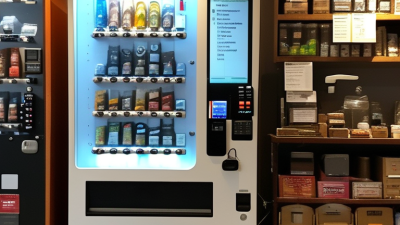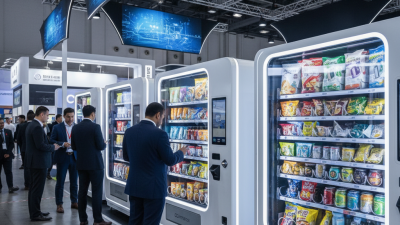
Choosing the best beverage vending machine in 2026 is not simply a matter of selecting the newest model. The right machine must match its location, customers, products, and service capacity. A busy hospital may need chilled water, low-sugar drinks, and contactless payments. A factory may prioritize large capacity, strong security, and rapid dispensing. A small office may value quiet operation and compact design more than advanced analytics.
Vending-industry consultant David J. Levy has said, “The best vending machine is the one that serves the customer reliably and pays for itself.” That principle remains practical in 2026. A modern beverage vending machine can offer remote inventory monitoring, touchscreen ordering, cashless payments, temperature controls, and energy-saving systems. However, technology alone does not guarantee strong performance. A beautiful interface cannot fix empty shelves, slow repairs, or poor product selection.
Real-world experience still matters. Operators should examine delivery frequency, compressor performance, payment reliability, cleaning access, and warranty support. They should also test the machine with real users, not only review a specification sheet. Some promising features may create extra maintenance work. That is easy to overlook. The best choice may therefore be less impressive, but more dependable. This guide compares machine types, operating costs, product flexibility, energy use, and customer experience. It also considers an uncomfortable question: are buyers choosing useful equipment, or simply paying for features they rarely need?
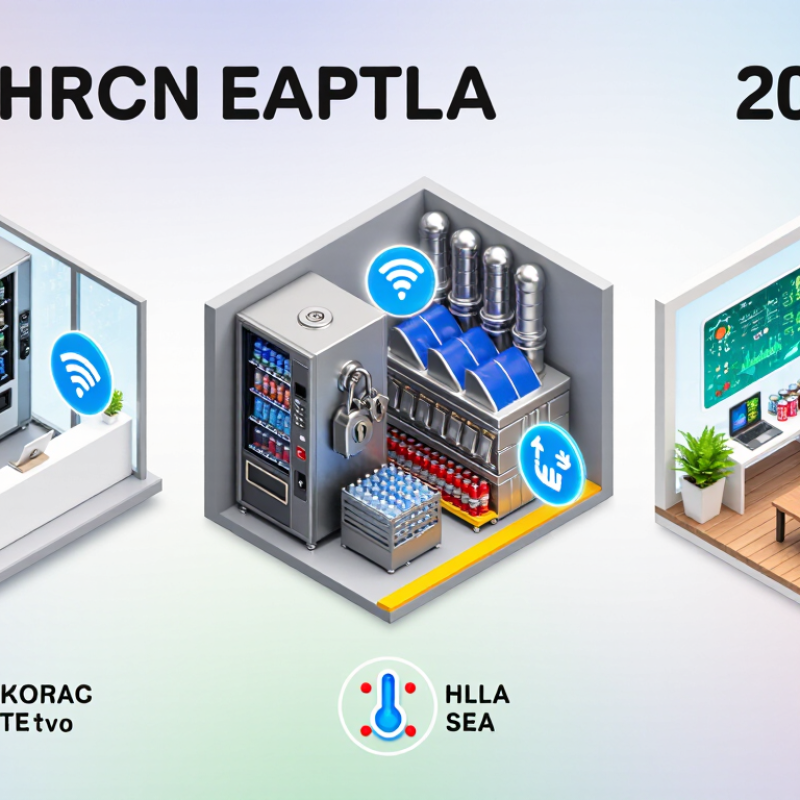
Defining the Best Beverage Vending Machine in 2026 requires more than comparing screens, prices, or product capacity. The strongest machine should maintain safe temperatures, recover quickly after frequent openings, and provide clear stock visibility. A 2024 Grand View Research report estimated the global vending machine market at over 20 billion U.S. dollars. That growth increases competition, but it does not guarantee better equipment.
Reliability comes first. Operators should review uptime records, compressor performance, refill access, and payment failure rates. ENERGY STAR reports that certified refrigerated beverage vending machines can use about 40% less energy than standard models. That difference matters in a busy lobby, where one machine may run continuously. The Federal Reserve’s 2024 Diary of Consumer Payment Choice found cash represented only about 16% of consumer payments. Therefore, dependable card and mobile payment options are essential.
Small details shape the real buying decision. A good machine keeps cans organized, shows accurate inventory, and dispenses products without awkward drops. It should also provide remote alerts before a temperature problem becomes a customer complaint. I would not trust a polished touchscreen alone. Hardware testing still matters. Measure recovery time with a full queue, inspect condensation, and calculate energy costs over twelve months. The “best” choice may look less impressive, yet perform better during a hot afternoon and a long refill cycle. Perfect evaluation is difficult, and site conditions can expose weaknesses that sales literature never mentions.
What Is the Best Beverage Vending Machine in 2026?
Key Features and Technologies to Evaluate
The best beverage vending machine is not simply the one with the largest screen. In real locations, reliability, temperature control, and easy maintenance matter more. A strong unit should keep drinks consistently chilled, even during busy afternoon periods. Look for efficient compressors, insulated storage, and clear temperature alerts. The delivery system should handle cans and bottles smoothly without damaging them. Small failures quickly become expensive.
Modern technology can improve daily operations. Remote monitoring should report stock levels, payment errors, door openings, and temperature changes. Contactless payment is useful, but it must include secure data protection and clear transaction records. A bright, accessible interface helps users with different needs. Energy tracking also reveals whether the machine performs efficiently. However, smart features are not automatically valuable. I once reviewed a connected system that produced impressive reports but offered poor maintenance access.
Tips: Test the machine with your actual product sizes before installation. Check how quickly staff can refill it and clean the dispensing area. Ask for service response times, warranty terms, and replacement-part availability. Review local safety, electrical, accessibility, and payment requirements. Do not ignore noise; a loud compressor can become irritating in offices or quiet public spaces. A short trial often exposes problems that specifications hide.
What Is the Best Beverage Vending Machine in 2026?
Comparing Beverage Types, Capacity, and Dispensing Speed
The best beverage vending machine depends on location, traffic, and temperature. A chilled unit suits offices, hospitals, and transport hubs. It should handle water, sparkling drinks, juices, coffee, and low-sugar options. IWSR’s 2024 No- and Low-Alcohol Strategic Study projects around 7% annual volume growth through 2028. That trend supports wider non-alcoholic beverage selection. Still, a large menu can slow customer decisions.
Capacity matters more than appearance. Grand View Research valued the global vending machine market at approximately USD 18.5 billion in 2023. High-traffic locations need at least 300 to 500 beverage slots, depending on package size. Narrow cans use space efficiently, while bottles require deeper spirals and stronger cooling. Operators should measure hourly demand, not guess from daily sales. My practical concern is simple: oversized machines often waste energy and hold slow-moving stock.
Speed also affects revenue. A strong machine should complete payment, product release, and door closure within about 30 seconds. Faster service matters during lunch breaks and commuter peaks. Refrigeration recovery is easy to overlook. Frequent opening can raise internal temperature and reduce drink quality. The fastest design is not always the best one. Reliability, accurate inventory tracking, and easy cleaning deserve equal attention. Industry reports provide useful benchmarks, but each site still needs a short pilot test.
| Machine Type | Suitable Beverage Types | Typical Capacity | Typical Dispensing Speed | Temperature Range | Main Advantages | Best Use Case |
|---|---|---|---|---|---|---|
| Refrigerated Can and Bottle Machine | Aluminum cans, PET bottles, water, carbonated soft drinks, juice and energy drinks | Approximately 150–500 units | 10–20 seconds per sale | Usually 2–10°C for chilled products | Broad product compatibility, simple operation and reliable cold storage | Offices, schools, transport hubs and outdoor locations |
| High-Capacity Glass-Front Machine | Cans, bottles, cartons and mixed beverage selections | Approximately 300–700 units | 12–25 seconds per sale | Usually 2–10°C for refrigerated models | Large product variety, strong visibility and fewer restocking visits | Shopping centers, factories, hospitals and busy campuses |
| Compact Refrigerated Machine | Small bottles, cans, water, juice and soft drinks | Approximately 60–180 units | 8–18 seconds per sale | Usually 2–10°C | Small footprint, lower installation requirements and easy placement | Small offices, apartment buildings, gyms and cafés |
| Fresh Beverage Dispensing Machine | Freshly mixed juice, flavored water, iced tea and other non-carbonated drinks | Approximately 80–250 servings, depending on container size | 15–35 seconds per serving | Typically served chilled at approximately 2–8°C | Supports fresh preparation and customizable portion sizes | Hotels, cafeterias, wellness centers and food-service areas |
| Hot Beverage Vending Machine | Coffee, tea, hot chocolate, milk-based drinks and hot water | Approximately 100–300 servings per refill cycle | 20–45 seconds per cup | Typically dispensed at approximately 70–90°C | Provides made-to-order hot drinks with multiple recipe options | Workplaces, colleges, hospitals and waiting areas |
| Ambient Beverage Machine | Room-temperature water, juice cartons, shelf-stable milk and sealed drinks | Approximately 100–350 units | 8–18 seconds per sale | Ambient temperature; generally below 25°C is preferred | Lower energy consumption and simpler maintenance than refrigerated models | Indoor sites where chilled drinks are not essential |
How to choose: For the widest demand and fastest everyday sales, a refrigerated can-and-bottle machine is usually the most versatile option. Choose a high-capacity glass-front model for high-traffic locations, a compact refrigerated model when floor space is limited, and a fresh or hot beverage machine when drink customization is more important than maximum throughput. Capacity and dispensing speed are typical industry ranges and vary with product size, payment processing, delivery mechanism and machine configuration.
What Is the Best Beverage Vending Machine in 2026?
The best beverage vending machine is not always the cheapest model. Purchase price matters, but electricity, payment processing, delivery, and repairs shape the real cost. A practical evaluation should measure monthly energy use with a plug-in meter. Machines using efficient compressors, insulated cabinets, LED lighting, and sleep settings usually reduce operating expenses.
Maintenance affects reliability more than many buyers expect. During regular inspections, clean the condenser coils, check door seals, and remove spilled liquid from the dispensing area. A clogged filter can increase cooling time. Remote alerts are useful, but they do not replace physical checks. Small faults become expensive quickly. I have seen a loose seal cause warm drinks and unnecessary compressor cycling.
Safety requires clear temperature control and accurate records. Perishable beverages should remain within the temperature range recommended by local health authorities. A visible temperature display helps staff notice problems early. The machine should also have grounded wiring, secure panels, stable placement, and strong door locks. Avoid units with sharp edges or poorly protected electrical parts. Accessibility matters too, especially when customers use the machine from different heights or with limited mobility. Energy efficiency can be improved further by placing the unit away from direct sunlight and hot equipment. That detail is easy to miss. A slightly cheaper machine may still be the wrong choice if its service access is awkward or replacement parts are difficult to obtain.
Comparison of typical non-branded commercial machine categories by cost, maintenance, safety, and energy efficiency.
The chart uses typical 2026 commercial-market benchmarks. Purchase and annual maintenance costs are shown in U.S. dollars, while energy efficiency is measured as annual electricity consumption. Safety is represented by a 100-point operational score, where a higher score indicates stronger protection features such as over-current protection, temperature monitoring, grounding, door locks, and anti-pinch design. Lower cost, maintenance, and energy consumption generally indicate better total ownership efficiency.
What Is the Best Beverage Vending Machine in 2026?
The best beverage vending machine depends on the location, not the newest feature list. A busy office needs quick payment, quiet operation, and reliable stock levels. A school or hospital may require clear nutrition information and simple product selection. Outdoor sites need weather-resistant housing, strong lighting, and temperature control. They also need protection from dust and sudden weather changes.
A practical site check should measure foot traffic, available power, floor space, and service access. In a narrow lobby, a slim machine may perform better than a larger model. In a factory, workers may prefer cold water, electrolyte drinks, and larger bottles. A hotel lobby often benefits from premium packaging and low operating noise. Payment options should match customer habits, including contactless payments and coins. Remote inventory tracking can reduce empty shelves, but only when staff respond quickly.
I have seen operators choose machines by appearance alone. That decision can create expensive problems. A bright display cannot fix poor placement or frequent cooling failures. Cleaning access matters more than many buyers expect. The machine should have smooth surfaces, secure storage, and a clear maintenance schedule. Energy use also deserves careful review, especially for machines operating around the clock. Sometimes, the less impressive model fits the location better. That is easy to overlook.