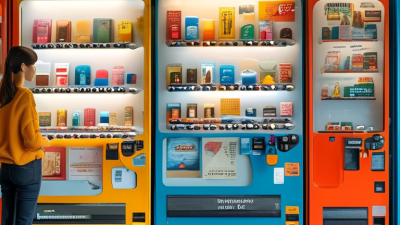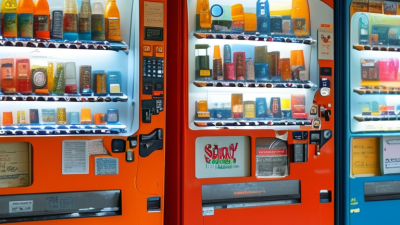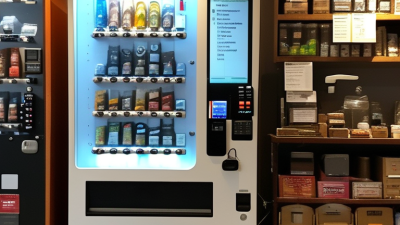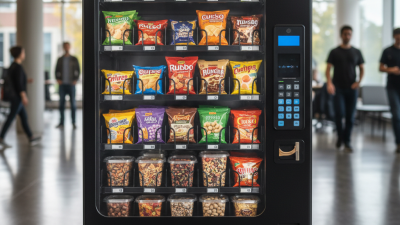
Choosing the 2026 best coffee vending machine for business requires more than comparing prices and screen designs. A reliable machine should serve consistent coffee during busy mornings, lunch breaks, and late shifts. It must also match your location, customer volume, staffing capacity, and maintenance routine.
In this guide, we examine the features that matter in real business settings. These include brewing speed, bean freshness, drink customization, payment options, energy use, cleaning access, and technical support. A machine beside a warehouse entrance faces different demands from one inside a hotel lobby. Small details matter. A bright touchscreen helps customers order quickly, while a large waste container can reduce daily servicing.
Cost needs careful attention too. The purchase price is only one part of ownership. Ingredient expenses, filters, repairs, software fees, and electricity can change the final return. We also consider customer experience, including cup temperature, aroma, noise, and waiting time. These factors often influence repeat purchases more than impressive specifications.
No single coffee vending machine for business suits every company. Some models look advanced but may be difficult to clean. Others offer excellent coffee but limited payment flexibility. That is worth admitting. Real-world performance can differ from a showroom demonstration. Therefore, this overview uses a practical comparison approach, balancing expert criteria with everyday observations. The goal is not to promote one universal winner, but to help businesses choose a dependable machine with clear value in 2026. Your best choice may be less glamorous, yet more profitable.
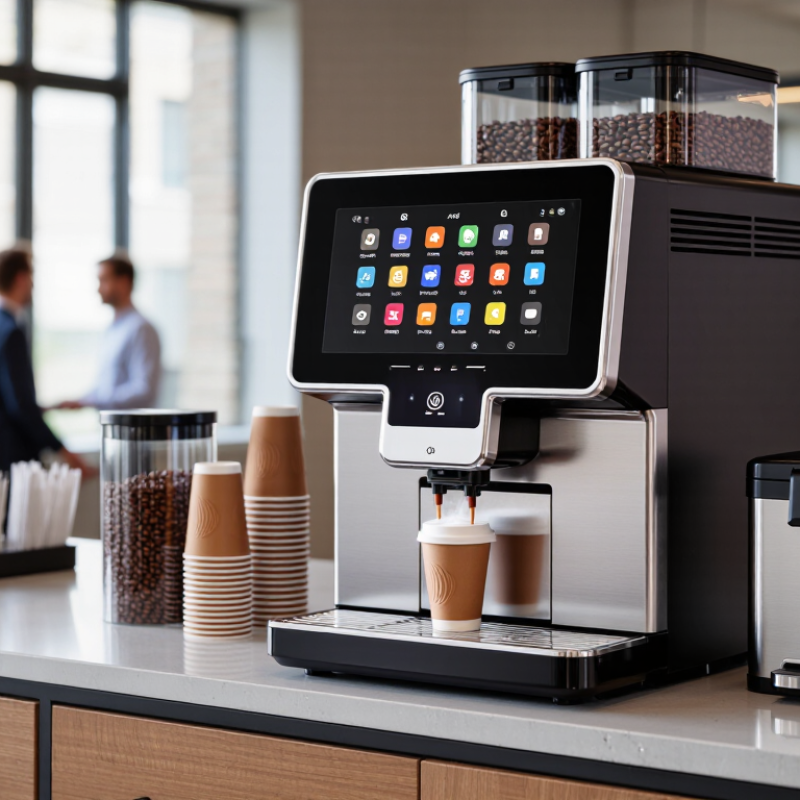
A coffee vending machine for business is a self-service beverage station that grinds, brews, mixes, and serves coffee with limited staff involvement. It usually combines a bean or soluble-coffee system, water filtration, milk options, heating controls, contactless payment, and automated cleaning alerts. In a workplace, hospital, hotel, or transport site, it can turn a small corner into a compact coffee bar.
The International Coffee Organization reported global coffee consumption of about 177.9 million 60-kilogram bags in 2023/24. That demand supports convenient formats, but convenience alone does not guarantee sales. A 2022 NAMA census valued the U.S. convenience-services industry at approximately $26.6 billion, showing strong demand for unattended food and beverage access. The figures are useful, yet they do not predict every location. Foot traffic, operating hours, water quality, and employee habits matter more than a glossy forecast.
A practical machine should deliver consistent temperature, simple payment, clear allergen information, and quick maintenance access. Operators should track cups sold, downtime, ingredient waste, refill frequency, and cleaning time. I have found that small delays feel surprisingly long during a morning rush. Milk systems can also create avoidable hygiene risks when staff neglect daily care. Forecasts from commercial market reports may suggest rapid growth, but forecasts are not guarantees. The best choice is the machine that fits real demand, service skills, and available floor space.
2026 Best Coffee Vending Machine for Business?
How to Compare Coffee Vending Machine Types and Features
Coffee demand remains strong, but machine selection depends on location, traffic, and service capacity. The National Coffee Association’s Spring 2024 report found that 67% of American adults drank coffee the previous day. That supports workplace, hospital, campus, and transport-site demand. However, demand alone does not guarantee profit.
Compare three practical types: instant, bean-to-cup, and capsule-based machines. Instant models usually offer lower purchase and maintenance costs. Bean-to-cup systems provide fresher aroma, grinding beans moments before brewing. They also need more cleaning and stable water quality. Capsule machines can control portions well, but waste handling may become a concern. Check brewing speed, cup sizes, payment options, remote monitoring, refrigeration, and accessibility. USDA Foreign Agricultural Service data forecast global coffee production at about 174.9 million 60-kilogram bags in 2024/25. Supply is large, yet prices and availability can still change.
Tips: Test the machine during peak periods. Measure queue time with real users. Ask for cleaning records and parts availability. A beautiful screen cannot fix slow service. Energy consumption matters, especially for 24-hour locations. Do not trust projected sales without checking foot traffic. I would also compare milk systems carefully; fresh-milk features improve quality, but they add hygiene work and potential downtime. Some operators underestimate that burden. Reliable reporting and a written maintenance plan often matter more than extra drink buttons.
| Comparison Dimension | Instant Coffee Vending Machine | Bean-to-Cup Coffee Vending Machine | Fresh-Brew Coffee Vending Machine | Capsule or Pod Coffee Vending Machine |
|---|---|---|---|---|
| How It Works | Mixes soluble coffee powder with heated water and dispenses a prepared drink. | Grinds whole beans, brews coffee, and dispenses the drink automatically. | Brews ground coffee through a filter or brew basket for each serving or batch. | Uses a sealed, pre-portioned capsule or pod to prepare one beverage at a time. |
| Typical Beverage Quality | Consistent and convenient; generally lighter in aroma than freshly ground coffee. | Strongest fresh-coffee experience among automated vending formats when properly maintained. | Full-bodied brewed flavor; quality depends on grind, freshness, water, and holding time. | Consistent portion and flavor; drink quality depends on capsule or pod freshness and recipe. |
| Typical Preparation Time | Approximately 15–30 seconds per cup. | Approximately 30–60 seconds per cup, including grinding and brewing. | Approximately 30–90 seconds per cup, depending on batch size and brew method. | Approximately 20–45 seconds per cup. |
| Approximate Output Capacity | About 150–500 servings between ingredient refills. | About 80–250 servings between bean, milk, and ingredient refills. | About 100–300 servings, depending on hopper, brewer, and waste-bin capacity. | About 50–200 capsules or pods before replenishment. |
| Milk and Beverage Options | Powdered milk, non-dairy creamer, chocolate, tea, and flavored drinks are commonly available. | Espresso-based drinks, black coffee, milk drinks, hot chocolate, and selected tea options are commonly available. | Black coffee, tea, and selected milk or flavored beverages; options depend on the dispensing system. | Espresso, black coffee, tea, and milk-based drinks; options are limited by compatible capsules or pods. |
| Typical Machine Footprint | Approximately 0.5–1.0 m² of floor area. | Approximately 0.6–1.2 m² of floor area. | Approximately 0.6–1.1 m² of floor area. | Approximately 0.4–0.9 m² of floor area. |
| Typical Electrical Requirement | Approximately 1.5–3.0 kW during heating and dispensing. | Approximately 2.0–4.0 kW, depending on boiler, grinder, milk system, and heating configuration. | Approximately 2.0–4.0 kW, depending on brew volume and heating system. | Approximately 1.2–2.5 kW, depending on boiler and heating design. |
| Water Supply Options | Internal water tank or plumbed water connection. | Internal tank or plumbed connection; a water filter is recommended where water hardness is high. | Internal tank or plumbed connection; higher-volume locations usually benefit from a direct connection. | Internal tank or plumbed connection, depending on machine configuration. |
| Cleaning and Maintenance | Lowest routine cleaning burden; ingredient hoppers, mixers, spouts, and waste containers still require regular cleaning. | Highest cleaning requirement; grinder, brew group, milk lines, drip tray, waste bin, and descaling system need scheduled care. | Moderate to high; filters, brew chamber, waste grounds, dispensing area, and holding components require attention. | Relatively simple; capsule area, spouts, drip tray, water circuit, and waste container require routine cleaning. |
| Ingredient Waste Profile | Low coffee-ground waste; packaging waste comes mainly from ingredient bags and empty containers. | Produces spent coffee grounds and may generate milk or ingredient waste if recipes are not calibrated. | Produces used filters or coffee grounds; batch brewing can increase waste during low-demand periods. | Generates used capsules or pods, creating more packaging waste per beverage unless a recycling system is available. |
| Best Operating Environment | Factories, offices, schools, transport areas, and locations prioritizing speed and low operating complexity. | Offices, hotels, universities, healthcare facilities, and premium self-service areas with steady demand. | High-volume locations where customers prefer traditional brewed coffee and demand is predictable. | Smaller offices, hospitality areas, meeting spaces, and locations requiring simple portion control. |
| Recommended Daily Volume | Low to high volume, especially where fast service and broad drink selection are important. | Low to medium-high volume, provided cleaning and replenishment routines are consistently managed. | Medium to high volume with predictable demand and limited idle holding time. | Low to medium volume where product consistency is more important than maximum throughput. |
| Typical Purchase Cost Position | Usually the lowest initial equipment cost among the four configurations. | Usually a higher initial investment because of the grinder, brewer, milk system, and control technology. | Often mid-range to high, depending on brewer capacity, automation, and dispensing options. | Often low to mid-range for the machine, but ongoing capsule or pod costs can be higher. |
| Cost per Served Beverage | Generally low, although ingredient formulation and cup size affect the result. | Generally medium; whole-bean usage, milk, cleaning products, and service contribute to operating cost. | Generally low to medium, but unsold batch coffee can increase effective cost. | Generally medium to high because each serving uses a pre-portioned capsule or pod. |
| Payment and Connectivity Features | Cashless payment, telemetry, remote stock alerts, and sales reporting are commonly available. | Cashless payment, remote monitoring, recipe management, machine diagnostics, and usage analytics are commonly available. | Cashless payment and telemetry are available on many commercial configurations; feature depth varies. | Cashless payment and basic sales monitoring are available on selected commercial configurations. |
| Overall Business Fit | Best for Value | Best for Quality | Best for Volume | Best for Simplicity |
Selection guideline: Choose the machine type by balancing expected daily cups, available utilities, beverage quality expectations, cleaning labor, ingredient logistics, payment requirements, and total cost per serving—not only the initial purchase price.
Choosing the best coffee vending machine in 2026 starts with the location, not the machine catalogue. A busy hospital needs fast service, quiet operation, and contactless payment. An office may value premium drinks, low noise, and a compact footprint. NAMA’s 2023 State of the Industry research valued the U.S. convenience services sector at approximately $26.6 billion in 2021. That scale shows strong demand, but location quality still determines profitability.
Measure people, not guesses. Record foot traffic during morning, lunch, and late afternoon periods. A machine near a reception desk may outperform one beside a larger entrance. The International Coffee Organization reported global coffee consumption of about 177.9 million 60-kilogram bags in 2023/24. Demand is substantial. It is not automatically local demand. My first site assessment focused too much on daily visitors and missed dwell time. That mistake matters.
Check power access, water requirements, ventilation, floor strength, and refill access. A small machine can fail if staff must cross a crowded lobby for servicing. Select a model with visible ingredient levels, remote sales reporting, and simple cleaning access. Test the payment process with one hand and limited time. Review waste levels weekly. Consider milk storage carefully, especially in warm locations. A cheaper machine may create higher labor costs. Calculate expected cups, ingredient costs, service visits, payment fees, and downtime before purchasing. The best choice is the machine that fits real behavior, not the one with the longest feature list.
The best coffee vending machine for business in 2026 must fit the site, not just the menu.
Installation begins with a level floor, stable power, and enough space for service access. A narrow doorway can delay delivery. Measure it before ordering. Plumbed models may need water filtration, drainage, and professional connections. Tank-based machines simplify placement but require frequent refilling. Check electrical requirements with a qualified technician, especially in older buildings.
Maintenance affects taste, uptime, and customer trust. Staff should wipe touchscreens, empty waste containers, and inspect leaks every day. Brew components and milk systems need scheduled cleaning, if included. Hard water can damage heating parts, so filter changes should follow water quality and usage. Keep a simple service log. It exposes patterns that memory misses. Monthly inspections should cover seals, grinders, pumps, sensors, and payment functions. Some operators underestimate cleaning time. That mistake becomes expensive during busy mornings.
Supplies include coffee beans, powdered or liquid milk, cups, lids, stirrers, sugar, napkins, water filters, and approved cleaning products. Store ingredients in dry, sealed containers and rotate older stock first. Keep extra cups and filters on site. Running out of lids looks careless, even when the machine works perfectly. Demand forecasts are useful, but they are never perfect. A new office schedule, holiday, or nearby event can change sales quickly. Review consumption weekly and adjust orders gradually.
The best machine is not always the cheapest model. Its business value depends on sales volume, operating costs, reliability, and service access. Before buying, observe the location during morning, lunch, and evening periods. Count potential customers, not just total foot traffic. A busy hallway may produce weak sales if people rarely stop.
Estimate revenue with a simple formula: daily transactions multiplied by average selling price, then multiplied by operating days. Subtract coffee ingredients, cups, payment fees, electricity, rent, cleaning, and maintenance. For example, 35 drinks daily at $3.50 creates $122.50 in daily sales before expenses. A clear spreadsheet should separate one-time costs from monthly costs. Include installation, transport, permits, insurance, and initial stock.
Traffic is everything. Calculate the break-even period by dividing total startup cost by expected monthly profit. Use conservative sales assumptions, because the first month may be disappointing. Weather, holidays, nearby construction, and machine downtime can change results quickly. I would also inspect service response times, spare-part availability, temperature consistency, and cleaning access before signing a purchase agreement. A machine that loses two selling days each month may cost more than expected. Long-term value comes from dependable operation, low waste, transparent records, and the ability to move the machine when a location underperforms. Do not trust optimistic projections without testing the site. Real data is usually less exciting, but more useful.