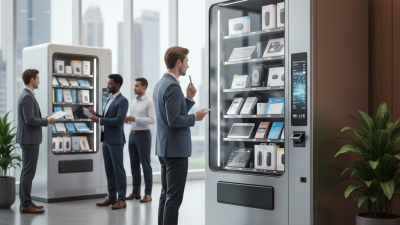
What Are the Best Vending Locations in China?
Choosing the best vending locations in China requires more than counting daily pedestrians. It demands careful observation, local knowledge, and reliable sales testing. A busy street may look attractive, yet shoppers could pass quickly without stopping. In practice, transit stations, office parks, university areas, hospitals, residential compounds, and shopping centers often offer different opportunities. Each location serves a distinct routine. Commuters may prefer bottled drinks and quick snacks, while office workers may seek coffee, water, or simple meals during short breaks. Placement matters too. A machine beside an elevator, entrance, waiting area, or covered walkway may perform better than one hidden near a remote corner.
China is not one uniform market. Consumer habits, climate, rent levels, property rules, and payment preferences vary between cities and districts. A strong location strategy should compare foot traffic with dwell time, visibility, lighting, security, and replenishment access. Operators should also confirm permissions with property managers and follow applicable local regulations. Small pilots can reveal more than optimistic forecasts. Track sales by hour, product category, weather, and weekday patterns. Then adjust carefully. Some assumptions will be wrong. That is normal, but ignoring the evidence is costly. Reliable vending locations are built through measured testing, clear operating standards, and respect for the people who use the site. The best choice is rarely the loudest place; it is the location where convenience fits naturally into daily life.
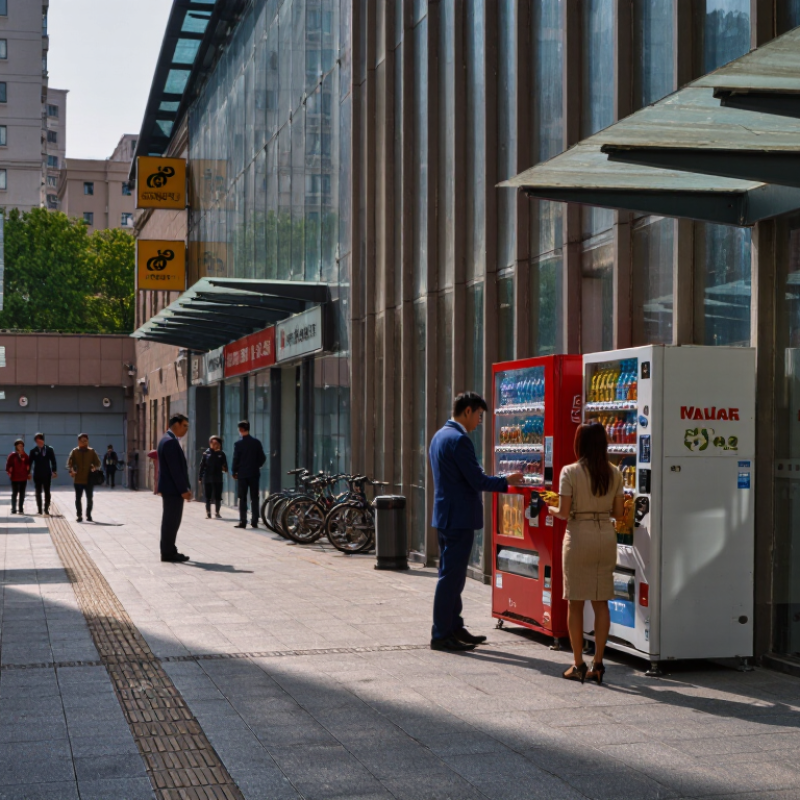
Understanding China’s Vending Market and Consumer Demand
China’s vending market is no longer just a machine-and-snack business. Location quality depends on routines, payment habits, and product urgency. CNNIC’s 53rd Statistical Report recorded 969 million online-payment users by December 2023. That figure supports cashless vending, but it does not guarantee sales. Customers still need a reason to stop.
The strongest sites usually combine waiting time with predictable foot traffic. Metro interchanges, office towers, university dormitories, hospitals, factories, and residential compounds fit this pattern. The National Bureau of Statistics reported 47.15 trillion yuan in consumer-goods retail sales in 2023. Yet broad retail growth can hide weak micro-locations. A machine beside a quiet corridor may look promising on a map and fail after two weeks. Observe queues, shade, lighting, security, and walking direction during breakfast, lunch, and late evening.
Demand should shape the assortment. Office workers often want coffee, water, and quick breakfast items. Students may prefer affordable drinks and compact snacks. Hospitals require clear labeling and careful hygiene. NBS reported 48.79 trillion yuan in retail sales during 2024, showing continued consumption, not automatic vending demand. I would test one location for four to six weeks, then remove slow products. That sounds obvious. It is often ignored. Weather, examinations, visiting hours, and construction can distort results. Reliable decisions need repeated observations and transaction data.
Evaluating High-Potential Vending Locations in China
Evaluating vending locations in China requires more than counting pedestrians. Urban density matters, but dwell time and purchase urgency matter more. The National Bureau of Statistics reported that China’s urbanization rate reached 67.00% in 2024. This supports demand in residential communities, transport hubs, hospitals, campuses, and office clusters. Yet a busy street can still produce weak sales if shoppers leave quickly.
Digital payment readiness is another practical filter. The China Internet Network Information Center reported 1.108 billion internet users by December 2024, with online payment users exceeding one billion. A machine near subway exits, factory dormitories, or university libraries can serve users within seconds. Look for waiting time, shade, lighting, and clear sightlines. A two-minute queue may be more valuable than a crowded passage.
Industry research adds caution. iiMedia Research’s recent unmanned retail reports identify beverages, snacks, and daily necessities as core vending categories, but performance differs sharply by site. Rent, electricity, security, and replenishment distance can erase attractive revenue. I would test one location for eight to twelve weeks, measuring hourly transactions, product mix, stockouts, and nearby alternatives. The method is not perfect. Weather, exams, holidays, and construction can distort results. A small pilot still beats relying on a landlord’s estimated footfall. Places with stable routines usually deserve closer evaluation than places that merely look crowded.
Comparing Urban, Transit, Workplace, and Educational Sites
What Are the Best Vending Locations in China?
Location performance in China depends on more than daily pedestrian numbers. Urban streets offer visibility, but outdoor machines face heat, rain, dust, and uneven evening traffic. A station entrance can attract thousands of commuters, yet short dwell times may limit purchases. Field checks should measure traffic, waiting time, nearby stores, lighting, and machine access.
Transit sites often perform well when passengers wait for trains or buses. Underground stations provide stable conditions, but placement approvals can be strict. Urban office districts create strong demand for coffee, water, and quick snacks during work breaks. Demand may fall sharply on weekends. I once assumed a busy business tower would deliver steady sales. That was wrong.
Workplace sites usually need fewer machines, but they can offer repeat customers. Building managers also expect quiet operation, clean maintenance, and clear restocking schedules. Educational sites may provide reliable daytime traffic, especially near libraries and dormitories. However, product selection should match age, nutrition policies, and school requirements. Access can also change during holidays and examinations.
A practical comparison should track sales by hour, not just daily totals. Record stockouts, refunds, temperature issues, and failed payments. Small details matter. A machine beside an elevator may outperform one near a main door because people pause there. The best location is often less obvious. It may also need relocation after three months of real data.
Matching Products to Location-Specific Buying Habits
What Are the Best Vending Locations in China?
Matching Products to Location-Specific Buying Habits
Vending success in China depends less on machine visibility and more on daily routines. A busy office lobby suits bottled water, unsweetened tea, coffee, and small breakfast items. Workers often buy quickly before meetings, so clear prices and fast payment matter. Product temperature also influences trust, especially during humid summer months.
University buildings attract different habits. Students may prefer milk drinks, fruit snacks, instant meals, and affordable desserts. Evening demand can be stronger near libraries and dormitories. In hospitals, shoppers usually need water, tissues, masks, and light nourishment. Products should feel practical, clean, and easy to understand. Near factories, filling foods and electrolyte drinks may perform better during shift changes.
Location research should combine observation with sales records. Watch traffic for several days, not just one afternoon. Ask nearby workers what they cannot buy conveniently. Then test a limited product range and adjust weekly. A transport hub may sell well in the morning but poorly after midnight. That matters.
A neat plan can still fail.
Weather, school schedules, and local income levels change buying patterns. Operators should record hourly sales, stockouts, refunds, and unsold products. I would avoid adding premium items before basic demand is proven. One weak assumption can waste valuable shelf space. Reliable placement comes from repeated testing, honest data, and respect for the people using the machine.
Assessing Regulations, Operations, and Location Profitability
China’s best vending location is not automatically the busiest station. Regulation and operating friction often decide profitability. The National Bureau of Statistics reported 48.79 trillion yuan in total retail sales in 2024, up 3.5 percent. It also recorded 13.08 trillion yuan in online physical-goods sales. Demand is strong, but digital competition is stronger. World Bank data places China’s urban population near 66 percent in 2023. Dense communities, hospitals, factories, and campuses can create repeat demand.
Local approval remains essential. Operators should confirm property permission, food-sale requirements, electrical safety, fire access, and waste handling before installation. Rules can differ between districts. Cold-chain products need temperature logs and disciplined replenishment. A 2024 CBRE China retail market report emphasizes convenience and tenant productivity in location decisions. Test each site carefully: count pedestrians, observe dwell time, and record nearby purchase occasions for seven days. A quiet hospital corridor may outperform a crowded entrance. It has steadier demand.
Profitability depends on net contribution, not gross sales. Track daily transactions, average ticket, spoilage, payment fees, rent, electricity, repairs, and refill labor. A machine selling 45 items daily at eight yuan produces 10,800 yuan monthly revenue before costs. That sounds promising. It may still fail after rent and waste. Industry convenience-retail surveys frequently identify labor, rent, and same-store efficiency as major pressures. I would pilot three contrasting sites for 60 days, then remove the weakest location. My caution is simple: footfall estimates are often optimistic. Weather, school holidays, and access restrictions distort early results.