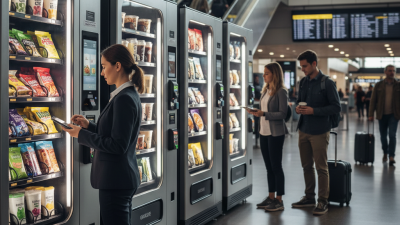
China Top Vending Options for Global Buyers?
China has become a practical sourcing base for modern vending equipment. Its factories offer compact snack machines, refrigerated units, coffee systems, and intelligent retail kiosks. However, a low factory price does not automatically create a reliable investment.
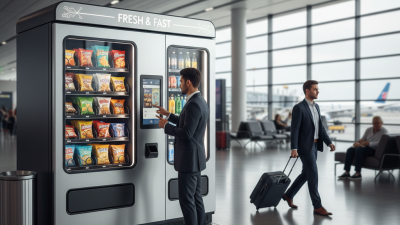
Carla Balakgie, former President and CEO of the National Automatic Merchandising Association, said, “Technology is changing the way consumers interact with vending.” Her observation remains useful for global buyers. Today, vending options may include touchscreen ordering, cashless payment, remote inventory alerts, temperature monitoring, and multilingual software. These features matter when a machine operates in a busy airport, university, factory, or residential lobby.
A serious comparison should examine cabinet materials, cooling performance, payment compatibility, software access, warranty response, and spare-part availability. Ask for videos of real machines, not only polished showroom images. Request test reports and a clear list of supported payment systems. Check whether the controller can connect with your local network.
Details reveal quality. A strong door hinge, stable refrigeration, and readable instructions can prevent daily frustration. Product selection also matters. A machine filled with chocolate may perform poorly beside a hot train platform.
There is room for doubt. Some suppliers describe every model as “smart,” although the software may be basic. Buyers should test the system before placing a large order.
The best vending options balance price, durability, compliance, and service. Global buyers should also confirm electrical standards, labeling requirements, import documentation, and local consumer-protection rules. This approach is less exciting than chasing the cheapest quote, but it is usually safer and more sustainable.
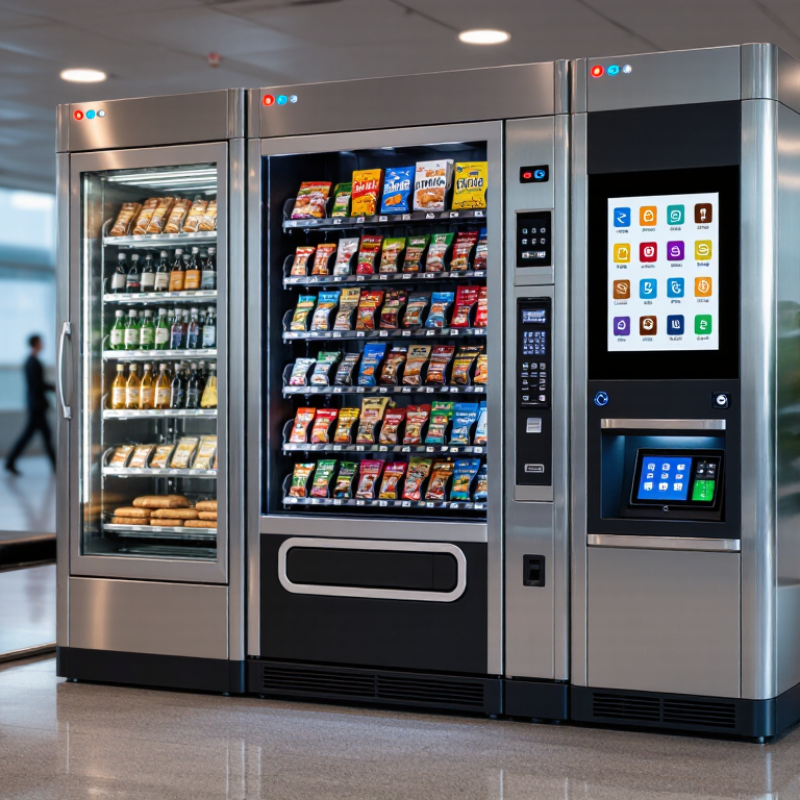
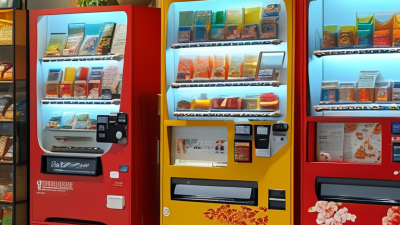
China’s vending machine industry has moved beyond simple snack dispensers. Manufacturers now offer models for drinks, fresh food, personal care products, and mixed retail environments. This wider range supports China’s strong position in the global vending market. High domestic demand encourages faster testing, practical design changes, and competitive production costs. Global buyers can also find machines with cashless payment, remote monitoring, temperature control, and energy-saving functions.
Tips: Match each machine with the product, climate, and service plan. Check electrical standards, payment compatibility, language settings, and spare-parts availability before ordering. Ask for test records and installation guidance. A low purchase price can become expensive when local technicians cannot repair a failed cooling unit.
China’s advantage is not only manufacturing scale. It also comes from an integrated supply chain for screens, cabinets, refrigeration parts, software, and logistics. Practical sourcing experience shows that factories are not equally reliable. Factory audits, sample testing, warranty terms, and clear acceptance standards matter. Request photos of internal wiring and software demonstrations. Visit the production line when possible.
The market is promising. It is not effortless. Some systems may need local payment integration or stronger weather protection. Product assumptions can also fail in unfamiliar cities. A small pilot often reveals more than a large first order.
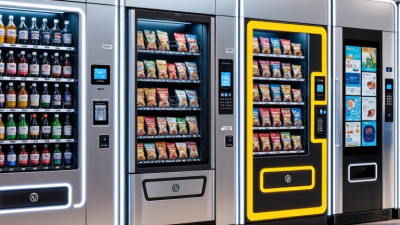
China-made vending machines now cover more than snacks and bottled drinks. Snack and beverage machines suit offices, schools, stations, and apartment buildings. They usually include adjustable shelves, cashless payment, cooling, and remote inventory monitoring. Fresh-food machines add stronger temperature control for meals, fruit, or dairy products. Their internal layout needs careful testing because packaging sizes vary widely.
Coffee vending machines focus on heating speed, water filtration, and ingredient storage. They work well in workplaces, hospitals, and transport hubs with steady foot traffic. Some suppliers also produce ice cream machines, flower dispensers, and smart parcel lockers. These options show the value of factory customization, but customization can increase maintenance demands.
For global buyers, the cabinet is only one part of the purchase. Ask for electrical certification, software language options, spare-part lists, and clear warranty terms. A factory sample should run through repeated payment, dispensing, cooling, and door-opening tests. In one practical review, a low-cost screen looked attractive but reacted slowly in bright sunlight. That detail mattered more than expected. Fresh-food models may also require local service partners and strict temperature records. I would not judge a machine by appearance alone. Reliable results depend on testing, documentation, operator training, and realistic site conditions.
Selecting a vending supplier requires more than comparing factory prices. Check machine dimensions, product capacity, cooling range, energy use, and payment compatibility. A reliable supplier should provide test reports, wiring diagrams, and clear operating manuals. Ask whether the unit supports local voltage, plug standards, languages, and cashless payment methods. Small mismatches can delay installation.
Inspect manufacturing quality through photos, video calls, and, where possible, an independent pre-shipment inspection. Examine cabinet thickness, door seals, motor noise, screen brightness, and temperature recovery after frequent openings. Request a sample machine before ordering a container. It costs more upfront. It can expose weak parts early. Do not accept vague certification claims; verify document numbers and market relevance.
After-sales support often determines the real cost. Compare warranty length, spare-part pricing, response times, remote diagnostics, and technician training. Ask for a parts list covering compressors, payment modules, locks, sensors, and screens. Confirm who handles software updates and customs documents. A low quote may exclude installation or replacement freight. That matters. Supplier reviews help, but they should not replace direct evidence. Even experienced buyers can overlook seasonal demand, site accessibility, or vandalism risks. Build a pilot plan with measurable sales and service targets before scaling.
China’s leading vending solutions now serve more than snack sales. They support offices, campuses, hospitals, transit areas, and residential communities. Each setting needs a different machine design. A compact spiral unit suits small offices with steady daily demand. A chilled locker works better for prepared meals and fresh drinks. A heated cabinet can serve boxed food during fixed breaks. The practical choice depends on foot traffic, product size, and local service access.
For global buyers, dependable operation matters as much as appearance. Look for temperature records, remote alerts, cashless payment compatibility, and clear inventory reports. A reliable supplier should provide product drawings, electrical specifications, testing records, and installation guidance. Ask how quickly spare parts can arrive. Ask who handles software updates. These details reduce downtime after delivery. A machine near a factory gate may face dust, rain, and heavy use. Outdoor protection is not optional.
Customization can include cabinet size, language settings, payment methods, branding space, and shelf layout. Yet excessive customization may increase repair difficulty and lead times. A standard platform with limited adjustments is often safer for a first project. Buyers should request a pilot unit before ordering many machines. Check refund handling, accessibility, cleaning routines, and electrical compliance in the destination market. No solution is perfect. A vending plan may fail if product replenishment is ignored. Reliable results come from matching equipment with real purchasing habits, trained operators, and measurable service commitments.
The chart compares typical commercial capacity ranges for major vending formats. Snack, beverage, and combo machines suit high-frequency retail locations, while fresh-food machines support perishable products and smart lockers are designed for secure item collection. Actual capacity depends on machine dimensions, product size, configuration, and local operating requirements.
Choosing a Chinese vending machine for export requires more than comparing prices and screen sizes. Global buyers should verify the machine’s product classification, HS code, electrical ratings, and destination-market documentation before placing an order. A 220V machine may need different wiring, plugs, or certification for another region. Ask for test reports, safety declarations, material details, and a clear commercial invoice. Small paperwork gaps can delay customs clearance for weeks.
Compliance must also cover payment systems, refrigeration, data protection, and accessibility requirements. These rules vary by country and sometimes by city. Confirm whether the payment terminal supports local currencies and approved transaction methods. Check temperature records for chilled units, especially when machines operate in hot outdoor locations. A factory’s export experience helps, but documents should still be reviewed independently. Trust, but verify. One weakness remains common: buyers often inspect appearance closely while overlooking software updates and electrical protection.
After-sales support should be measured before shipment. Request a parts list, wiring diagram, English service manual, and a written warranty with response times. Ask how quickly common parts can arrive, such as compressors, sensors, locks, and touch screens. Remote diagnostics can reduce downtime, but only with stable connectivity and trained staff. A small pilot order may reveal loading problems, payment errors, or weak cooling performance. It costs more initially. It may prevent an expensive fleet-wide mistake. Clear installation training, video guidance, and local technician support can make imported equipment far more reliable.
| Vending Option | Typical Products | Typical Export Price Range (USD, FOB China) |
Recommended Climate / Location | Main Import and Compliance Factors | Payment and Connectivity | After-Sales Requirements | Overall Suitability for Global Buyers |
|---|---|---|---|---|---|---|---|
| Ambient Snack and Beverage Machine | Packaged snacks, bottled drinks, cans, and shelf-stable food | 2,000–5,500 | Indoor sites, offices, schools, transport hubs, and shopping areas | Electrical safety, electromagnetic compatibility, local labeling rules, payment-terminal approvals, and customs classification | Card, QR, cash, MDB or pulse interfaces; 4G, Wi-Fi, or Ethernet options are common | Replacement motors, refrigeration-free parts, control boards, locks, payment modules, and remote fault monitoring | High |
| Refrigerated Food and Beverage Machine | Fresh meals, dairy products, fruit, salads, sandwiches, and chilled drinks | 4,500–10,000 | Air-conditioned indoor locations; outdoor use requires weather protection | Refrigerant requirements, food-contact materials, hygiene controls, temperature records, electrical certification, and local food regulations | Cashless payment, inventory software, temperature alarms, and cloud-based telemetry are recommended | Compressor, fan, sensor, gasket, drain, and temperature-controller support; preventive maintenance is essential | High, with stronger compliance needs |
| Combo Machine | A mixed selection of packaged snacks and beverages in one cabinet | 3,000–7,000 | Offices, hospitals, hotels, apartment buildings, and campuses | Electrical conformity, payment-device approval, product-labeling rules, energy requirements, and import documentation | Multiple payment methods; remote inventory and sales reporting are widely available | Stock spirals, elevators, cooling components, payment readers, and software localization | Very high |
| Fresh Food or Meal Locker | Prepared meals, groceries, meal kits, and temperature-sensitive orders | 6,000–15,000 | Retail entrances, residential communities, offices, and transit facilities | Food-safety procedures, cold-chain controls, temperature logging, consumer data protection, and local electrical approvals | QR, card, app, access code, barcode, and delivery-platform integration may be supported | Door actuators, locks, refrigeration, sensors, software updates, cleaning procedures, and local technical training | Medium to high |
| Personal Care and Hygiene Machine | Sanitary products, travel-size toiletries, masks, and personal-care items | 1,500–4,500 | Public facilities, airports, hotels, universities, and workplaces | Product-specific labeling, medical-product rules where applicable, electrical safety, accessibility, and payment compliance | Cashless payment, compact controllers, and optional remote sales monitoring | Simple mechanical parts, payment readers, locks, product coils, and bilingual operating instructions | High |
| Specialty Product Machine | Electronics accessories, flowers, cosmetics, toys, or other controlled assortments | 2,500–8,000 | Malls, campuses, stations, tourist venues, and high-footfall commercial sites | Rules depend on the merchandise; verify labeling, safety, age restrictions, recycling obligations, and import permits | Card, QR, mobile wallet, barcode, and optional loyalty-system integration | Product-specific dispensing mechanisms, software configuration, spare sensors, and operator training | Medium to high |
| Outdoor Vending Machine | Packaged drinks, snacks, travel essentials, and other weather-tolerant products | 4,000–11,000 | Covered outdoor areas, transport stops, parks, factories, and sports facilities | Ingress protection, electrical safety, energy consumption, local installation rules, vandalism resistance, and temperature limits | 4G, Ethernet, Wi-Fi, card, QR, cash, and remote monitoring are commonly specified | Weatherproof seals, locks, display protection, cooling systems, anti-theft measures, and faster field service | Medium, dependent on site conditions |