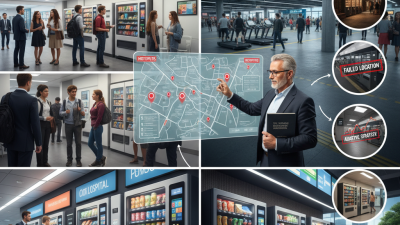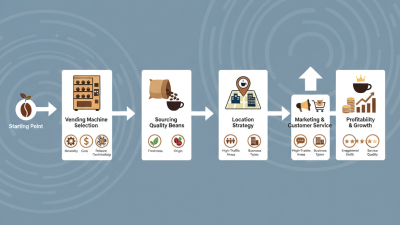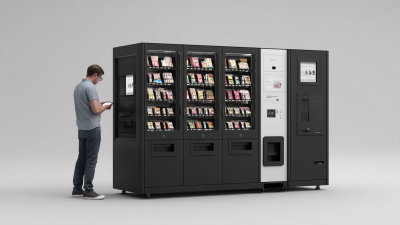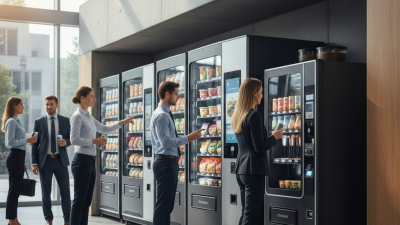
Choosing the best snack machine for your business involves more than comparing prices and attractive designs. The right unit should match your location, customer habits, product range, and daily operating capacity. A busy office may need a compact machine with fresh snacks, cold drinks, and cashless payment options. A school, hotel, or factory may require stronger safety features, clearer product visibility, and easier cleaning access.
Begin by studying the space carefully. Measure doorways, floor width, electrical access, and customer movement. A machine that fits on paper may block a hallway in practice. That detail is easy to miss. Estimate daily traffic, then compare it with the machine’s capacity and restocking needs. Telemetry can show low-stock alerts and sales patterns, but technology alone cannot solve poor product selection. Observe what people actually buy. Healthy items may sound appealing, yet familiar snacks often move faster.
Reliability should guide the final decision. Review the cooling system, energy use, warranty terms, payment security, and local service support. Ask suppliers for maintenance records and references from similar businesses. Test the payment process before installation. Small delays can frustrate customers during a short break. Accessibility and clear pricing also matter for a dependable customer experience.
There is no perfect snack machine. A cheaper model may create higher repair costs later. A premium unit may provide features your location never uses. Careful testing is still worthwhile. Choose a supplier that explains limitations honestly, not one that only promises impressive sales. That practical balance can protect your budget and make the machine a useful part of your business.
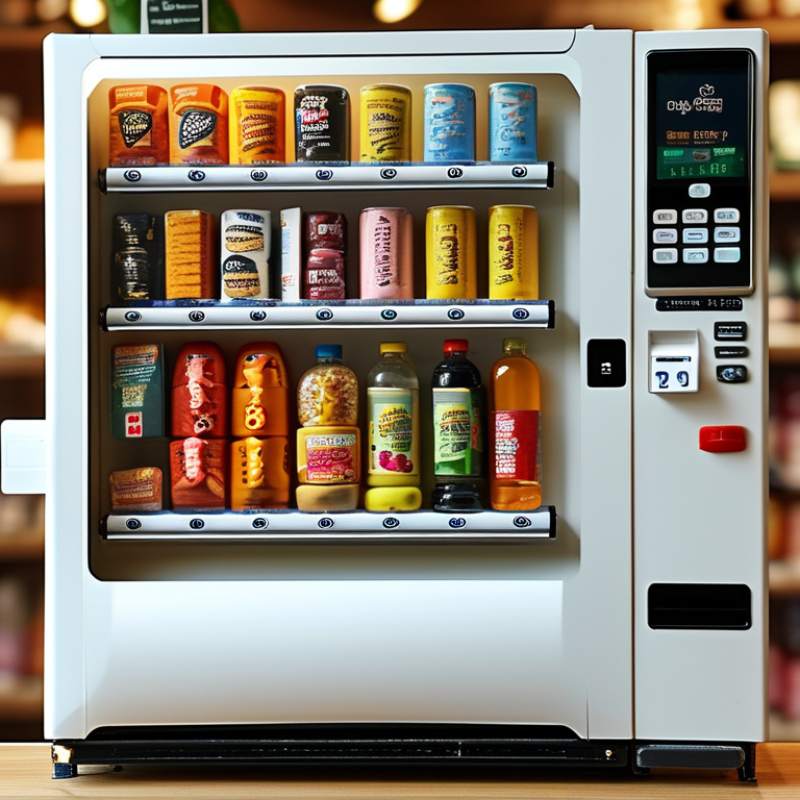
Before choosing a snack machine, define what your business actually needs to sell. A busy warehouse may need 80 items daily, while a small clinic may sell only 15. Count foot traffic during morning, lunch, and evening shifts. Record which snacks employees request, not just what looks popular. Keep it practical. Ask managers about break times, visitor patterns, and nearby food options. These details reveal demand more accurately than guesswork.
Set a realistic sales target for the first three months. Include expected units per day, average price, and acceptable stockout frequency. A machine holding 40 products may fail in a workplace with 120 daily visitors. Product mix matters too. Combine quick-energy snacks, lighter choices, and drinks if customers expect variety. Check package sizes before buying, because oversized items can waste valuable spirals. A common planning error is overfilling sweet snacks while underestimating demand for water.
Your requirements should also cover service routines. Decide who will refill the machine, how often, and where supplies will arrive. Measure the distance from storage to the proposed location. A convenient machine becomes unreliable when restocking takes an hour. Track expiry dates, damaged packaging, payment preferences, and accessibility. Test the layout with real products, if possible. A short pilot may expose weak assumptions. Review sales weekly, because customer habits change with seasons and work schedules. Leave room to adjust.
How to Choose the Best Snack Machine for Your Business?
Compare Snack Machine Types and Key Features
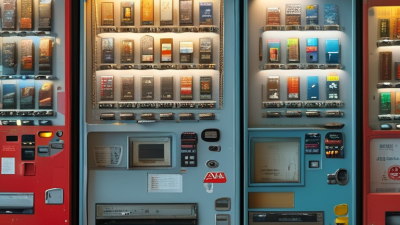
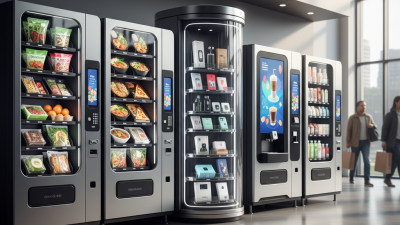
Snack machines are not interchangeable. A coil machine suits packaged snacks, while a glass-front model improves product visibility. A refrigerated machine handles sandwiches, fruit cups, and chilled drinks, but it needs dependable power and regular temperature checks. Combo machines save floor space. They can also create slower product turnover if selections are too broad.
Grand View Research estimated the global vending machine market at approximately $21.8 billion in 2022. Its report also projects strong growth through 2030, driven partly by cashless payments and automated retail. These figures show opportunity, not guaranteed profit. Location still matters more than appearance. Measure foot traffic, peak hours, available power, and customer preferences before choosing equipment.
Payment flexibility deserves careful attention. The National Automatic Merchandising Association’s industry research has documented the rapid expansion of cashless transactions across vending operations. Select machines supporting cards, mobile wallets, sales reporting, and remote inventory alerts. A wide display window helps staff identify empty spirals quickly. Adjustable shelves are useful when package sizes change. I once underestimated service access; a machine placed tightly against a wall became frustrating to refill. That mistake is easy to repeat. Choose durable locks, simple cleaning surfaces, and accessible refrigeration components. Also compare energy use, warranty coverage, and expected repair response times. Fancy screens are optional. Reliable uptime is not.
This typical relative benchmark compares common snack machine types on a 1–5 scale, where 5 represents the strongest performance. Coil machines are generally affordable and energy-efficient, elevator machines provide better product protection, refrigerated machines support temperature-sensitive products, and combo machines offer the broadest product flexibility.
How to Choose the Best Snack Machine for Your Business?
Evaluate Location, Capacity, and Product Compatibility
A snack machine should fit the location, not simply fill an empty corner. Watch customer traffic for several days before choosing equipment. A lobby may need quiet operation, while a busy workshop may require faster dispensing. Keep doors, walkways, and emergency exits clear. Accessibility matters too. A machine placed too high can exclude customers and reduce sales.
Capacity depends on demand, delivery frequency, and product size. In my experience, small offices often waste space with oversized machines. They look impressive but hold slow-moving stock. A compact unit may perform better when restocking happens weekly. Track sales by item and time of day. Leave room for popular snacks, seasonal changes, and a few poor sellers. This part is easy to underestimate.
Product compatibility requires careful checking. Measure package width, height, weight, and shape before ordering. Soft bags can fold or become trapped in narrow spirals. Bottles may need stronger lanes and suitable temperature control. Perishable items also require reliable refrigeration and documented cleaning procedures. Check power requirements, ventilation space, payment options, and service access. Local safety and electrical rules must guide installation.
Test the machine with real products.
Do not trust a brochure alone.
I once focused too heavily on capacity and overlooked refill access. That mistake increased staff time and created unnecessary stock gaps. A short trial with sample products can reveal problems early, although it may not predict every seasonal change.
| Location Profile | Typical Daily Foot Traffic | Estimated Daily Snack Transactions | Recommended Product Capacity | Best Product Compatibility | Suggested Replenishment | Selection Guidance |
|---|---|---|---|---|---|---|
| Small Office 20–80 employees |
40–160 visits | 8–25 | 80–150 items | Wrapped snacks, granola bars, bottled water, canned drinks | 2–3 times weekly | Choose a compact machine with adjustable columns and a balanced mix of low- and mid-priced products. |
| Large Office or Business Park 150–500 employees |
300–1,000 visits | 40–150 | 250–500 items | Snacks, cold beverages, meal bars, fresh items if temperature control is available | Daily or every other day | Prioritize high capacity, cashless payment, remote inventory monitoring, and reliable cooling for beverages. |
| School or Training Center High demand during breaks |
200–1,000 visits | 30–180 | 200–450 items | Water, juice, baked snacks, cereal bars, and portion-controlled products | Daily to 3 times weekly | Check local nutrition rules, age suitability, product labeling, and whether the machine supports smaller package sizes. |
| Hospital or Medical Facility Continuous access required |
500–2,000 visits | 60–250 | 350–700 items | Water, reduced-sugar drinks, healthy snacks, soft foods, and selected fresh products | Daily | Use a durable, easy-to-clean machine with strong temperature control and product expiry monitoring. |
| Transit Hub Short dwell time and peak periods |
1,000–10,000 visits | 100–500 | 500–1,000 items | Single-serve snacks, bottled drinks, energy products, and quick-consumption items | Daily or multiple times daily | Select a fast-dispensing machine with contactless payment, high throughput, and strong security features. |
| Warehouse or Distribution Center Shift-based employee demand |
150–800 visits | 35–180 | 250–600 items | Filling snacks, high-calorie bars, water, coffee, and canned beverages | Daily to 3 times weekly | Choose a reinforced machine with large spirals or conveyors that can handle heavier and varied packages. |
| Hotel or Serviced Residence 24-hour guest convenience |
100–600 visits | 20–120 | 150–400 items | Beverages, confectionery, travel snacks, personal-care essentials, and small convenience items | 2–4 times weekly | Use a quiet, visually appealing machine with flexible shelves and multilingual payment instructions. |
| Gym or Fitness Center Health-focused customer base |
100–500 visits | 20–100 | 150–350 items | Water, electrolyte drinks, protein bars, nuts, and low-sugar snacks | 2–4 times weekly | Select adjustable compartments that fit narrow bars, pouches, bottles, and chilled beverages without excessive empty space. |
Planning note: Transaction estimates assume approximately 1%–3% of daily visitors make a purchase. Actual results depend on pricing, product mix, operating hours, visibility, payment options, and local regulations.
A snack machine should match how your customers actually pay. In a busy office, contactless cards and mobile wallets can reduce queues. Cash acceptance still matters in some locations, but coin mechanisms require regular emptying and inspection. Ask the supplier about transaction fees, refund procedures, payment uptime, and settlement times. I once underestimated these details, and small fees reduced the machine’s real profit.
Maintenance affects both revenue and customer trust. Choose a model with remote diagnostics, clear error codes, and easy access to shelves and payment parts. Staff should check stock levels, clean touchpoints, and inspect the cash area on a fixed schedule. Security also needs practical attention. Use encrypted payment processing, tokenization, strong administrator passwords, and automatic software updates. Place the machine in a visible, well-lit area. No system is perfect.
Profit begins with realistic numbers, not the machine’s display price. Grand View Research valued the global vending machine market at approximately $21 billion in 2023. That growth looks attractive, but local foot traffic matters more. Count potential customers for several weekdays. A quiet office lobby may produce fewer sales than a smaller, busy workshop.
Calculate the monthly break-even point carefully. Add the machine price, delivery, installation, electricity, payment fees, maintenance, insurance, and product waste. Then estimate gross profit per item.
For example, selling 500 snacks monthly at $2.50, with a 40% product cost, creates $750 before operating expenses. If total monthly expenses reach $430, estimated operating profit falls to $320.
The calculation is simple. Reality is messier. Stock may expire.
Payment design also affects long-term value. The Federal Reserve’s 2024 Diary of Consumer Payment Choice reported that cash represented 16% of consumer payments in 2023, while cards remained dominant. A cashless reader can therefore protect sales, but transaction fees reduce every purchase’s margin. Compare energy use, repair response times, inventory capacity, and software fees over five years. A cheaper machine may become expensive after repeated service visits. Request written warranty terms and test product capacity during peak periods. I would also reserve a small repair budget, because forecasts rarely include vandalism, seasonal demand, or one unusually slow month.