How to Use a Dispensing Machine Efficiently and Effectively?

Efficient use of a dispensing machine can significantly impact various businesses. This device simplifies the distribution of products, increasing speed and convenience. Ensuring proper handling and maintenance is crucial for its effectiveness.

Understanding key functions of the dispensing machine is essential. Operators must familiarize themselves with loading procedures and product types. Incorrect loading can lead to errors, causing delays and frustration. Regular training and assessments can enhance overall efficiency.

Reflecting on past experiences can guide improvements. Some users might face challenges in volume control or malfunctioning parts. Identifying these issues helps in fine-tuning operations. Adapting procedures over time ensures the dispensing machine serves its purpose effectively.
How to Use a Dispensing Machine Efficiently and Effectively?

Understanding the Basics of Dispensing Machines and Their Functions

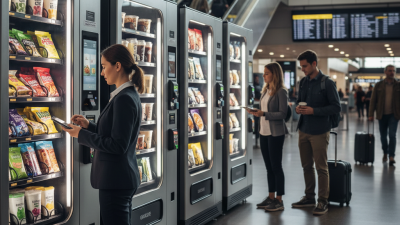
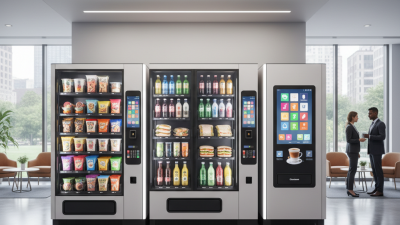
Dispensing machines are useful tools that provide convenience in various settings. They are designed to store and dispense products efficiently. Understanding their basic functions is crucial for effective use. Most machines operate with a simple interface, allowing users to select items easily. They often feature a keypad, touchscreen, or manual levers.

These machines serve different purposes, from snacks to beverages and even hygiene products. Users must familiarize themselves with the product layout. Sometimes items can get stuck or not dispense properly. Recognizing how to troubleshoot these common issues can improve the experience. It's frustrating when you expect a specific product and receive something else, or worse, nothing at all.

Effective usage also involves regular maintenance checks. Machines need to be stocked frequently to avoid disappointment. Observing patterns in usage can help predict when to refill. However, it’s easy to overlook this routine. Reflecting on which products move quickly and ensuring those are available is key. Sometimes, it’s about adaptability; what worked before might not suit current demands.
Key Factors Influencing the Efficiency of Dispensing Machines

Efficiency in using dispensing machines hinges on several key factors. Proper placement is crucial. Machines should be located where foot traffic is high. This maximizes visibility and access for customers. Additionally, user instructions should be clear and concise. Complicated instructions lead to frustration and errors. A well-designed user interface can enhance the interaction experience.

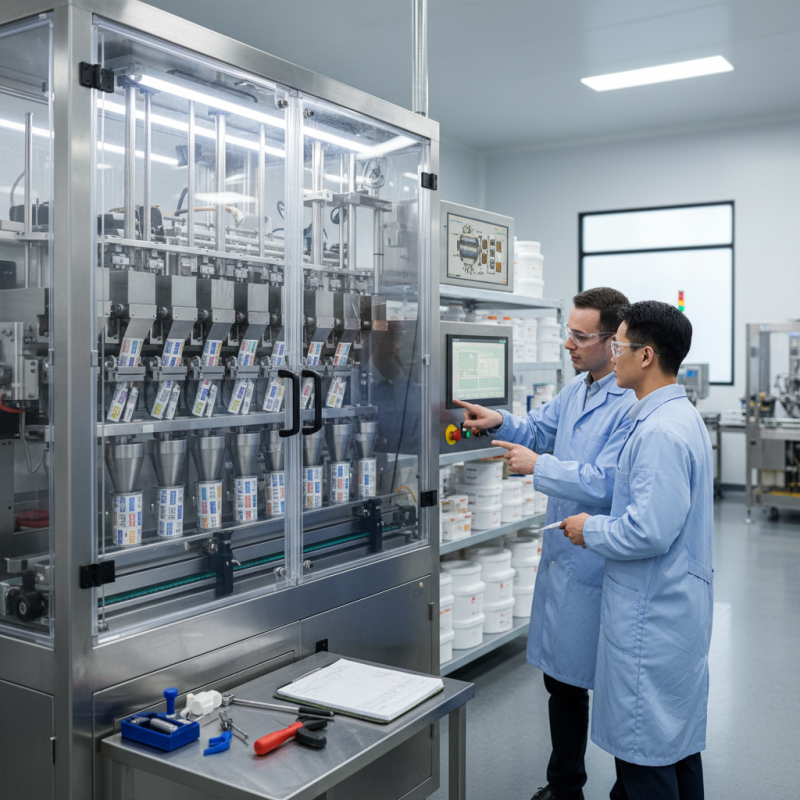
Another critical factor is maintenance. Regular checks can prevent breakdowns. Not all users report issues promptly, which can lead to longer downtimes. Cleaning the machine improves hygiene and keeps it functioning smoothly. Staff training is essential. Employees should know how to handle minor issues and assist customers efficiently. Without adequate training, problems can escalate, frustrating users.

Lastly, inventory management plays a significant role. Stock levels must be monitored closely. Running out of popular items can drive customers away. However, overstocking can also create waste. Balance is necessary. Continuous review of sales data can help in making informed decisions. Reflecting on these areas can lead to improved operations over time.

How to Use a Dispensing Machine Efficiently and Effectively?

Key Factors Description Impact on Efficiency Best Practices
Machine Calibration Ensuring the machine is regularly calibrated for accuracy. High Schedule quarterly calibrations.
Staff Training Training staff on proper machine use and troubleshooting. Medium Conduct bi-annual training sessions.
Maintenance Schedule Regular maintenance checks to prevent breakdowns. High Implement a monthly maintenance checklist.
Product Quality Using high-quality materials to ensure smooth dispensing. High Source from reputable suppliers.
User Interface A clear and intuitive user interface improves usability. Medium Regularly update the interface based on user feedback.

Best Practices for Operating Dispensing Machines for Optimal Performance

Efficient operation of dispensing machines is crucial for any business. According to a report by the International Society of Automation, proper machine setup can boost productivity by up to 25%. This underscores the need for regular maintenance. Ensure daily checks of the loading mechanisms. Jammed parts can lead to downtime.

User training plays a significant role in performance. Studies show that well-trained staff can reduce operational errors by 30%. Staff should know how to handle common issues. For instance, understanding error codes can prevent unnecessary service calls. Clear instructions displayed by the machine can also help users troubleshoot basic issues.

Monitoring usage patterns helps identify problems early. A report cited that 40% of inefficiencies stem from underutilized equipment. Keeping logs of machine usage can provide insights. It encourages reflection on operational strategies. Regular reviews can help businesses adapt and optimize their processes.

Common Issues in Dispensing Machine Usage and Their Solutions

How to Use a Dispensing Machine Efficiently and Effectively?

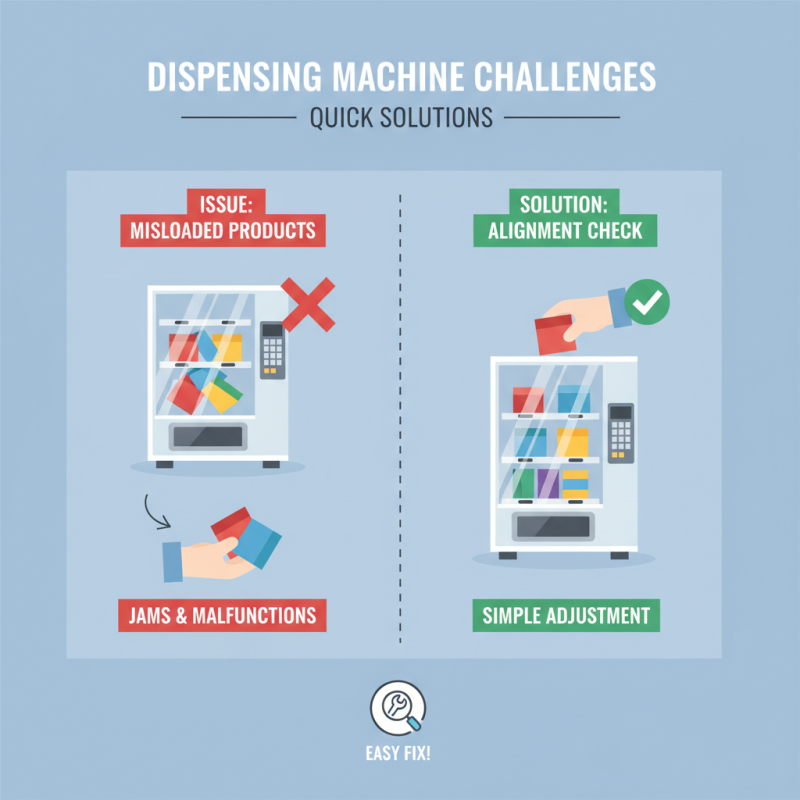
Using a dispensing machine can be straightforward, but it often comes with challenges. One common issue is misloaded products. When items are not loaded correctly, it can lead to jams. Users must check if the items are aligned well. Sometimes, a simple adjustment is all it takes to solve the problem.

Another issue is the machine's payment acceptance. If a customer experiences problems with their card or cash, frustration might ensue. It’s a good idea to have a backup payment method ready. Machine downtime because of payment failures can lead to lost sales. Regular maintenance checks can help prevent these interruptions.

User errors also play a significant role in operation. Sometimes, people don’t follow the instructions clearly. They may press the wrong buttons or take the wrong items. Clear signage and periodic reminders can help reinforce correct usage. Reflecting on these mistakes can lead to a smoother experience in the long run.

Measuring Success: Metrics to Evaluate Dispensing Machine Efficiency

Measuring the success of a dispensing machine involves several key metrics. One crucial indicator is the dispense rate. This measures how quickly products are dispensed within a given time frame. A low dispense rate can signal issues. Perhaps the machine needs maintenance or is not correctly stocked.

Another essential metric is the error rate. This tracks how often the machine dispenses the wrong item. A high error rate leads to customer dissatisfaction. Users might receive a product they did not order. Tracking mistakes helps identify problems. Are operators trained correctly? Is the interface user-friendly?

Customer feedback is vital. Gathering insights from users can highlight what isn’t working. Some users may struggle with the machine's setup. Others might find it challenging to locate products. Analyzing this feedback can reveal areas for improvement. A simple survey could yield helpful data. This reflection is necessary for enhancing efficiency.