10 Essential Tips for Choosing the Best Vending Machine for Your Business
In today's fast-paced business environment, the vending machine industry has experienced significant growth, projecting a market value of over $25 billion by 2026, as reported by IBISWorld. This growth is fueled by evolving consumer preferences for convenience and healthy options. As a business owner, selecting the right vending machine is a crucial decision that can impact customer satisfaction and revenue generation.
Choosing the best vending machine involves considering various factors, including location, product offerings, and machine technology. A well-placed vending machine can not only attract consumers but also enhance their purchasing experience, leading to increased sales. According to a study by Statista, nearly 71% of consumers appreciate the convenience of vending machines, highlighting their potential as a profitable asset for any business.
In this guide, we will explore ten essential tips that will assist you in making an informed decision when selecting a vending machine for your business. Whether you are new to the vending industry or looking to upgrade your existing machines, understanding the key components and trends will empower you to capitalize on this lucrative market opportunity effectively.
Understanding Your Target Market for Vending Machine Selection
Understanding your target market is crucial when selecting the right vending machine for your business. The commercial vending industry is thriving, with a projected global market value of $25.25 billion by 2025, indicating a robust opportunity for entrepreneurs. Knowing who your customers are can help tailor your product offerings to meet their preferences. For instance, if you're operating in a fitness-centric environment, consider stocking healthy snacks and beverages to align with the interests of health-conscious consumers.
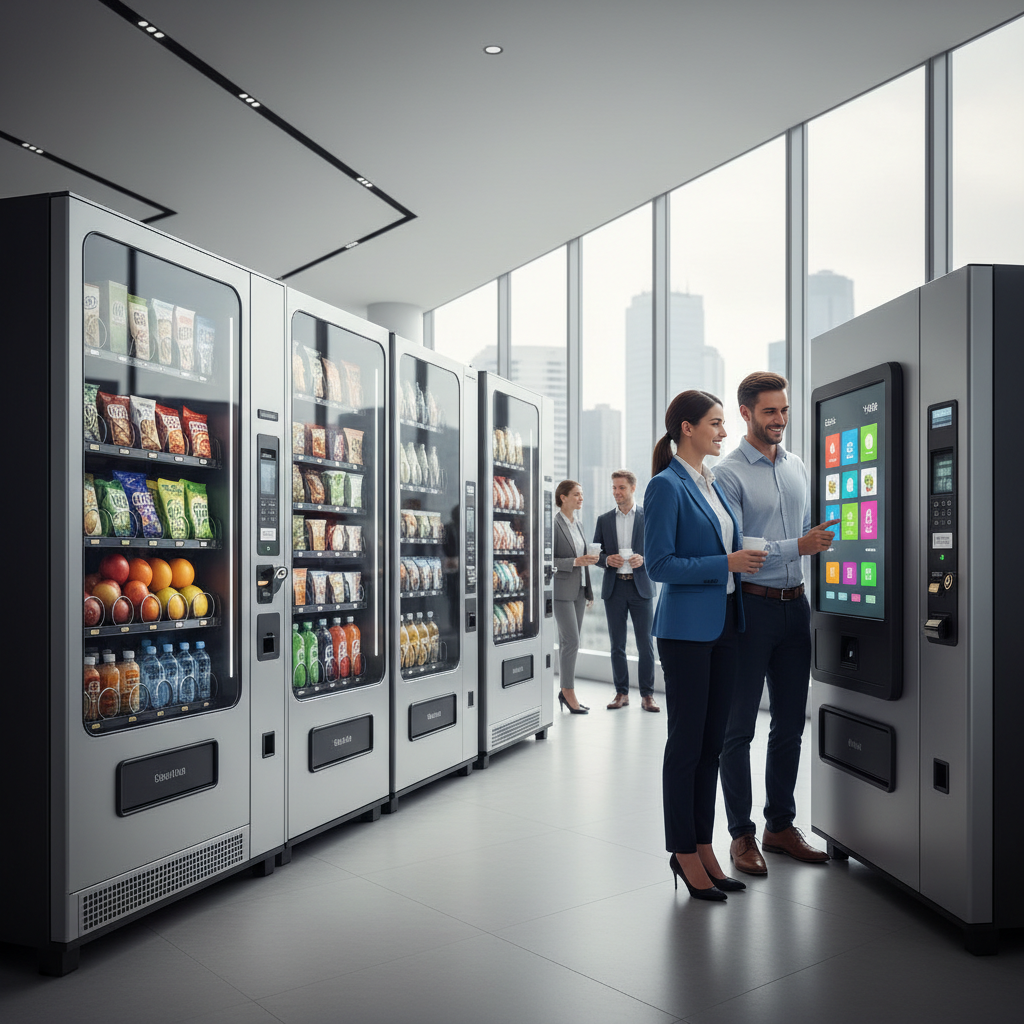
When exploring essential tips for choosing a vending machine, it's important to focus on factors that cater to your audience. Start by identifying high-traffic locations that align with your target demographic. Additionally, consider the machine's capabilities—whether it offers healthy options, traditional snacks, or even fresh foods, having a diverse selection can attract a wider customer base.
Another key factor is technology integration. Modern vending machines equipped with cashless payment options and user-friendly interfaces can significantly enhance customer experience. As the marketplace continues to evolve, ensuring that your vending service aligns with consumer trends and preferences will not only boost sales but also ensure long-term success in this expanding sector.
Key Considerations for Space and Location of Your Vending Machine
When selecting a vending machine for your business, the space and location are critical factors that significantly influence its success. Firstly, you need to assess the dimensions and layout of the area where the machine will be installed. Ensure that there is enough room for customers to access the machine comfortably without obstructing foot traffic. A well-placed vending machine should be in a visible area that draws attention and encourages impulse purchases.
Additionally, consider the target audience and their needs when determining the location for your vending machine. Placing it in high-traffic areas, such as break rooms in office buildings, gyms, or schools, can maximize sales potential. Understanding the preferences of the demographics frequenting the location will help in selecting the right products to stock in the machine. For instance, health-conscious locations may benefit from wholesome snack options, while places with a younger crowd might require a focus on trendy snacks and beverages. Careful consideration of both space and audience will enhance the vending machine's effectiveness as a profit-generating asset for your business.
Evaluating Product Variety and Supply for Maximum Sales Potential
When selecting a vending machine for your business, evaluating the product variety and supply is crucial for maximizing sales potential. According to a report by IBISWorld, the vending machine industry is projected to reach $26 billion in revenue by 2024, highlighting the growing demand for diverse product offerings. Businesses that offer personalized or niche products often experience higher turnover rates. For example, machines that provide healthy snacks or local specialties are increasingly popular, with a 2020 study indicating a 20% rise in sales for healthy vending options compared to traditional snacks.
Additionally, ensuring a consistent supply of products is key to maintaining customer interest and loyalty. The National Automatic Merchandising Association (NAMA) reported that 71% of consumers prefer vending machines that are regularly stocked and well-maintained. Implementing a robust inventory management system not only helps in tracking sales trends but also reduces instances of stockouts, which can adversely affect potential sales. By focusing on a strategic mix of popular, healthy, and locally-sourced products, business owners can enhance their vending machine offerings and tap into the growing consumer preference for variety and quality.
Product Variety Assessment for Vending Machines
Assessing Maintenance and Service Needs for Your Vending Machines
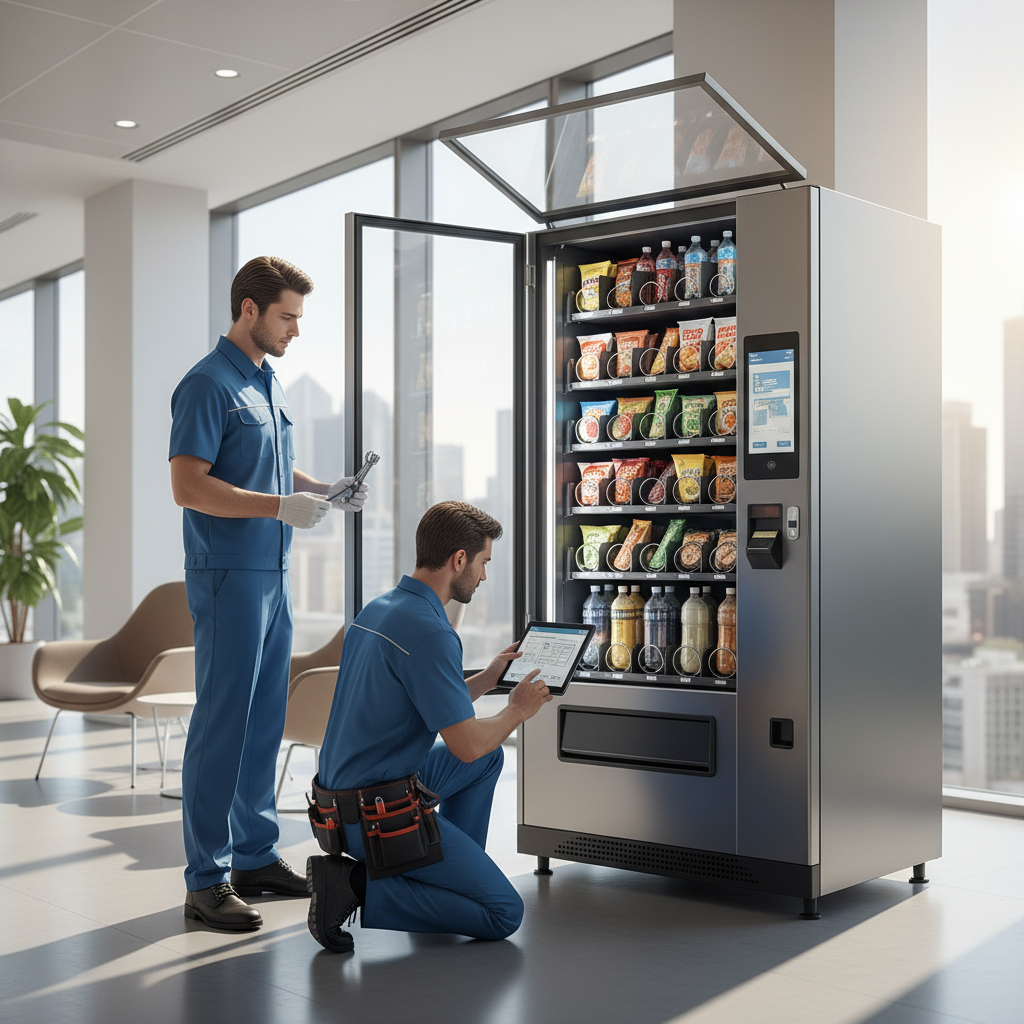
When selecting the ideal vending machine for your business, assessing maintenance and service needs is crucial. According to a report by IBISWorld, the vending machine rental industry has shown an annual growth rate of 3.2% over the past five years, indicating a growing demand for reliable service and maintenance. A machine that is frequently out of order can lead to lost sales and dissatisfied customers. Thus, choosing a vending machine that offers easy access for maintenance and a responsive service team can drastically impact your bottom line.
Furthermore, it's essential to consider the availability of spare parts and technical support when selecting a vending machine. The National Automatic Merchandising Association (NAMA) emphasizes that machines with easily replaceable components tend to have higher uptime, ensuring that you can maximize your revenue potential. Many businesses have reported increased customer satisfaction and loyalty after investing in machines that are supported by robust maintenance services, which can significantly contribute to long-term success. As you navigate the options available, prioritize machines that provide both convenience in maintenance and reliable service to create a seamless vending experience for your customers.
Budgeting for Purchase, Operation, and Potential Profit Margins
When considering the purchase of a vending machine for your business, budgeting plays a vital role in determining not only the initial investment but also the ongoing operational costs and potential profit margins. According to the National Automatic Merchandising Association (NAMA), the average cost of a vending machine ranges from $1,500 to $3,000, depending on the type and features. This initial outlay must be weighed against the expected return on investment (ROI), which for a typical vending machine is reported to be between 20% to 30%.
Operational costs further influence your budgeting strategy. These include regular maintenance, restocking inventory, and utilities, which can account for up to 20% of total operating expenses. In a recent survey by VendingMarketWatch, over 60% of vending operators reported that product selection and pricing are critical in maximizing profitability. Therefore, it’s essential to analyze product margins, remembering that snack items generally yield a higher profit margin compared to beverages. By meticulously planning both the upfront purchase and ongoing costs, you can establish a robust financial framework that supports your vending business’s growth.
10 Essential Tips for Choosing the Best Vending Machine for Your Business - Budgeting for Purchase, Operation, and Potential Profit Margins
| Tip No. |
Tip Description |
Estimated Purchase Cost ($) |
Monthly Operating Cost ($) |
Potential Monthly Profit Margin (%) |
| 1 |
Assess location traffic |
2,000 |
150 |
25 |
| 2 |
Select high-demand products |
1,500 |
120 |
30 |
| 3 |
Consider machine type (snack/drink) |
2,500 |
200 |
20 |
| 4 |
Evaluate machine features (cashless, touch screen) |
3,000 |
250 |
28 |
| 5 |
Research vendor/supplier options |
1,800 |
130 |
26 |
| 6 |
Understand maintenance requirements |
2,200 |
180 |
22 |
| 7 |
Analyze competitor offerings |
2,800 |
210 |
24 |
| 8 |
Check warranty and support options |
3,500 |
300 |
18 |
| 9 |
Consider energy efficiency |
2,900 |
160 |
27 |
| 10 |
Plan for product restocking |
1,700 |
140 |
29 |