What is Snack Vending and How Does It Work?
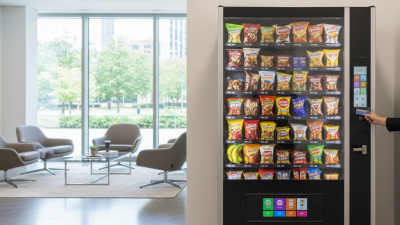
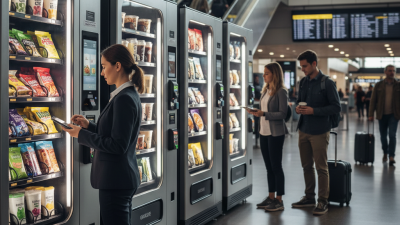
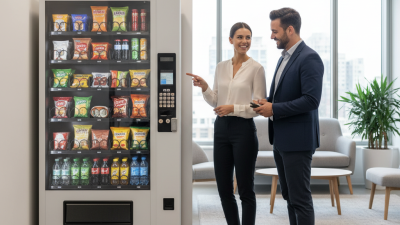
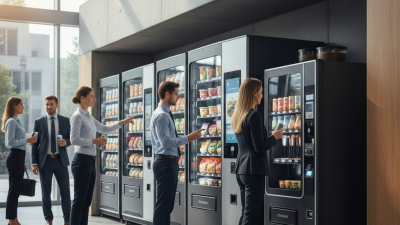
Snack vending has become a popular solution for satisfying cravings on the go. These machines offer a variety of snacks, from chips and candy to healthy options like nuts and granola bars. The convenience of snack vending is appealing to many people, especially in busy settings like schools and offices.
Understanding how snack vending works can help users appreciate this innovative service. It typically involves a machine filled with snacks that can be accessed with a simple payment. The ease of use makes it a go-to choice for quick bites. However, there are challenges to consider. Vending machines may run out of popular items and sometimes malfunction. Such issues remind us that even convenient solutions can have drawbacks.
While snack vending aims to provide easy access to food, choosing more nutritious options is essential. Users should reflect on their choices and consider healthier snacks. Ultimately, snack vending serves its purpose, but it’s worth examining what we consume.
What is Snack Vending? An Overview of Its Definition and Purpose
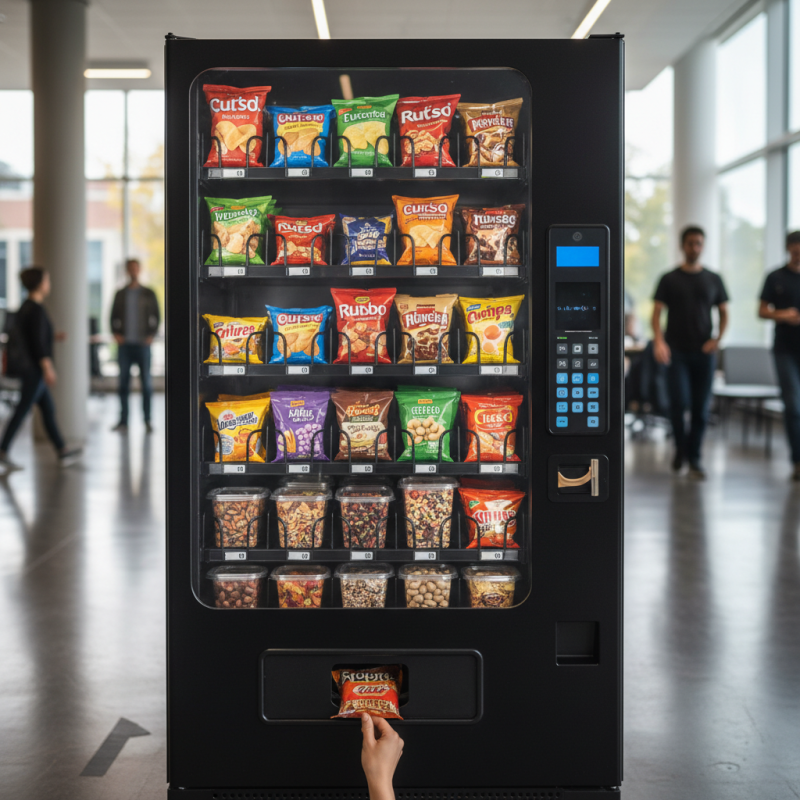
Snack vending has evolved into a significant aspect of convenience retailing. The concept is simple: provide quick access to snacks in various locations. According to industry reports, the global vending machine market is projected to reach $25 billion by 2026, reflecting a growing demand for instant snack options.
Snack vending machines cater to various preferences. They offer a wide range of products, from healthy snacks to indulgent treats. The rise of healthier snack options, like protein bars and dried fruits, indicates a shift in consumer preferences. Reports show that 66% of consumers are trying to eat healthier snacks, prompting vendors to adapt.
Yet, not all snack vending ventures thrive. Poor machine placement can lead to low sales. Additionally, maintaining inventory is a challenge. Outdated snacks can turn customers away. Regular updates and effective marketing strategies remain crucial for success. The industry must constantly assess consumer trends and adjust offerings.
What is Snack Vending and How Does It Work? - An Overview of Its Definition and Purpose
| Snack Type |
Categories |
Average Price |
Calories |
Target Market |
| Chips |
Salty Snacks |
$1.50 |
150 |
All Ages |
| Candy Bars |
Sweets |
$1.00 |
200 |
Children & Teens |
| Nuts |
Healthy Snacks |
$2.00 |
170 |
Adults |
| Granola Bars |
Nutritious Snacks |
$1.75 |
150 |
Health-conscious Consumers |
| Cookies |
Sweet Snacks |
$1.50 |
120 |
All Ages |
The Evolution of Snack Vending Machines: A Historical Perspective
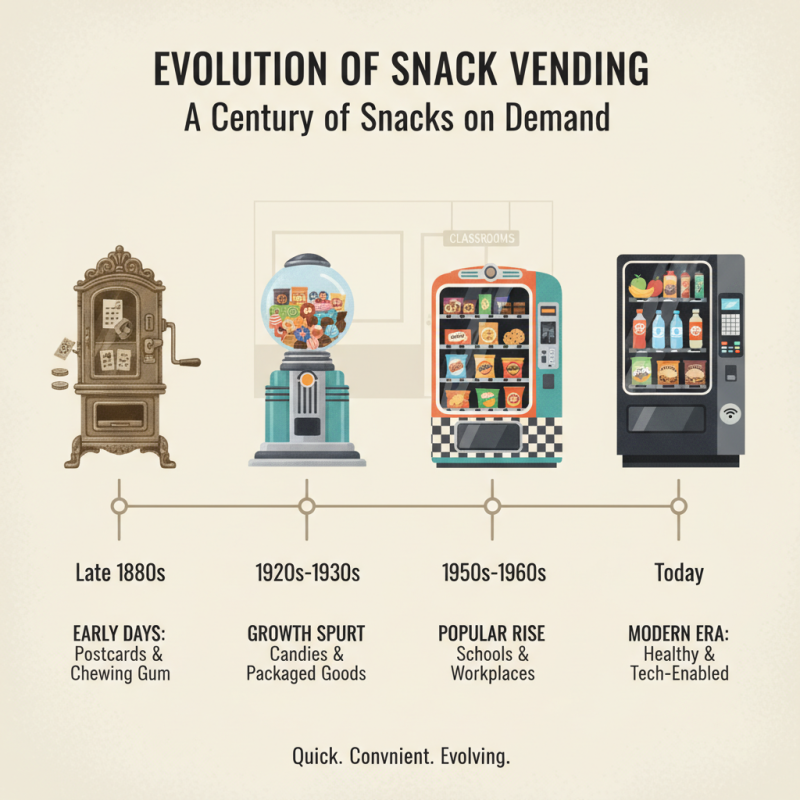
Snack vending machines have a rich history that reflects societal changes and technological advancements. The earliest machines emerged in the late 19th century. They dispensed simple items like postcards and chewing gum. Over time, their popularity grew, and they began to offer a wider range of snacks. By the 1950s, vending machines became common in schools and workplaces, providing quick access to convenient food options.
The design of these machines has evolved significantly. Initially, they were mechanical and required coins to operate. Now, many machines accept digital payments. Some even have touch screens for easy selection. However, not all vending machine experiences are satisfying. Sometimes, the snacks are stale or the machines malfunction. This leaves customers frustrated and questioning the convenience they once offered. While technology has improved the experience, there are still areas needing refinement. Regular maintenance and quality checks are necessary to enhance user satisfaction.
How Snack Vending Machines Work: The Technology Behind the Convenience
Snack vending machines are a staple in many public spaces. Their technology allows for quick and easy access to snacks. When you insert money, the machine scans the selection for your choice. It's fascinating how a simple press on a button triggers a complex process.
The heart of a vending machine is its internal mechanism. Once you make a selection, motors activate to deliver your snack. The machine uses sensors to detect if the item has been dispensed. If it gets stuck, the frustrated end-user must wait for a reset. Sometimes, the snack simply won’t drop, leading to disappointment.
Another interesting aspect is the software behind these machines. Inventory management is key. If a product runs out, the machine must communicate this. Yet, updating the stock can be a challenge for operators. There’s always a risk of stale items.
It's also hard to predict which snacks will be popular. Time and experience matter, yet mistakes can happen. Reflecting on these factors helps improve vending experiences for everyone.
Types of Snacks Available in Vending Machines: A Diverse Selection
Snack vending machines offer a broad range of options for consumers. These machines are increasingly popular in offices, schools, and public places. They cater to different tastes and dietary preferences, providing snacks that appeal to everyone. According to a recent industry report, the global vending machine market is expected to reach $30 billion by 2025. This growth underscores the rising demand for convenient snack options.
The types of snacks available are diverse. Traditional choices include chips, candy bars, and cookies. However, health-conscious options are emerging. Many machines now offer granola bars, nuts, and dried fruits. Snacks that cater to dietary restrictions, such as gluten-free and vegan snacks, are gaining traction. This variety helps vending machines meet the needs of a broader audience. Surprisingly, some snack machines even provide fresh fruits and yogurt.
**Tip:** When stocking a vending machine, consider the location. Are consumers health-focused or do they prefer indulgent treats?
Some machines incorporate technology for customization. Users can create their snack mixes or choose portion sizes. However, these advancements can complicate operation and maintenance. Regular updates and refills are essential to keep up with consumer preferences. Balancing popular snacks with healthier options is necessary yet challenging.
**Tip:** Regularly survey users for feedback. It’s crucial to adapt offerings based on purchasing trends and preferences.
The Future of Snack Vending: Trends and Innovations to Watch
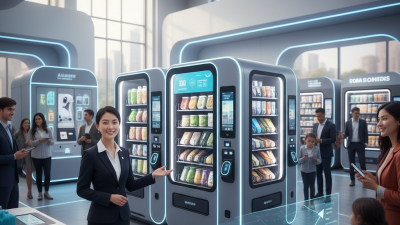
The future of snack vending is evolving rapidly. Innovations are emerging to meet changing consumer demands. Technology plays a key role. Smart vending machines are becoming more common. These allow for cashless payments and real-time inventory tracking. Users can find their favorite snacks with just a tap on their phones.
Sustainability is also a trend worth noting. Many companies are adopting eco-friendly packaging. This appeal to health-conscious customers is growing. There’s a shift toward healthier snack options. Yet, not all machines offer these choices. Some still rely on traditional chips and candies.
Customization is another exciting direction. Some machines allow for personal options. Users can select ingredients or flavors. This feature adds a fun element. However, not every vending machine can offer this flexibility. The industry must adapt to consumer preferences for a better experience. Monitoring these trends is crucial for future success.
Snack Vending Trends Over the Years
This bar chart illustrates the growth of snack vending machines from 2018 to 2022, showcasing the increasing popularity and adoption of vending solutions in various locations. The upward trend indicates a robust future for snack vending innovations.