What is a Snack Vending Machine and How Does It Work?
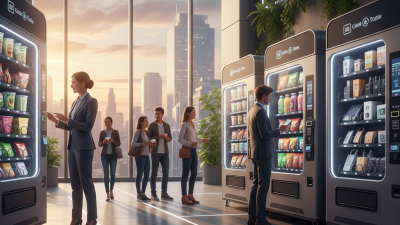
A snack vending machine has become a staple in many public spaces. These machines offer convenience and quick access to snacks. According to Tom Richards, an expert in the vending industry, "The evolution of snack vending machines reflects our changing food choices." His insight highlights how these machines adapt to consumer demands.
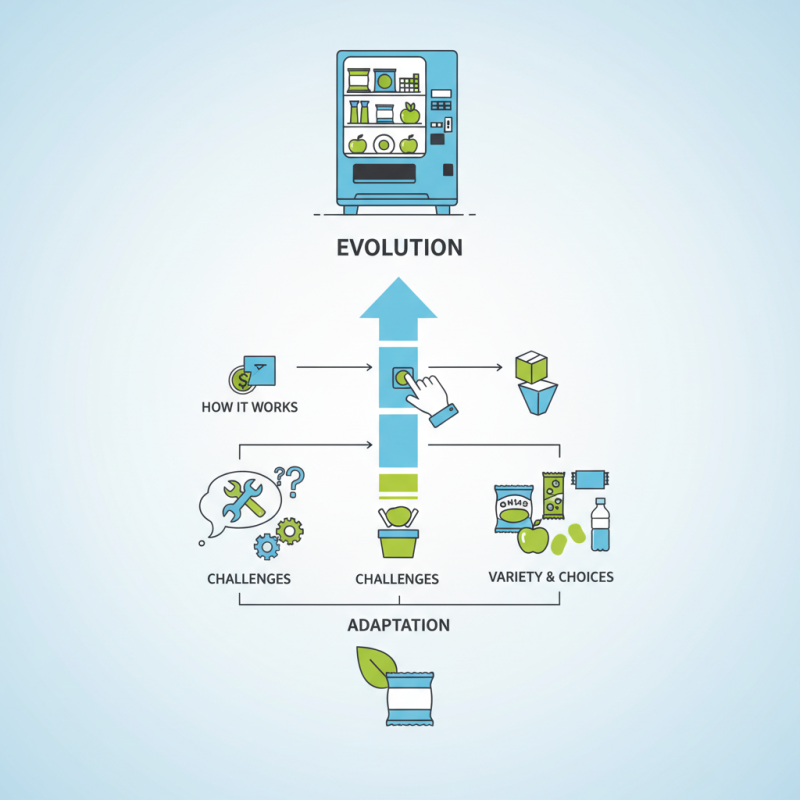
Snack vending machines operate through a simple yet effective mechanism. Users insert money and select their desired snack. The machine then dispenses the item. Despite this straightforward process, many machines face challenges. Stocking issues or technical malfunctions can lead to frustration. Customers often find themselves dealing with unexpected outcomes.
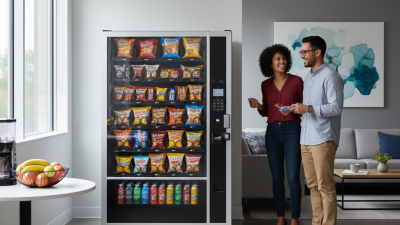
The variety offered by snack vending machines is remarkable. From chips to chocolate bars, the options are vast. However, not all machines cater to dietary preferences. Some may lack healthy choices, which can disappoint health-conscious customers. Reflection on these shortcomings can push the industry forward, improving offerings and customer satisfaction.
What is a Snack Vending Machine?
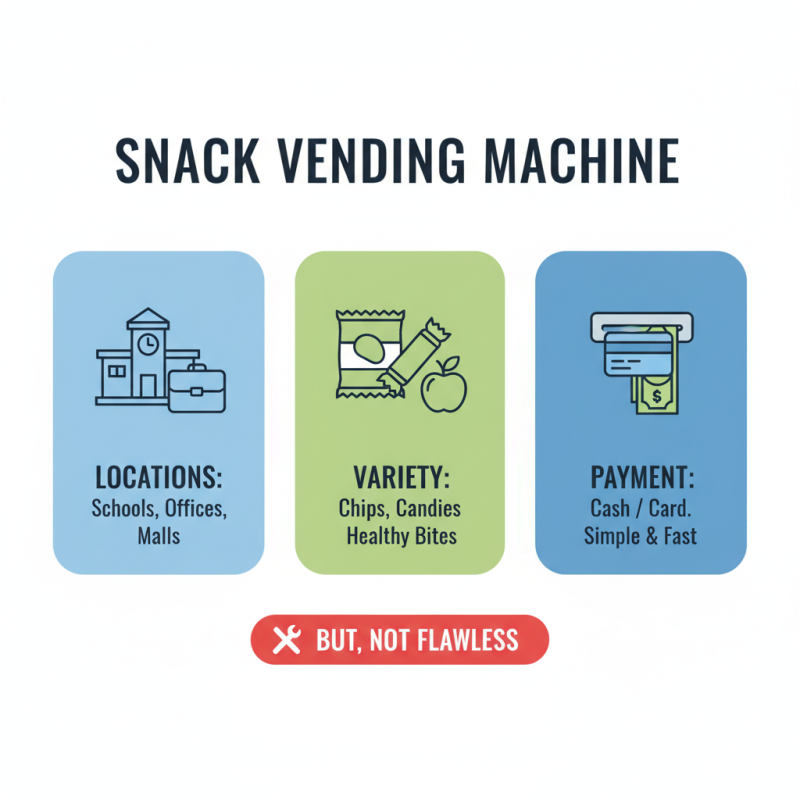
A snack vending machine is a convenient solution for quick bites. It is often found in places like schools, offices, and malls. These machines offer a variety of snacks, from chips to candies, and even healthy options. Users insert cash or swipe cards to purchase items. It’s simple and fast, but not without its flaws.
Sometimes, these machines can malfunction. Obviously, it can be frustrating when a snack gets stuck. Users may find themselves waiting for assistance or losing money. Not every machine is well-stocked. Some might offer outdated snacks or miss popular items. This inconsistency can leave customers feeling disappointed.
Many machines now accept cashless payments. This trend increases convenience, yet it raises concerns about security and technology reliance. Moreover, maintaining these machines is a challenge. They require regular refills and cleaning. Without proper care, they can become unsightly or unappealing. The importance of keeping them in good condition cannot be overstated.
History and Evolution of Snack Vending Machines
Snack vending machines have a long and interesting history. They appeared in the early 1880s. Initially, these machines served simple items like postcards and chewing gum. Over time, they evolved to include a variety of snacks. In the 1950s, manufacturers began to focus on convenience. This led to machines that dispensed candy, chips, and soft drinks.
The technology behind these machines also changed significantly. By the late 20th century, many vending machines were automated. They could accept coins and bills, making transactions easier. Touchscreen interfaces became common, adding a modern twist. With advancements, these machines now offer healthier snack options. But the journey wasn't always smooth. Some machines struggled with technical issues, leading to customer frustration. Additionally, customers sometimes found stale items or inadequate stock. These challenges highlight the need for constant improvement in this industry.
How Snack Vending Machines Function: A Step-by-Step Overview
Snack vending machines are convenient sources of quick bites. They can be found in various locations like schools, offices, and hospitals. Understanding how they function can help users know what to expect.
When you approach a vending machine, the first step is selecting a snack. Users press buttons or use touch screens to choose their desired item. This action triggers the machine's internal system. It identifies the selection and prepares to dispense your snack. The machine uses a series of mechanisms, including coils or conveyor belts that release the item.
Next, payment is required. Most machines accept coins, bills, or cards. However, not all machines accept every payment method. Sometimes, users experience issues. For example, a card might not work, or the item could be stuck. In such cases, users may need to wait for assistance. After payment, the snack is dispensed. It's essential to ensure that what you received matches your selection. Sometimes, vending machines can malfunction. Awareness of these processes can enhance your vending experience.
Common Types of Snack Vending Machines and Their Features
Snack vending machines come in various types, catering to diverse tastes and needs. Some are designed specifically for healthy snacks, offering options like granola bars, nuts, or dried fruits. These machines may have clear labeling, making it easy for health-conscious individuals to choose wisely. Others focus on traditional snacks, such as chips, candy bars, and cookies. This variety allows users to enjoy something sweet or salty based on their cravings.
Another common type is refrigerated vending machines. These machines store perishable items like sandwiches, yogurt, and cold drinks. They maintain a specific temperature, ensuring that the products remain fresh. However, these machines often require more maintenance to handle spoilage. Not all vending machines provide adequate stock rotation, leading to outdated products lingering too long. This can be frustrating for users looking for fresh options.
There are also vending machines that offer customizable snacks. Users can select a base and toppings, tailoring their choice. This personalization enhances user experience but may complicate the machine’s operation. People expect quick service but can get impatient if machines malfunction. A few hiccups in technology can lead to dissatisfaction among hungry customers.
Benefits and Limitations of Using Snack Vending Machines
Snack vending machines offer convenience and instant gratification. They provide a quick way to grab a snack on the go. A user can select from a variety of items, from chips to candy. The process is simple and usually takes less than a minute. However, these machines are not without limitations.
One major drawback is the lack of fresh options. Most machines stock pre-packaged snacks. This limits choices for health-conscious individuals. Fresh fruits or salads are rarely available. Additionally, malfunctioning machines can lead to loss of money. There's nothing more frustrating than inserting cash only to receive nothing in return.
Another consideration is pricing. Snacks in vending machines often cost more than retail stores. This can deter some consumers. While vending machines are great for convenience, they might not always offer the best value. Users should weigh these factors before relying solely on them for snacks.
Snack Vending Machines: Popularity and Revenue Analysis
This bar chart represents the sales revenue of different types of snacks typically found in vending machines. As shown, chips and beverages are among the top in generating sales, followed by candies and cookies. Healthy snacks, while gaining popularity, still account for a smaller segment of total sales.