How to Start a Coffee Vending Business Successfully for Beginners
Starting a coffee vending business can be an exciting venture for beginners looking to enter the thriving coffee industry. With the increasing demand for convenient coffee options, the coffee vending market presents numerous opportunities for aspiring entrepreneurs. This unique business model allows individuals to operate independently while offering customers a quick solution to their caffeine cravings, thus filling a significant gap in the market.
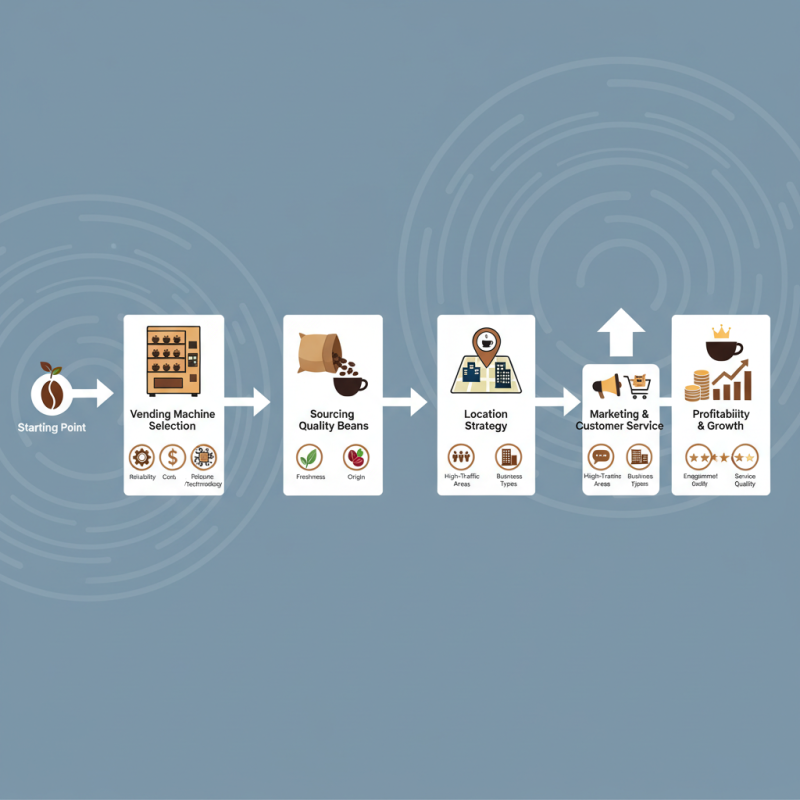
To embark on this journey successfully, it is essential to understand various aspects of coffee vending, from selecting the right vending machines to sourcing quality coffee beans. Additionally, factors such as location, marketing strategies, and customer service play a crucial role in establishing a profitable coffee vending operation. In this guide, we will explore the essential steps and best practices to help beginners navigate the intricacies of starting a coffee vending business, ensuring they are well-equipped to turn their passion for coffee into a rewarding and sustainable endeavor.
Understanding the Coffee Vending Industry and Market Trends
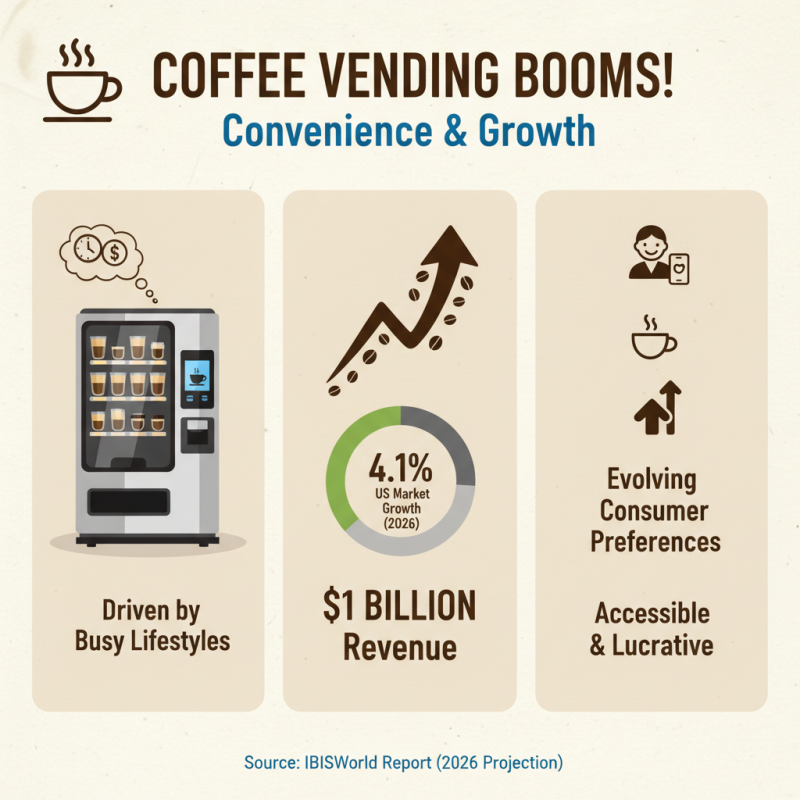
The coffee vending industry has seen significant growth, driven by evolving consumer preferences and the increasing demand for convenience. According to a report by IBISWorld, the coffee vending machine market in the United States is projected to grow at an annual rate of 4.1%, reaching approximately $1 billion in revenue by 2026. This shift is largely attributed to busy lifestyles that make accessible coffee solutions a lucrative opportunity for entrepreneurs.
Understanding current market trends is essential for anyone looking to start a coffee vending business. The rise of specialty coffee has led to a demand for more unique offerings beyond traditional black coffee. Consumers are seeking high-quality ingredients, sustainability, and customization options in their vending experiences. A study by National Coffee Association found that 79% of consumers prefer specialty coffee, indicating a clear market direction towards higher-quality products.
Tips: Focus on locations with high foot traffic, such as office buildings, transportation hubs, and educational institutions. Additionally, consider offering a diverse menu that includes options like organic brews or dairy alternatives to cater to the growing health-conscious demographic. Emphasizing sustainability in your sourcing can also appeal to consumers who are increasingly concerned about environmental impact.
Identifying the Right Location for Your Coffee Vending Machine
Choosing the right location for your coffee vending machine is crucial to its success. High foot traffic areas such as office buildings, hospitals, colleges, and shopping malls are ideal spots. These locations attract a large and diverse crowd, increasing the likelihood of frequent purchases. It's important to observe the flow of people during different times of the day and identify peak hours when potential customers are most active, which can significantly enhance sales.
Additionally, consider the competition in your chosen location. While being near other coffee vendors can create a bustling coffee culture, too much competition in close proximity may divide potential customers. Instead, look for areas where coffee options are limited but demand is high, such as near gymnasiums, factories, or transportation hubs. Conducting a thorough analysis of both foot traffic patterns and local competition can provide valuable insights, allowing you to strategically place your vending machine for optimal visibility and accessibility.
Selecting High-Quality Coffee Products for Your Vending Service
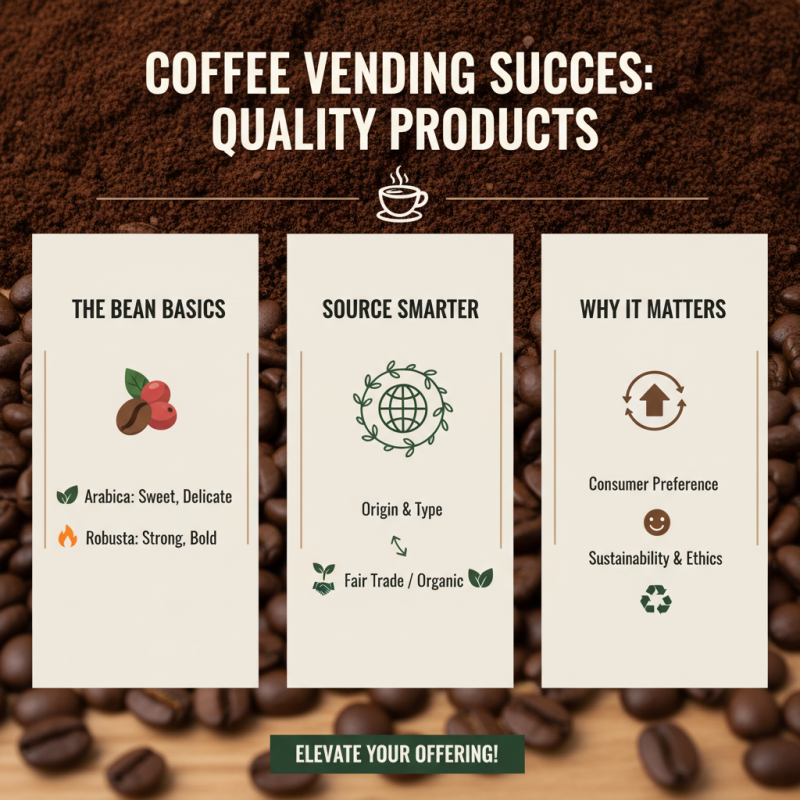
Selecting high-quality coffee products is crucial for the success of your coffee vending business. The foundation of any great coffee experience lies in the beans themselves. When sourcing coffee for your vending service, consider the origin and type of beans. Popular choices include Arabica for its sweet and delicate flavor and Robusta for its strong and bold characteristics. Look for beans that are certified fair trade or organic, as consumers are increasingly drawn to ethically sourced products that support sustainability and local farmers.
In addition to selecting the right beans, the processing method also plays a significant role in the flavor profile of the coffee. Opt for freshly roasted beans, ideally sourced from local roasters who can guarantee their quality. Freshness is key; coffee beans begin to lose their flavor soon after roasting. Consider offering a variety of grinding options and blends to cater to different tastes. Additionally, incorporating specialty flavors and seasonal blends can help keep your offerings fresh and exciting. By prioritizing high-quality coffee products, you will not only attract loyal customers but also create a memorable coffee experience that sets your vending service apart from the competition.
Planning Your Budget and Financial Projections for Startup Costs
When starting a coffee vending business, careful budgeting and financial projections are essential to ensure a smooth launch and ongoing operations. According to a report by IBISWorld, the coffee vending machine industry has seen steady growth, with market size reaching approximately $2 billion in revenue annually in the U.S. alone. To tap into this burgeoning market, beginners must meticulously plan their startup costs, which typically include equipment purchases, initial inventory, and permitting fees. On average, a new vending machine can cost anywhere from $3,000 to $10,000, depending on the features and technology included, while initial coffee and supplies may require an investment of around $1,000 to $2,500.
In addition to upfront costs, aspiring coffee vendors should account for ongoing operating expenses. This includes machine maintenance, regular supply restocking, and location rental agreements, which can vary significantly based on the chosen site’s foot traffic and demographic. A report by Statista indicates that locations with high visibility, such as business districts or college campuses, can significantly increase sales volumes. Thus, projecting your budget should also incorporate potential revenue streams, with estimates suggesting that well-placed coffee vending machines can generate anywhere between $200 to $500 per month, depending on their location and product offerings. By understanding and anticipating these financial aspects, beginners can build a robust foundation for their coffee vending business.
How to Start a Coffee Vending Business Successfully for Beginners - Planning Your Budget and Financial Projections for Startup Costs
| Item |
Estimated Cost ($) |
Description |
| Coffee Vending Machine |
3,000 |
Cost of purchasing a standard coffee vending machine. |
| Initial Inventory |
500 |
First stock of coffee, sugar, and cups. |
| Location Rental |
1,200 |
Monthly rental cost for the location of the machine. |
| Licensing and Permits |
300 |
Legal costs for operating a vending business. |
| Marketing |
400 |
Initial marketing budget for promotion. |
| Total Startup Costs |
5,400 |
Total estimated cost to start the business. |
Navigating Legal Requirements and Health Regulations for Vending Businesses
Starting a coffee vending business can be an enticing venture for beginners, but navigating the complex landscape of legal requirements and health regulations is crucial for success. According to the National Automatic Merchandising Association (NAMA), the vending industry generates approximately $25 billion in annual revenue in the United States alone, highlighting the potential profitability of this business model. However, navigating local, state, and federal regulations is imperative to ensure compliance and avoid potential fines.
Health regulations are particularly important in the food and beverage sector. The Food and Drug Administration (FDA) requires vending machines that dispense food items to meet specific safety standards that include proper storage and sanitation procedures. For example, local health departments may require that vendors obtain permits and undergo inspections to verify compliance with hygiene practices. Adhering to these regulations not only helps avoid legal issues but also builds trust with customers, fostering a positive business reputation. A well-structured approach to these requirements can significantly enhance operational efficiency while ensuring safety and quality in your products, making it essential for new entrants to thoroughly research and understand the legal landscape before launching their coffee vending business.
Average Monthly Revenue of Coffee Vending Machines
This chart displays the average monthly revenue of coffee vending machines based on different locations. As seen, machines placed in high-traffic areas tend to generate higher revenue compared to those in less frequented spots.