Top 10 Types of 36 Pipe End Caps Buyers Need
Selecting the right 36 Pipe End Caps begins with more than diameter and price. It requires attention to pressure, temperature, material compatibility, installation method, and storage conditions. A cap that looks correct may still create leakage, corrosion, or premature replacement.
Market reports show why this decision matters. Grand View Research identifies the global pipe fittings market as a multibillion-dollar sector, supported by construction, energy, water treatment, and process industries. MarketsandMarkets also expects continued growth as infrastructure projects demand reliable joining and protection components. These reports cover broader fittings, not only end caps. That limitation should be acknowledged.
W. Edwards Deming, a respected quality-management authority, said, “Quality comes not from inspection, but from the improvement of the production process.” His principle applies directly to 36 Pipe End Caps. Buyers should evaluate manufacturing controls, dimensional consistency, traceability, and inspection records before approval. Certification alone is not enough.
The following guide examines ten common types, including threaded, welded, push-fit, plastic, stainless steel, and high-pressure designs. Each type serves a different operating condition. Some protect open pipe ends during shipping. Others form permanent pressure boundaries. The difference is critical.
Look closely at the details. Wall thickness matters. So does sealing geometry. Material certificates matter too, although paperwork cannot replace engineering judgment. This guide is practical, but not perfect. Actual selection should still be checked against project specifications, applicable ASME or ASTM requirements, and the manufacturer’s technical data.
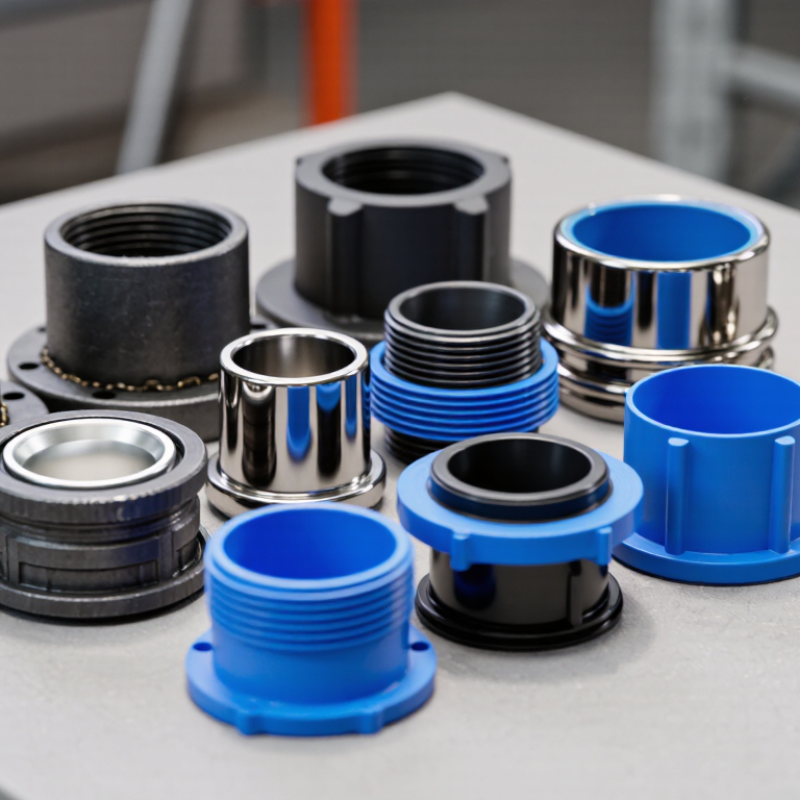
What Are 36-Inch Pipe End Caps and What Are They Used For?
What Are 36-Inch Pipe End Caps and What Are They Used For?
A 36-inch pipe end cap closes the open end of a large-diameter pipe. Its actual fit depends on the pipe’s outside diameter, wall thickness, and end shape. Nominal size alone is not enough. A small measuring error can cause costly delays.
These caps protect pipes during storage, transport, fabrication, and installation. Temporary plastic or steel covers keep out rain, dust, insects, and welding debris. Weld-on caps create a permanent closure for pipelines, tanks, and structural pipe sections. Flanged caps support removable connections, while threaded designs suit compatible fittings. Test caps can also help isolate a section during controlled pressure checks.
Material selection matters. Carbon steel handles demanding mechanical service, while stainless steel resists many corrosive environments. Plastic caps are lighter and useful for temporary protection. The cap should match the pipe material, temperature range, pressure conditions, and required sealing method. Check wall thickness and reinforcement details before ordering. It is easy to focus on diameter and overlook load requirements.
A practical inspection should examine dents, sharp edges, coating damage, and visible gaps. Gaps are not harmless. They can admit moisture and cause hidden corrosion. One lesson from field work is worth remembering: a cap that fits loosely may look acceptable until weather or vibration exposes the problem. Clear drawings, dimensional checks, and documented inspections make selection more dependable.
The Top 10 Types of 36-Inch Pipe End Caps and Their Features
Top 10 Types of 36 Pipe End Caps Buyers Need
The Top 10 Types of 36-Inch Pipe End Caps and Their Features
Choosing a 36-inch pipe end cap requires more than checking diameter. The pipe’s outside diameter, wall thickness, pressure, and connection method must match. Blind caps provide a solid closure for unused pipe sections and inspection points. Threaded caps suit low-pressure systems where repeated removal matters. Slip-on caps fit over the pipe end and support straightforward installation. Weld-on caps create a permanent, strong seal for demanding service. Flanged caps allow bolted access and easier maintenance. They are practical in large process lines.
Reducing caps close a large pipe while connecting to a smaller outlet. Dished caps distribute stress more smoothly than flat designs. Hemispherical caps offer excellent pressure resistance but may cost more to form. Sanitary caps use smooth internal surfaces, reducing areas where residue can collect. Pressure-rated caps are engineered for defined temperature and pressure conditions. Material choices include carbon steel, stainless steel, ductile iron, and engineered plastics. Each option reacts differently to corrosion, impact, heat, and outdoor exposure.
Field experience shows that installation details often decide service life. A heavy 36-inch cap may need lifting support, especially above shoulder height. Sharp edges can complicate handling. Measure the pipe twice. Even experienced buyers occasionally confuse nominal size with actual outside diameter. That mistake is small on paper but expensive during fitting. In my view, the best selection also considers future access, drainage, coating damage, and inspection frequency. A cap that seals well today may become inconvenient tomorrow.
How to Select the Right 36-Inch Pipe End Cap for Your Application
Selecting a 36-inch pipe end cap starts with one critical question: does “36-inch” mean nominal pipe size or actual outside diameter? These dimensions may differ. Measure the pipe before ordering. A small mismatch can cause leakage, delays, or unsafe loading.
Common choices include blind caps, dished caps, hemispherical caps, flat plate caps, threaded caps, socket-weld caps, butt-weld caps, grooved caps, rubber test caps, and mechanical end caps. For permanent industrial service, butt-weld or dished designs often provide better strength. Temporary testing may require a mechanical or rubber cap. Threaded types are less common at this diameter. Check the pipe wall thickness, pressure rating, temperature range, and fluid characteristics.
Material selection needs practical judgment. Carbon steel may suit dry, low-corrosion systems, while stainless steel or coated steel can perform better in wet environments. Confirm compatibility with chemicals, outdoor exposure, and cleaning methods. Ask for material certificates, dimensional records, and pressure-test documentation. Relevant engineering standards should match the project and local requirements.
Do not rely on appearance alone. A heavy cap is not automatically safer. Weld preparation, gasket condition, and installation torque can matter just as much. Field inspections often find damaged sealing surfaces after transport. Protect the cap ends and inspect them before fitting. I would also recheck the specification with the engineer; “36-inch” is sometimes copied incorrectly between drawings and purchase orders.
What Buyers Should Check Before Ordering 36-Inch Pipe End Caps
Top 10 Types of 36-Inch Pipe End Caps Buyers Need
What Buyers Should Check Before Ordering 36-Inch Pipe End Caps
A 36-inch end cap is not a simple cover. Common choices include butt-weld caps, dished caps, hemispherical caps, elliptical caps, blind caps, threaded caps, flanged caps, temporary caps, test caps, and corrosion-resistant lined caps. The right design depends on pressure, temperature, fluid, and connection method. ASME B16.9 covers factory-made butt-welding fittings up to NPS 48, while ASME B16.47 covers large-diameter flanges from NPS 26 to NPS 60. These ranges matter when checking compatibility.
Material verification should come before price comparison. ASTM A234 commonly supports carbon-steel pressure fittings, while ASTM A403 covers many stainless-steel fittings. Ask for heat numbers, chemical analysis, tensile results, wall thickness, and dimensional inspection records. A 2024 Grand View Research report estimated the global industrial pipe market at more than 100 billion US dollars, showing the scale of this supply chain. Large volume does not guarantee quality.
Check the outside diameter, nominal size, schedule, bevel angle, cap depth, and minimum wall thickness. Confirm whether the cap needs stress relief or non-destructive testing. A mill test certificate alone may not prove fabrication quality. I once treated a matching diameter as enough; it was not. Ovality and bevel differences delayed installation. Shortcuts become expensive here. Confirm the drawing, applicable standard, coating, packing, and delivery inspection before issuing the purchase order.