Top Vending Machines for Businesses That Boost Profits?
The vending machine industry has evolved significantly, particularly in the business sector. Vending machines for businesses are no longer just an afterthought; they have become a strategic asset. According to IBISWorld, the vending machine industry generates $23 billion in revenue annually, highlighting its potential for profit. Companies are increasingly recognizing the value of these machines for employee convenience and customer satisfaction.
A report from Statista indicates that 46% of consumers prefer cashless options when purchasing from vending machines. This shift toward technology-driven solutions has encouraged businesses to invest in modern vending equipment. Machines now offer healthy snacks, beverages, and even fresh meals. This variety attracts a broader customer base, which can lead to increased sales.
Despite these advantages, there are challenges to consider. Not all locations guarantee high foot traffic, and selecting the right products can be daunting. Understanding customer preferences is crucial. Vending machines for businesses require careful selection and placement to maximize returns. Reflecting on these aspects can lead to better decision-making and ultimately enhance profitability.
Top Vending Machines: An Overview of Business Profitability
Vending machines can significantly increase business profitability. According to industry reports, the vending machine market is projected to reach $25 billion by 2027. This growth underscores the potential for businesses to leverage vending services. By placing high-demand products in well-traffic areas, owners can enjoy passive income from their machines.
Tips: Choose locations wisely. High foot traffic areas, like office buildings, schools, and hospitals, attract more consumers. Regularly monitor the inventory. Machines that stock popular snacks or beverages generate more sales. Understanding customer preferences helps in selecting the right products.
It's important to note that not every machine thrives equally. Some operators report struggling with maintaining stock levels or facing technical issues. Regular maintenance is crucial. Ensuring machines are clean and fully stocked keeps customers satisfied. A reliable vending service can help in overcoming these challenges and enhance operational efficiency. Regularly reviewing sales data helps identify trends and improve profitability.
Top Vending Machines for Businesses That Boost Profits
This bar chart illustrates the average monthly profit generated by different types of vending machines commonly found in businesses. The data shows that coffee machines lead in profitability, followed by beverage machines, while healthy options generate the least monthly profit.
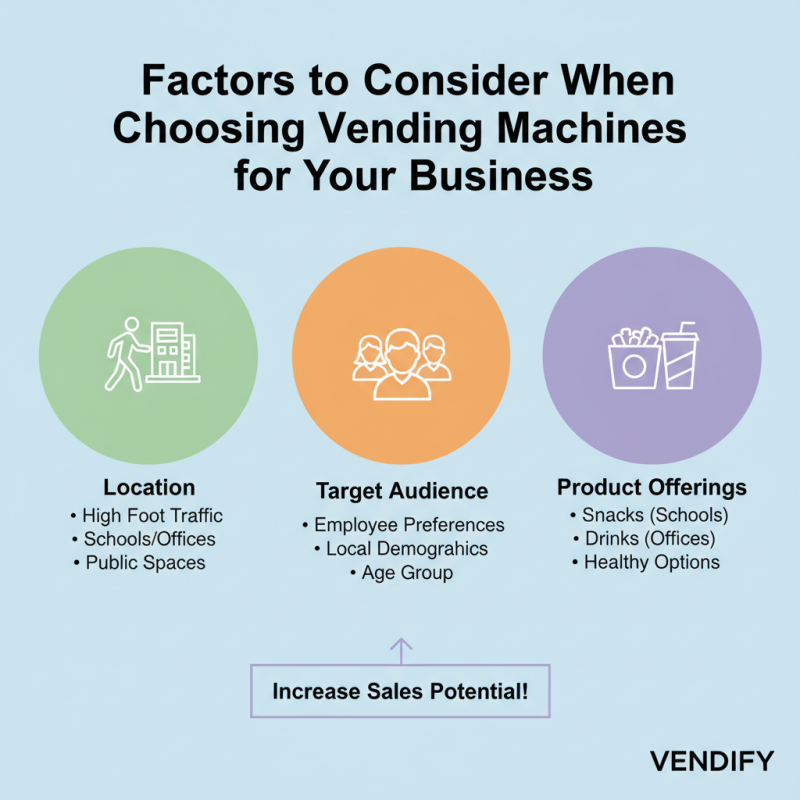
Factors to Consider When Choosing Vending Machines for Your Business
When selecting vending machines for your business, several factors come into play. Start with location. High foot traffic areas increase sales potential. Think about employee preferences and local demographics, too. More snacks may appeal in schools, while drinks might be better for office settings.
Also consider the variety of products. Customers crave options. A mix of healthy and indulgent choices can attract a wider audience. Seasonal products can create excitement. Analyze what has worked before; learn from sales data. Sometimes, fewer items work better. Overloading machines can confuse customers.
Maintenance is another crucial factor. Regularly stocked machines stay appealing. Consider the service model: self-service vs. full-service. Evaluating these aspects is essential for success. Often, novice entrepreneurs overlook this. The wrong machine can drain profits. Reflect on past choices, and be open to adjustments.
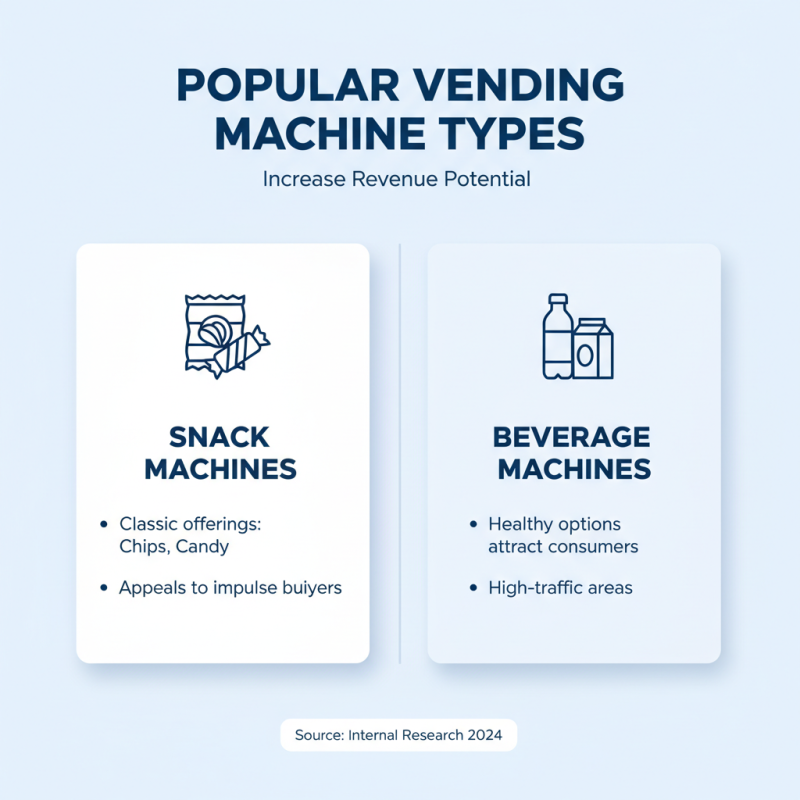
Popular Vending Machine Types That Increase Revenue Potential
When considering vending machines for businesses, several types stand out for their revenue potential. Snack machines are classics, offering chips and candy in high-traffic areas. They appeal to impulse buyers. Beverage machines, especially those that offer healthy options, attract health-conscious consumers.
Fresh food vending machines are gaining popularity. They provide sandwiches, salads, and wraps. This type caters to busy professionals looking for quick meals. However, managing fresh food can be challenging. You must ensure freshness and stock regularly.
Tips: Choose optimal locations. Visibility and accessibility are key. Analyze foot traffic patterns. Keep your machines clean and well-stocked. Regular maintenance is crucial to avoid downtime. High-quality machines cost more. Still, they often lead to better profits in the long run. Remember, vending isn't just about machines; it's about people's choices and habits.
Effective Locations for Vending Machines to Maximize Customer Reach
Choosing the right locations for vending machines can significantly impact profit margins. High-traffic areas are always a smart choice. Think about places like office buildings, schools, and gyms. These spots attract customers consistently. Having a machine in a waiting area can also make it convenient for people.
However, not every location guarantees success. Some areas may seem ideal but lack sufficient foot traffic. Retail spaces often have shoppers distracted by other purchases. It’s crucial to assess the surrounding environment regularly. Observe customer behavior and make adjustments as needed. Sometimes, a machine in a quieter spot can outperform one in a busy area.
Regularly refreshing product offerings is vital. Stale inventory leads to customer disinterest. Consider local preferences and seasonal trends. Experimenting with a mix of drinks and snacks can help discover what sells best. Keep an eye on trends, but also learn from missed opportunities. Reflecting on past mistakes can lead to better decision-making in the future.
Innovative Features in Modern Vending Machines to Enhance Sales
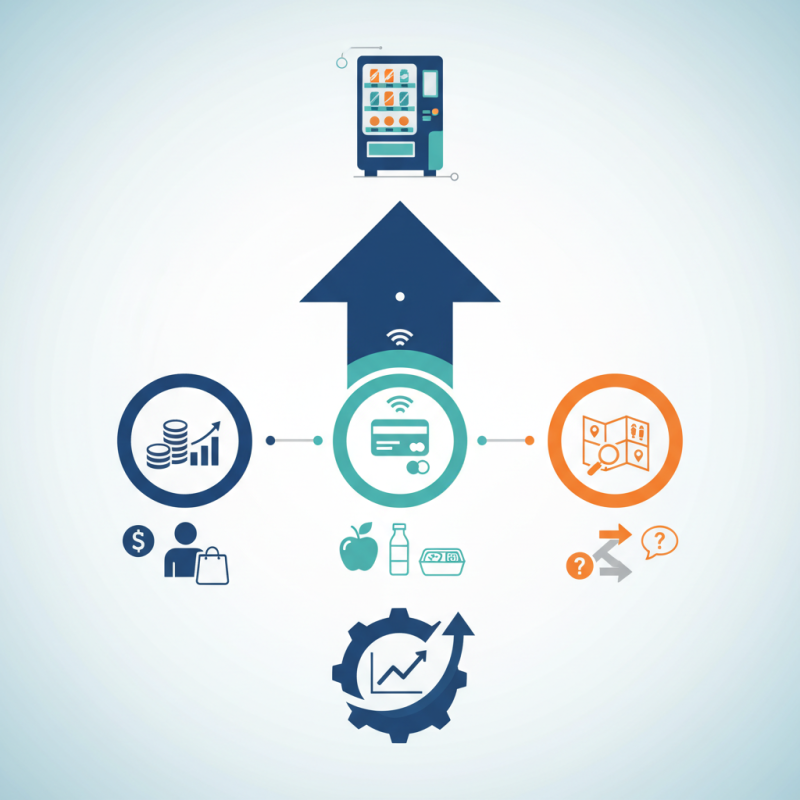
Modern vending machines are more than just snack dispensers. They now come equipped with features that drive sales and improve customer experience. Touchscreens replace buttons, allowing for easy navigation. Dynamic pricing adjusts based on demand, which can maximize profits. Many machines now accept mobile payments, catering to cashless consumers.
These innovations can present challenges too. Technical issues may arise, causing outages that frustrate customers. Regular maintenance is crucial to avoid lost sales. Data analytics can help track trends but require proper implementation. Without clear insights, businesses may struggle to adapt their offerings. Additionally, aesthetics play a role; a well-designed machine can attract more users, but the cost of custom designs can be high. Balancing technology and user experience is key.
Top Vending Machines for Businesses That Boost Profits
| Machine Type |
Innovative Features |
Average Cost |
Monthly Revenue Potential |
Ideal Locations |
| Healthy Snack Machine |
Cashless Payment, Nutritional Info Display |
$3,500 |
$800 |
Offices, Gyms, Health Clubs |
| Coffee Vending Machine |
Customizable Drinks, Touchscreen Interface |
$4,000 |
Cafes, Offices, Waiting Rooms |
Places with High Foot Traffic |
| Electronics Vending Machine |
24/7 Availability, Remote Monitoring |
$5,500 |
Airports, Train Stations, College Campuses |
High-Tech Environments |
| Frozen Food Vending Machine |
Temperature Control, Freshness Guarantee |
$6,000 |
Construction Sites, Industrial Parks |
Remote Locations |
| Smart Vending Machine |
AI Recommendations, Inventory Tracking |
$8,000 |
Shopping Malls, Corporate Buildings |
Tech-Savvy Areas |