The Ultimate Guide to Starting a Vending Machine Business in 2025
Starting a vending machine business in 2025 promises to be a lucrative venture for entrepreneurs looking to tap into the growing demand for convenient and accessible food and beverage options. With advancements in technology and shifts in consumer behavior, vending machine businesses are evolving beyond traditional offerings, catering to a diverse range of preferences and dietary needs. From healthy snacks to tech-savvy machines equipped with cashless payment systems, the landscape offers opportunities for innovation and profitability.
In this guide, we will explore the essential steps to launch your vending machine business successfully. Understanding the market, selecting the right products, and identifying optimal locations are crucial considerations that can significantly impact the success of your venture. Whether you are a seasoned business owner or a first-time entrepreneur, the world of vending machines presents an exciting opportunity to create a sustainable and rewarding business model that aligns with modern consumer lifestyles. Join us as we delve into the essential strategies and insights needed to thrive in this dynamic industry.
Understanding the Vending Machine Market Trends and Growth Forecasts for 2025
The vending machine market is poised for significant growth in 2025, driven by shifting consumer behaviors and advancements in technology. As people increasingly seek convenience and contactless options, vending machines are adapting to offer a broader range of products, including healthy snacks, fresh food, and even everyday essentials. This evolution reflects a growing demand for a more diverse and nutritious selection, catering to health-conscious consumers while still prioritizing speed and accessibility.
Emerging trends indicate that the integration of smart technology in vending machines will play a crucial role in market growth. Machines equipped with payment solutions such as mobile wallets and cashless payment systems are becoming the norm, enhancing the user experience and operational efficiency. Additionally, data analytics will allow operators to better understand consumer preferences, enabling personalized offerings and optimized product placement. In 2025, the combination of convenience, technology, and consumer-centric approaches will not only reshape the vending machine landscape but also solidify its relevance in the broader retail ecosystem.
Conducting Market Research: Identifying Profitable Locations for Vending Machines
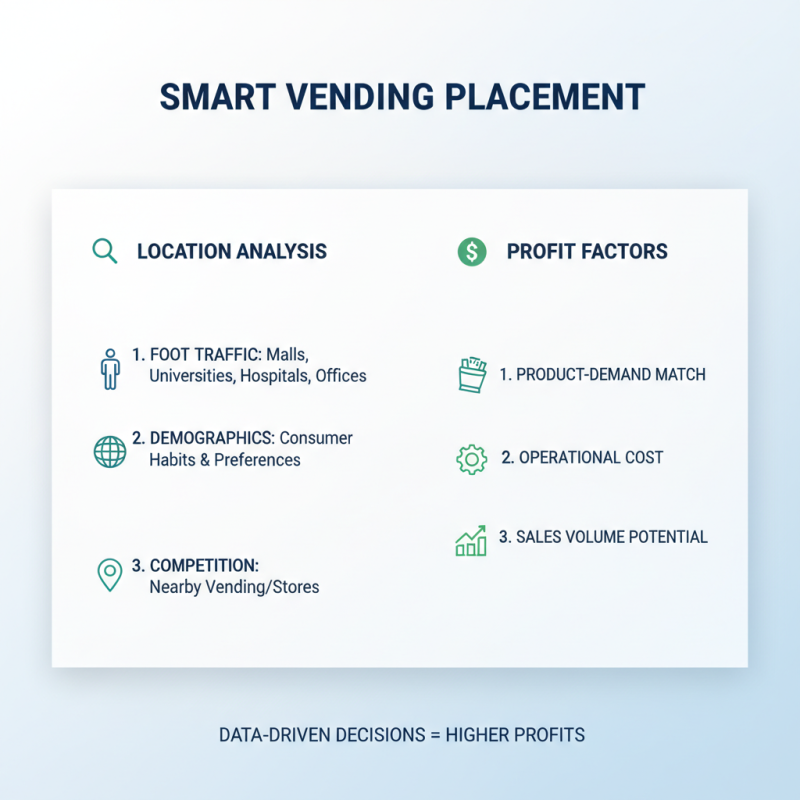
Conducting thorough market research is crucial when identifying profitable locations for vending machines. Start by analyzing foot traffic patterns in various potential areas. High-traffic locations such as shopping malls, universities, hospitals, and office buildings often yield better sales. Additionally, consider the demographics of the surrounding area. Understanding the preferences and behaviors of local consumers can guide your selection of products, ensuring you meet the demand.
Another important factor is assessing local competition. Investigate if there are existing vending machines nearby and analyze their performance. This includes looking at the variety of products offered, pricing strategies, and customer feedback. A location with little to no competition may present a prime opportunity, especially if you can identify a gap in the available offerings. Furthermore, consider seasonal trends that may affect foot traffic, such as holidays or local events, to capitalize on peak times for sales. By integrating these data points, you can strategically position your vending machines in areas where they are most likely to succeed.
Choosing the Right Products: Top-Selling Items and Consumer Preferences in 2025
In 2025, consumer preferences are evolving rapidly, making it crucial for entrepreneurs to choose the right products for their vending machine businesses. Health-conscious choices are on the rise, with snacks that are low in sugar, high in protein, and made from natural ingredients becoming increasingly popular. Plant-based products and gluten-free options are also gaining traction, as more consumers seek alternatives that align with their dietary restrictions and lifestyle choices. Incorporating such items into vending machines can attract a broader customer base, catering to the growing demand for healthier snacking options.
In addition to health-conscious selections, convenient meal options are becoming a staple in vending. Busy professionals and students often seek grab-and-go meals that are nutritious and satisfying. Items like salads, wraps, and meal bowls that require minimal preparation time are ideal for this demographic. Moreover, drinks that offer functional benefits, such as energy-boosting teas and hydration-focused beverages, are also trending. By offering a diverse range of both health-focused snacks and convenient meals, vending machine operators can capitalize on consumer preferences and ensure their offerings remain relevant in a competitive market.
The Ultimate Guide to Starting a Vending Machine Business in 2025 - Choosing the Right Products
| Product Category |
Top-Selling Items |
Consumer Preferences |
Average Price |
| Snacks |
Chips, Granola Bars |
Healthy options, Variety |
$1.50 - $3.00 |
| Beverages |
Sparkling Water, Energy Drinks |
Low-calorie, Functional beverages |
$1.00 - $2.50 |
| Health Foods |
Protein Bars, Nuts |
Organic, Protein-rich |
$2.00 - $5.00 |
| Gourmet Treats |
Artisan Chocolates, Specialty Cookies |
High-quality, Unique flavors |
$2.50 - $4.50 |
| Meal Replacement |
Meal Replacement Shakes, Ready-to-Eat Meals |
Convenience, Balanced nutrition |
$3.00 - $7.00 |
Navigating Legal Requirements and Regulations for Vending Machines Startups
When starting a vending machine business in 2025, navigating the legal landscape is crucial for success. Each state and locality may have its own set of regulations governing the operation of vending machines, including necessary permits and licenses.
Business owners must familiarize themselves with rules surrounding the placement of machines, as some jurisdictions require specific approvals from property owners or local health departments, particularly if the machines dispense food or beverages. It is essential to conduct thorough research to ensure compliance with these regulations from the outset.
Moreover, safety and health standards play a significant role in the vending industry. Operators must adhere to guidelines set by local health authorities regarding food safety, labeling, and sanitation practices. Additionally, being aware of consumer protection laws is vital, as they can dictate how products are marketed and what information must be readily available to customers. Keeping detailed records and staying updated on changes in regulations can mitigate risks and foster a smooth operational process. Engaging with legal experts or industry associations can provide valuable insights into these requirements and enhance the overall success of a vending machine startup.
Financial Planning: Startup Costs, Revenue Projections, and ROI in Vending Ventures
When embarking on a vending machine business in 2025, meticulous financial planning is crucial to ensure long-term success. Start by estimating your startup costs, which typically include purchasing or leasing vending machines, securing inventory, and covering operational expenses such as maintenance and location rentals. Initial costs can vary significantly based on the types of machines and products offered; thus, a well-crafted budget is essential for assessing the financial viability of your venture.
In addition to startup costs, developing accurate revenue projections will help you gauge the potential profitability of your business. Analyzing location demographics, local demand for various snack and beverage options, and competition can provide insights into expected sales. As you estimate revenues, consider factors such as vending machine pricing, average sales volume per location, and seasonal fluctuations. A realistic approach will aid in calculating your expected return on investment (ROI), guiding your decision-making and helping you secure funding if required. By closely monitoring expenses and revenues, you can refine your strategy and enhance profitability in the competitive vending industry.