Why Vending Machine Locations Matter for Global Buyers?
For global buyers, vending machine locations are not a minor purchasing detail. They shape visibility, daily sales, maintenance access, and long-term return on investment. A machine beside a busy train station may attract hundreds of customers. Another machine, placed ten metres away in a quiet corridor, may struggle.
Retail anthropologist Paco Underhill offers a useful perspective: “The best retail is the kind that doesn’t feel like retail.” His observation applies strongly to vending. The strongest locations fit naturally into daily routines. Airports, hospitals, universities, office buildings, hotels, and residential complexes can create steady demand. However, each site behaves differently. Local income, climate, product preferences, opening hours, safety standards, and payment habits all influence performance.
Global buyers should study pedestrian flow, not just population figures. Watch where people pause. Check whether customers can see the machine clearly from several metres away. Confirm power access, cellular connectivity, cleaning responsibilities, and refill routes before signing an agreement. These details sound ordinary. They often decide profitability.
Experience also teaches a less comfortable lesson. A famous location can underperform. A modest workplace can outperform it through repeat purchases. Numbers help, but they never explain everything. Buyer assumptions may be wrong. Pilot testing is wiser than making a large commitment immediately. Reliable research should combine footfall data, local partner feedback, seasonal observations, and transparent sales records. This article examines how vending machine locations influence purchasing decisions, operational risk, and sustainable growth across international markets.
What Makes a Vending Machine Location Strategically Important?
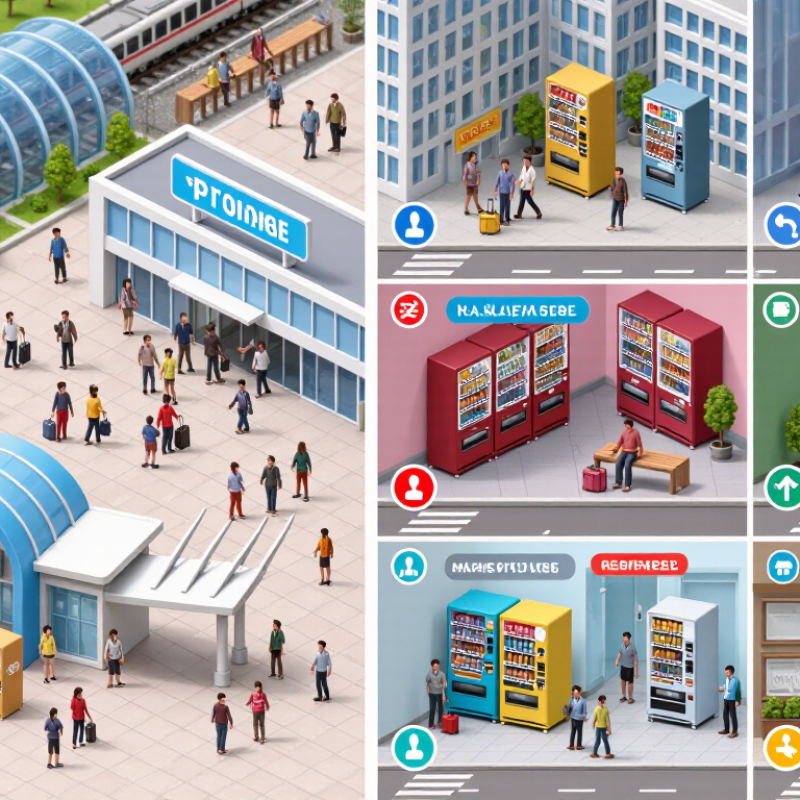
A vending machine location is strategically important when it matches customer needs, traffic patterns, and operating conditions. In my field experience, a busy entrance does not always produce reliable sales. People may pass quickly, carry bags, or lack time to stop. A hospital waiting area, transit interchange, factory break room, or student residence can create more useful pauses. Visibility matters, but dwell time matters more. The machine should be easy to notice, reach, and use without blocking movement. Nearby lighting, weather protection, power access, and safe servicing routes also affect long-term performance.
Global buyers should evaluate the site, not only the machine specifications. Request footfall estimates and compare them with observed traffic at different hours. Check local purchasing habits, payment preferences, temperature ranges, and maintenance response times. A location with strong morning traffic may be quiet after noon. That difference can change product selection and refill schedules. Reliable electricity and stable connectivity are practical requirements, not optional upgrades. Ask who controls the space, how access is approved, and whether rent or revenue-sharing terms are clearly documented. Small details become expensive later.
Tips: Visit the proposed site before signing. Stand there for fifteen minutes. Count passersby, waiting customers, and blocked sightlines. Photograph the surrounding environment for later review. Test mobile signal and measure the walking distance to power. Speak with cleaning and security staff; they often know daily problems better than sales data. I once underestimated seasonal changes, and the lesson remains uncomfortable: a promising location can weaken quickly when assumptions replace observation.
Why Vending Machine Locations Matter for Global Buyers?
What Makes a Vending Machine Location Strategically Important?
A strategically important location balances customer demand, accessibility, visibility, operating cost, and safety. The index uses a transparent 100-point planning framework: demand potential accounts for 30 points, accessibility 20, visibility 20, operating cost 15, and safety 15. Higher scores indicate stronger suitability for international vending-machine deployment.
How Location Influences Customer Traffic and Purchasing Behavior
Why Vending Machine Locations Matter for Global Buyers?
How Location Influences Customer Traffic and Purchasing Behavior
For global buyers, location is not a minor placement detail. It shapes visibility, trust, dwell time, and purchase frequency. NAMA’s 2023 Industry Census valued the U.S. vending market at about $18.6 billion in 2022. That scale reflects repeated, location-driven transactions, not only machine quality. A machine beside an elevator serves brief pauses. One near a factory entrance captures predictable shift traffic. The same model may perform poorly in a quiet corridor.
Customer behavior changes with context. Transit areas create urgency, while offices support routine purchases. The International Transport Forum’s Transport Outlook 2023 projects strong growth in global passenger travel through 2050. This makes transport hubs attractive, but competition is intense. Buyers should measure footfall by hour, not rely on daily totals. A site with 2,000 passersby may underperform if most people are rushing. A smaller waiting area can convert better.
In practice, operators should test sightlines, walking distance, lighting, and nearby alternatives. Convenience can encourage unplanned purchases, but it is easy to overestimate. A visible machine may still feel unsafe or inconvenient at night. Field assessments sometimes favor traffic counts while ignoring queue direction and stopping space. That is a costly mistake. Use a short pilot, compare sales by time block, and interview users. The evidence may challenge the original plan. That is useful.
Why Vending Machine Locations Matter for Global Buyers? - How Location Influences Customer Traffic and Purchasing Behavior
| Location Type |
Typical Daily Pedestrian Traffic |
Indicative Purchase Conversion |
Peak Purchasing Period |
Typical Basket Size |
Restocking Frequency |
Purchasing Behavior |
Key Location Considerations |
| Office Buildings |
300–2,000 people/day |
1.5%–4.0% |
08:00–10:00
12:00–14:00 |
US$2.50–6.00 |
2–5 times/week |
Routine purchases driven by convenience, short breaks, and forgotten meals or drinks. |
Place near elevators, break areas, reception zones, or employee entrances; provide cashless payment where possible. |
| Universities and Colleges |
1,000–10,000 people/day |
2.0%–6.0% |
10:00–12:00
14:00–18:00 |
US$1.50–5.00 |
3–7 times/week |
Price-sensitive, frequent, and strongly influenced by product variety and late operating hours. |
Offer affordable snacks, bottled drinks, quick meals, and contactless payment; avoid locations hidden from student circulation. |
| Hospitals and Medical Centers |
500–5,000 people/day |
1.0%–3.5% |
07:00–10:00
12:00–15:00
18:00–22:00 |
US$2.00–7.00 |
3–7 times/week |
Purchases are need-based and may occur outside normal retail hours during long visits or shift work. |
Use quiet, accessible areas near waiting rooms and staff zones; prioritize hygiene, reliability, and clear nutritional information. |
| Transportation Hubs |
5,000–100,000+ people/day |
0.5%–2.5% |
06:00–09:00
16:00–20:00 |
US$3.00–8.00 |
Daily or multiple times/day |
High-intent convenience purchases made under time pressure, especially drinks, snacks, and travel essentials. |
Visibility, queue-free access, multilingual instructions, strong payment acceptance, and rapid replenishment are essential. |
| Hotels and Tourist Areas |
200–3,000 people/day |
1.0%–4.0% |
07:00–10:00
19:00–24:00 |
US$3.00–10.00 |
2–6 times/week |
Convenience and availability often outweigh price, particularly at night or when nearby stores are closed. |
Use multilingual product information, tourist essentials, beverages, personal-care items, and secure indoor placement. |
| Factories and Industrial Parks |
300–5,000 workers/day |
2.0%–5.0% |
Shift changes
Meal breaks |
US$2.00–6.00 |
3–7 times/week |
Purchasing is concentrated around scheduled breaks and influenced by shift patterns and workplace meal options. |
Select durable machines, support 24-hour operation, and stock filling foods, hydration products, and practical essentials. |
| Residential Communities |
100–1,500 residents/day |
1.0%–3.0% |
18:00–23:00 |
US$2.00–8.00 |
1–4 times/week |
Purchases are convenience-led and typically occur when residents want immediate access without leaving the property. |
Install near entrances, laundry rooms, gyms, or shared lounges; consider fresh food, household basics, and secure payment. |
| Gyms and Sports Facilities |
200–2,000 visitors/day |
1.5%–5.0% |
06:00–09:00
17:00–21:00 |
US$2.50–8.00 |
2–5 times/week |
Purchases are purpose-driven, with demand for hydration, nutritional products, and quick post-exercise options. |
Position near changing rooms or exits; provide chilled drinks, transparent nutritional details, and reliable refrigeration. |
|
Data note: The figures are practical planning ranges commonly used for preliminary vending-location evaluation. Actual results vary by country, rent, operating hours, product mix, seasonality, security, local purchasing power, and nearby retail competition. Conversion is calculated as estimated purchases divided by daily pedestrian traffic.
|
Which Environmental Factors Determine Location Suitability?
Why Vending Machine Locations Matter for Global Buyers?
A vending machine may look portable, but its environment decides daily performance. In field assessments, I check heat, humidity, rainfall, dust, and direct sunlight before counting visitors. A bright glass frontage can attract attention, yet afternoon heat may spoil temperature-sensitive goods or strain cooling equipment.
Shade helps.
Ventilation matters.
Flood risk deserves equal attention. A machine beside a low curb may face standing water after one storm. Slightly raised flooring, sealed cable entries, and a visible drainage path reduce avoidable damage. Coastal locations add salt air, which can corrode metal panels and electrical contacts. Cold regions create another problem: condensation during rapid temperature changes. Buyers should request local climate records, not rely on a pleasant site visit.
Power quality
Voltage fluctuations can interrupt payment systems
Lighting
Poor night lighting may reduce use and increase maintenance concerns
Pedestrian flow
Seasonal events can distort traffic estimates
Nearby construction brings fine dust and blocked access; seasonal events can distort traffic estimates. I prefer recording temperature, sunlight, noise, and footfall at different hours for several days. This costs time, but assumptions cost more.
A perfect location rarely exists.
How Global Buyers Can Evaluate and Compare Potential Locations
Why Vending Machine Locations Matter for Global Buyers?
Global buyers should evaluate vending locations as operating systems, not empty spaces. A busy station may attract thousands of people, but shoppers may move too quickly to stop. A quiet office lobby may produce fewer views, yet offer stronger repeat purchases. Visit each site during morning, lunch, evening, and weekends. Record pedestrian flow, waiting time, lighting, nearby facilities, and machine visibility.
Compare locations with the same scorecard. Measure daily traffic, estimated conversion, rent, electricity, connectivity, and restocking distance. Check whether customers prefer cashless payments, local currency, or multiple languages. Ask about building access, cleaning schedules, security, and maintenance rules. Small details matter. A narrow doorway can delay delivery. Weak mobile signals can interrupt payment processing.
Weather also affects performance. Outdoor sites may need shade, drainage, and temperature protection. Indoor sites may have stricter approval procedures. Review local permits, taxes, insurance requirements, and consumer protection rules with qualified advisers. Do not rely on a landlord’s verbal estimate. Request written terms and inspect utility points personally. A short pilot period can reveal seasonal demand and unexpected service costs. My early comparisons focused too heavily on foot traffic. That was a mistake. Real profitability often depends on access hours, reliable power, and how quickly a technician can reach the machine.