What is Vending Solutions? A Comprehensive Guide to Modern Automatic Retail
Vending solutions have evolved significantly over the past decade, transforming the landscape of automatic retail. According to a report by IBISWorld, the vending machine industry is projected to reach a market size of $25 billion by 2025, driven by advancements in technology and changing consumer preferences. Modern vending solutions now offer more than just snacks and beverages; they include a variety of products, from healthy food options to electronics, catering to an increasingly diverse consumer base. This shift is indicative of a broader movement in the retail sector towards convenience and accessibility.
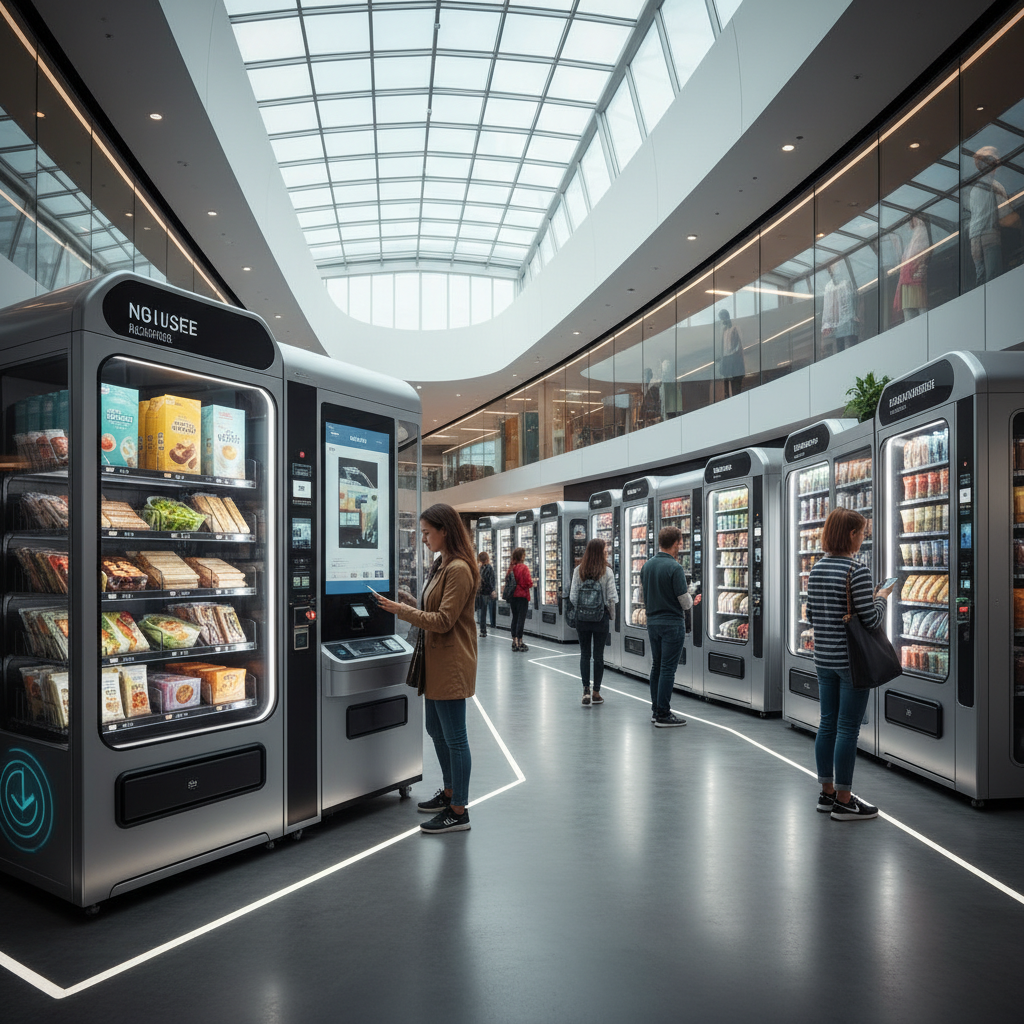
Moreover, a survey conducted by the National Automatic Merchandising Association (NAMA) found that 80% of consumers prefer vending machines with cashless payment options, reflecting a demand for more streamlined and user-friendly purchasing experiences. As these vending solutions incorporate smart technology, such as telemetry and artificial intelligence, they are not only enhancing customer engagement but also providing operators with valuable data on consumer behavior and inventory management. This comprehensive guide delves into the latest trends, technologies, and best practices in vending solutions, showcasing how they are set to dominate the retail space in the coming years.
Understanding the Evolution of Vending Solutions in Modern Retail
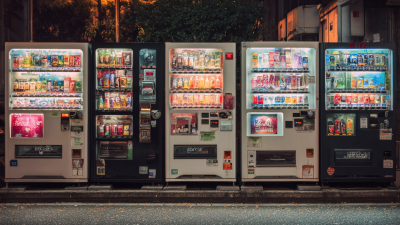
The evolution of vending solutions has transformed the retail landscape, offering convenience and efficiency that meets the demands of modern consumers. Initially limited to snack and drink machines, vending has expanded into a diverse range of products, including fresh food, electronics, and even beauty products. This shift is fueled by advancements in technology, such as cashless payment systems and smart inventory management, providing a seamless shopping experience that attracts customers on the go.
Tips: When choosing a vending solution for your business, consider the location and target demographic. High foot-traffic areas, like office buildings or universities, are ideal for vending machines that offer healthier food choices or trendy items. Additionally, investing in machines with interactive displays can enhance customer engagement and drive sales.
Moreover, the integration of data analytics allows operators to monitor consumer behavior and adapt their offerings accordingly. This adaptability not only improves inventory turnover but also fosters customer loyalty, as businesses can better meet the preferences of their clientele. Implementing modern automatic retail solutions will ultimately enhance the customer experience while maximizing profitability.
Tips: Leverage customer feedback to refine your product selection and service approach. Regularly updating inventory based on seasonal trends or popular preferences can help maintain customer interest and satisfaction.
Key Features and Benefits of Automatic Vending Machines
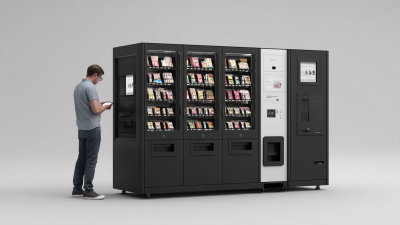
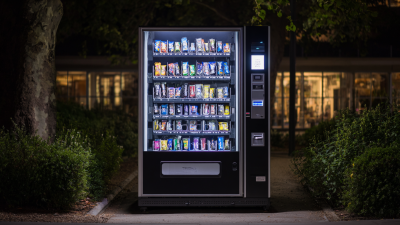
Automatic vending machines have evolved significantly, offering diverse features that enhance convenience and efficiency in modern retail. One of the key features of these machines is their ability to accommodate a wide range of products, from snacks and beverages to electronics and personal care items. This adaptability allows businesses to cater to various consumer preferences and demands without the need for extensive staffing. Additionally, many machines are now equipped with touch-screen interfaces and cashless payment options, making the purchasing process seamless and user-friendly.
Another major benefit of automatic vending machines is their cost-effectiveness. With the potential for 24/7 operation, these machines can generate revenue outside of traditional business hours, maximizing profits for sellers. Moreover, the reduced need for in-person staff to manage sales operations can significantly lower overhead expenses. The data analytics capabilities of modern vending solutions also empower operators to track sales trends and inventory levels, enabling them to make informed decisions and optimize their product offerings over time. This combination of features and benefits highlights the growing importance of vending solutions in today's fast-paced retail environment.
Key Features and Benefits of Automatic Vending Machines
Types of Vending Solutions: From Snacks to Smart Technology
Vending solutions have evolved significantly, encompassing a diverse range of products and technological advancements that cater to various consumer needs. Traditional vending machines, primarily stocking snacks and beverages, are now complemented by high-tech options featuring fresh food, health-conscious items, and even non-food products. According to a report by IBISWorld, the U.S. vending machine industry was valued at approximately $7 billion in 2022, highlighting a growing demand for automated retail solutions that go beyond just snacks.
One of the most promising trends in vending technology is the integration of smart features, such as cashless payment systems, IoT connectivity, and real-time inventory management. A recent market analysis by Grand View Research indicates that the global smart vending machine market is expected to reach $10.4 billion by 2025, driven by consumer preferences for convenience and technology-enhanced experiences. These modern machines can even provide personalized recommendations based on user data, creating a more engaging and tailored shopping experience. With these advancements, the range of vending solutions continues to expand, catering to a wider audience and reshaping the retail landscape.
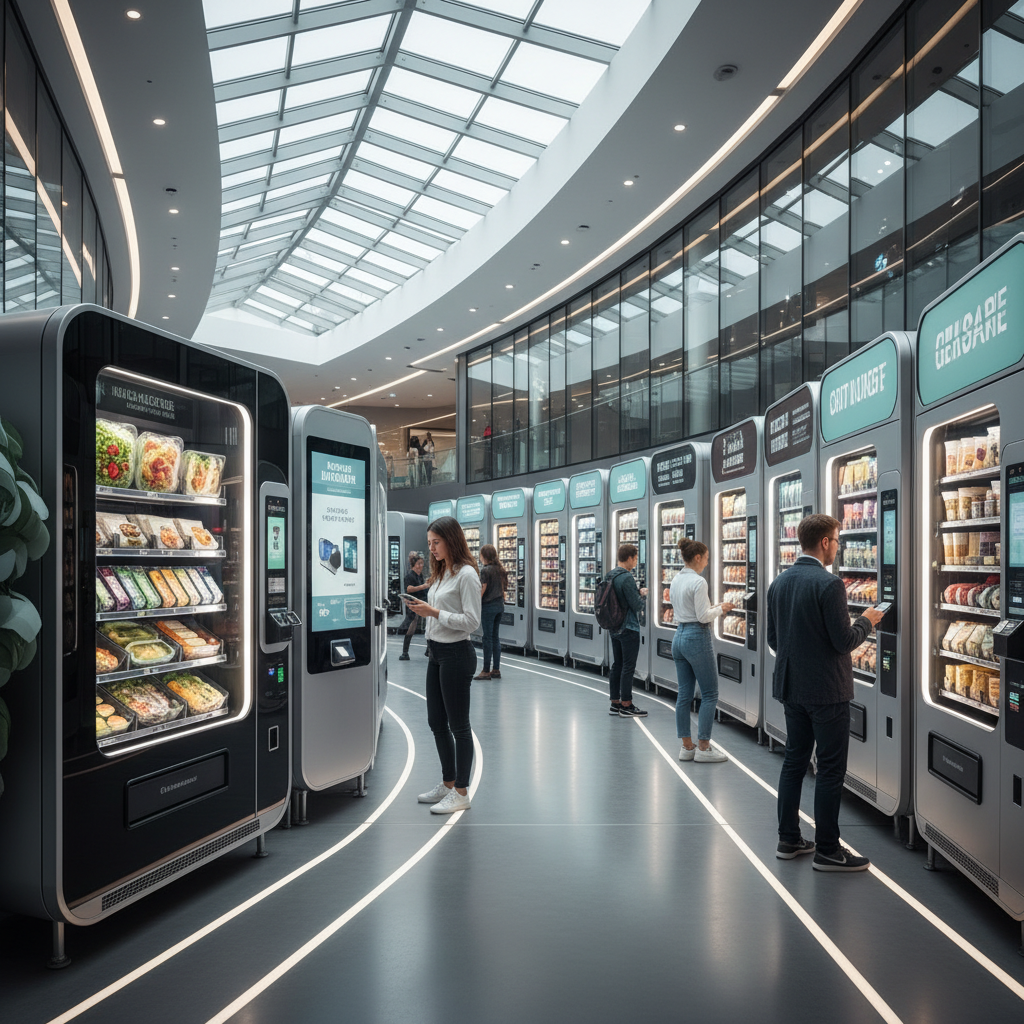
The Role of Technology in Shaping Future Vending Experiences
The transformative impact of technology on the vending industry is evident as automated retail continues to evolve. Recent industry reports indicate that the global vending machine market is projected to reach approximately $30 billion by 2026, reflecting a compound annual growth rate (CAGR) of around 9%. This growth is powered by innovations in payment systems, user interfaces, and inventory management, all of which enhance customer experiences and operational efficiency.
Emerging technologies, such as artificial intelligence and IoT, are revolutionizing how vending machines operate. These advancements allow for real-time monitoring of stock levels, enabling businesses to optimize inventory and reduce waste. Additionally, cashless payment solutions have gained traction, with a significant portion of consumers preferring touchless transactions. Market analysis suggests that around 55% of consumers are more likely to use a vending machine that accepts mobile payments, highlighting a clear trend towards convenience and efficiency in automated retail environments. As these technologies become more integrated, the future of vending will be increasingly defined by customization and enhanced consumer interaction.
Navigating the Challenges and Opportunities in Vending Operations
The vending industry has evolved significantly over the years, presenting both challenges and opportunities for operators. With advancements in technology, modern vending machines now offer cashless payment options, interactive screens, and even the ability to track inventory in real-time. However, navigating these changes can be daunting. Operators must stay updated on market trends and consumer preferences to remain competitive.
Tip: Regularly assess customer feedback and sales data to identify popular products and adjust your inventory accordingly. This will not only help you meet demand but also enhance customer satisfaction.
Additionally, ensuring optimal machine placement is crucial. High-traffic areas like schools, hospitals, and offices typically yield better revenue. Operators should perform location analyses before deploying machines.
Tip: Consider conducting pilot tests in various locations to gauge customer engagement. Use this data to make informed decisions about the most profitable spots for your vending operations. By strategically managing these elements, operators can effectively harness the opportunities in the evolving vending landscape.