Why Choose a Combination Vending Machine?

Why choose a combination vending machine in a market demanding convenience, flexibility, and measurable returns? This format combines snacks, beverages, and sometimes fresh products in one compact unit. It can serve offices, schools, hotels, hospitals, transport hubs, and residential buildings. Customers can buy a drink and a quick meal without visiting multiple machines. That small moment matters during a short break.

Industry data supports careful consideration. Grand View Research reported that the global vending machine market was valued at approximately USD 21.33 billion in 2023. Its analysis also projects strong growth through 2030, driven by cashless payments, automated retail, and changing consumer habits. In the United States, the National Automatic Merchandising Association’s 2023 Industry Census estimated vending revenue at about USD 18.6 billion in 2022. The report also highlighted higher consumer expectations for convenience and digital payment options. These figures show opportunity, not guaranteed profit.

A combination vending machine may improve space efficiency and broaden product choice. One footprint can hold bottled water, packaged snacks, sandwiches, or healthier alternatives. Operators can also test different products by location and sales data. However, product capacity, refrigeration needs, restocking time, and maintenance costs require honest evaluation. A machine near a busy hospital entrance needs different inventory from one in a quiet office lobby. That assumption can fail.

Experience still matters. Operators should review foot traffic, peak hours, product expiry, payment reliability, and local purchasing habits before installation. Research from NAMA and Grand View Research offers useful market context, but site-level evidence remains essential. The strongest decision is not simply choosing more products. It is matching the right combination vending machine to real customer routines, available space, and sustainable operating resources.
Why Choose a Combination Vending Machine?

What Is a Combination Vending Machine?

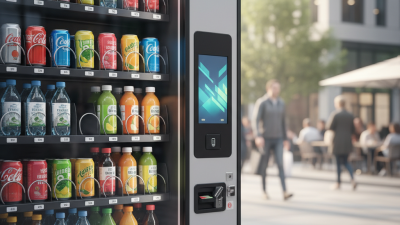
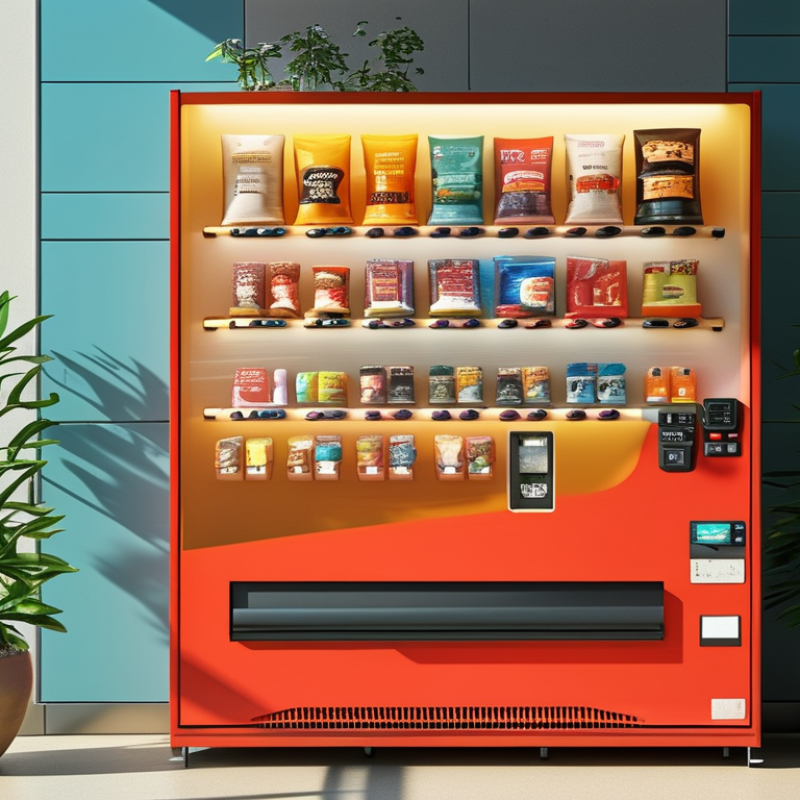
A combination vending machine is an automated retail unit that offers different products through one cabinet. It may pair chilled drinks with snacks, personal-care items, or small daily necessities. Separate spirals, shelves, and temperature zones help protect each product type. Customers choose an item, pay through an approved payment system, and collect it from a secure delivery area. The machine usually has a touchscreen or clearly labeled selection panel.

Simple.

The main advantage is space efficiency. One installation can serve an office lobby, apartment entrance, school common area, or transport waiting zone. In my experience, mixed inventory helps when customer needs change throughout the day. Cold water may sell at noon, while packaged snacks move during afternoon breaks. Operators can review sales data, refill popular selections, and adjust slow-moving products. However, convenience depends on careful setup. A crowded layout confuses users, and poor temperature control can damage freshness. That part is easy to underestimate.

A dependable combination machine also needs visible pricing, accessible controls, safe electrical installation, and regular cleaning. Its payment records should be protected, and its stock information should remain accurate. I would test each selection after restocking, because a product can appear available while the delivery coil jams. That small failure affects trust quickly. Choosing the right machine means matching capacity, climate control, payment options, and service access to the location. Bigger is not always better.

How Combination Vending Machines Operate

A combination vending machine unites several product formats inside one cabinet. Shelves, spirals, and chilled compartments share a single control system. A customer selects an item on the display. The controller checks payment, stock, and the correct motor. Then, a spiral turns or a locker releases.

The process looks simple. It is not always simple. Sensors must confirm that the product dropped successfully. If a bottle tilts, the machine may reverse the motor or issue a refund. Temperature sensors protect chilled products, while an electronic lock secures the service door. Remote telemetry can report low inventory, payment errors, and temperature changes before a technician arrives.

Combination machines also use cashless readers, which support faster purchasing in workplaces, transport areas, and residential buildings. The National Automatic Merchandising Association reported approximately $18.3 billion in United States vending sales in 2022. Cantaloupe’s 2024 Micromarket Report also showed strong cashless transaction adoption across unattended retail. These figures explain the demand for flexible machines, but they do not guarantee profitability.

Product placement still matters. Small snacks may fit narrow spirals, while larger meals need wider lanes or shelves. A poorly calibrated coil can damage soft packaging. That detail is easy to overlook. Operators should test dispensing accuracy, refill frequency, refrigeration performance, and payment recovery procedures. No system is flawless. Good maintenance makes the difference.

Why Choose a Combination Vending Machine? — How Combination Vending Machines Operate

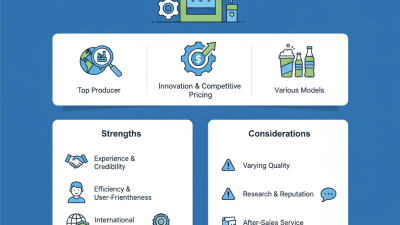
A typical vend cycle combines product selection, payment authorization, inventory verification, controlled dispensing, and transaction confirmation. The chart shows the operational sequence position rather than time or performance data. Combination machines can manage multiple product formats, such as snacks, beverages, and other packaged items, through one integrated interface.

Key Benefits of Choosing a Combination Vending Machine

A combination vending machine brings snacks, chilled drinks, and everyday essentials into one compact unit. This arrangement helps workplaces, schools, hotels, and residential buildings serve different needs without installing several machines. In a busy lobby, one payment screen and one collection area can make purchasing quicker. Less floor space is used.

The strongest benefit is product variety. Users may choose bottled water, granola bars, fruit snacks, tissues, or other approved convenience items from one location. Operators can adjust selections by reviewing sales data and observing demand at different times. A machine near a night shift area may need more drinks, while a study hall may require healthier snacks. Remote monitoring can also show low inventory and temperature warnings, supporting more dependable restocking.

However, the choice is not flawless. A larger product mix can make loading and cleaning more complicated. Refrigerated sections may require careful temperature checks, and slow-selling items can occupy valuable slots. Clear labels, accessible controls, secure payment processing, and regular maintenance matter greatly. Staff should inspect expiry dates, payment functions, lighting, and dispensing accuracy on a fixed schedule. A practical trial period is wise. It may reveal that popular assumptions do not match real purchasing habits.

Why Choose a Combination Vending Machine? - Key Benefits of Choosing a Combination Vending Machine

Evaluation Dimension Combination Vending Machine Single-Category Machine Key Benefit
Product Variety Can offer multiple product categories, such as packaged snacks, bottled drinks, canned beverages, and small convenience items. Usually focuses on one primary category, limiting the range of products available at one location. Creates a more complete self-service offering for users with different purchasing needs.
Use of Floor Space Combines several product functions within one cabinet and one customer-facing footprint. Multiple machines may be required to provide a similar product mix, increasing the total occupied area. Helps make better use of compact areas such as offices, schools, transport facilities, hotels, and waiting areas.
Customer Convenience Allows customers to purchase different types of products during the same visit and from the same interface. Customers may need to use separate machines to purchase different product categories. Reduces unnecessary movement and supports faster, more convenient purchasing.
Inventory Flexibility Product selections can be adjusted by shelf, column, or compartment according to local demand and available stock. The available assortment is more closely tied to the machine’s intended category. Makes it easier to test different products and respond to changing customer preferences.
Demand Coverage Serves customers looking for both refreshments and quick food or convenience items. Serves a narrower demand pattern and may not meet all immediate purchasing needs. Improves the likelihood that one machine can satisfy a wider range of customers.
Installation Planning Requires one planned installation point, subject to the machine’s dimensions, electrical needs, access requirements, and product configuration. Additional machines may require more floor planning, power access, and placement coordination. Can simplify site planning when a broad product mix is needed in a limited area.
Restocking Efficiency A single service point can be used to replenish several product categories, although each category may have different storage and handling requirements. Restocking tasks may be distributed across multiple machines when several categories are offered. May reduce the number of machines that need to be checked at the same location.
Revenue Opportunity Provides more opportunities to generate sales from complementary categories, such as a drink and a snack. Sales depend mainly on demand for the machine’s single product category. Can broaden the potential transaction mix, while actual results depend on location, pricing, product selection, and operating costs.
Payment and User Interface A properly configured unit can provide one payment and selection process for multiple product types. Separate machines may have separate selection and payment processes. Offers a more unified purchasing experience and may simplify customer interaction.
Best-Fit Locations Suitable for locations with mixed demand, moderate foot traffic, limited space, or a need for round-the-clock access to several product types. Suitable when demand is highly concentrated in one category or when a specialized product format is required. Provides a versatile option for sites that need convenience without installing several specialized machines.

Note: Actual capacity, energy use, product compatibility, temperature control, payment options, and operating costs vary by machine configuration, site conditions, product mix, and local regulations.

Products and Locations Best Suited to Combination Vending Machines

Why Choose a Combination Vending Machine?

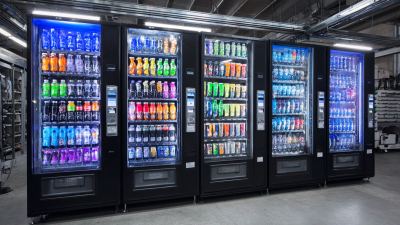
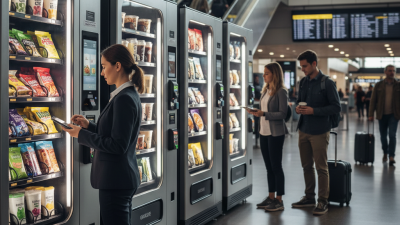
Products and locations determine whether a combination vending machine earns its footprint. These machines combine snacks, chilled drinks, and sometimes healthier options in one cabinet. That mix suits workplaces, apartment lobbies, schools, hospitals, and transport areas where customers want quick variety.

NAMA’s 2023 State of the Industry report valued the U.S. convenience services market at about $26.6 billion in 2022. This figure shows strong demand for convenient purchasing, but it does not guarantee success at every site. A quiet office may need coffee, water, and small snacks. A busy factory may require larger drinks, protein bars, and filling meals. Product selection should follow shift times, local preferences, and storage limits.

Location matters more than machine size. High-traffic areas with short waiting periods can support broader product ranges. A machine near a reception desk needs low noise and a compact design. Outdoor placement requires weather protection, reliable cooling, and secure installation. Grand View Research has reported continued global growth in the vending machine market, with technology and cashless payments supporting expansion. Still, growth forecasts are not a substitute for site testing.

Start with a small product set. Track sales by hour. Remove slow items quickly. Some operators overfill combination machines because variety looks attractive. That can create expired stock and wasted capital. The better choice may be less impressive, but more responsive. A practical review after four weeks often reveals what the original plan missed.

Factors to Consider Before Choosing One

A combination vending machine can serve snacks and drinks in one compact location. Before choosing one, study the people who will use it. A school hallway needs different options from a late-shift warehouse. Watch traffic for several days, not just one busy afternoon. Record peak times, preferred products, and empty selections. Small details matter. I once underestimated demand for water near a fitness room, while sugary drinks remained untouched. That mistake tied up cash and shelf space.

Check capacity, temperature control, and product flexibility. Shelves should hold the package sizes you actually plan to sell. Adjustable spirals can reduce gaps, but they may not suit every item. For chilled products, ask how evenly the cabinet maintains temperature. Review energy use, noise levels, and cleaning access. A machine beside a quiet office may need a softer compressor. Request service records and a clear repair process. Reliable support matters more than a polished display when a payment reader fails.

Calculate the full cost, including delivery, installation, electricity, payment fees, restocking labor, and expected waste. Compare realistic sales, not optimistic forecasts. Confirm accessibility, safe placement, lighting, and stable network coverage. Test the interface with different users before committing. It should be simple for a tired worker or someone with limited mobility. I would also leave room for revision. Product preferences change, and my first layout would not be perfect. A short trial can reveal problems that a brochure never shows.