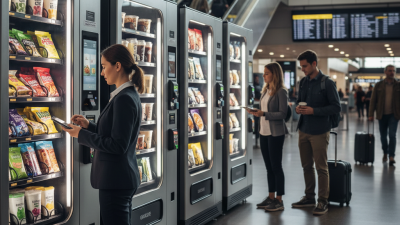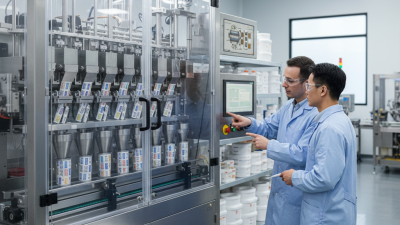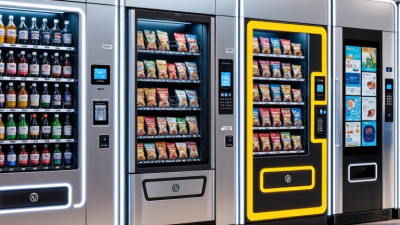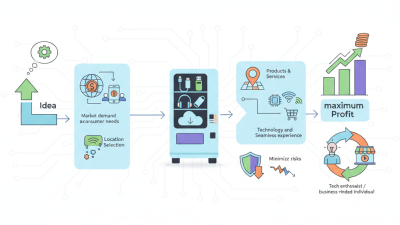
A vending machine may look simple, but it operates like a small retail store. It manages payments, inventory, temperature, security, and customer expectations every day. When one component fails, a quiet corner can quickly become a lost-sales point. This is why vending machine support matters to operators, customers, and business partners.
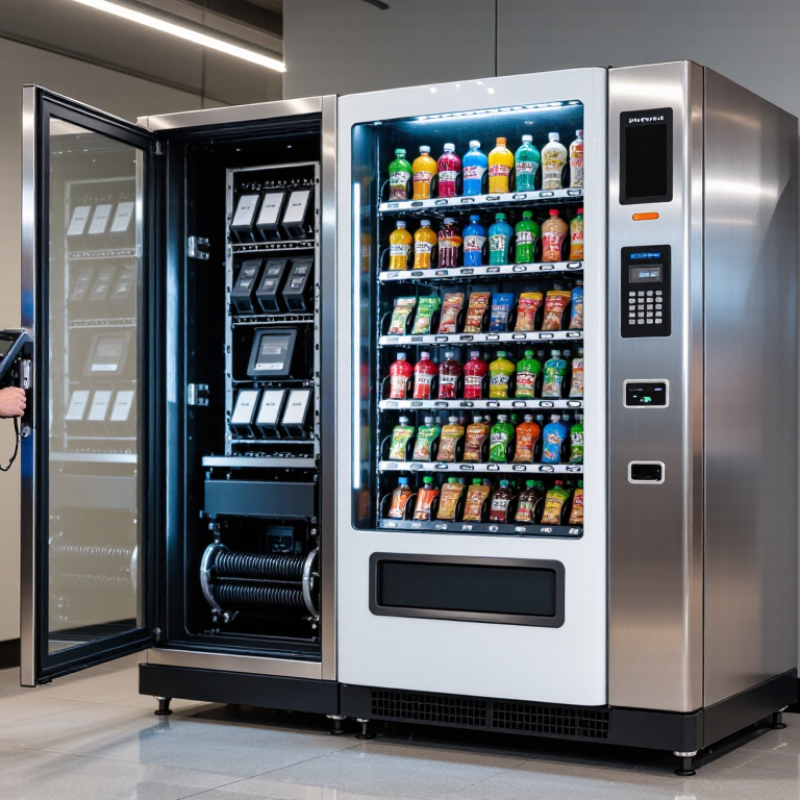
Reliable support combines practical experience with technical knowledge. Trained professionals can inspect payment readers, cooling systems, motors, screens, and network connections. They can also identify early warning signs, such as unusual noise, slow dispensing, or repeated transaction errors. Small failures matter. A machine that accepts payment but does not release a product can damage customer trust immediately.
Good support also protects product quality and operational consistency. Technicians should follow manufacturer guidance, document repairs, and respect applicable safety, accessibility, and consumer-protection requirements. Clear maintenance records help operators understand recurring problems instead of repeatedly treating symptoms. Remote monitoring may reveal an empty selection, while an on-site visit may uncover a loose connection behind the panel. Both forms of assistance have value.
No support plan is perfect. Some repairs take longer than expected, and replacement parts may not arrive quickly. That reality deserves honest communication. Operators should choose providers with transparent service terms, responsive communication, and evidence of relevant experience. Customers notice clean machines, accurate prices, functioning payment options, and quick problem resolution. In a competitive environment, dependable vending machine support is not merely a repair expense. It is part of the service experience, the brand’s credibility, and the machine’s long-term return.
Vending machine support is more than repairing a jammed spiral. It covers maintenance, payment troubleshooting, stock control, cleaning, and customer assistance. A failed payment reader can leave a customer waiting beside a silent machine. That small failure can damage trust quickly.
The 2023 NAMA Convenience Services Industry Census reported U.S. vending sales of about $18.2 billion in 2022. That scale makes reliable support a business requirement, not an optional service. Technicians should inspect motors, cooling systems, screens, coin paths, and electrical connections. Remote monitoring can flag low inventory or temperature changes before a complaint arrives. Still, data is not perfect. Sensors can miss a product stuck behind another item.
Support also includes clear refund procedures, accessible controls, safe placement, and documented service visits. Technicians need practical experience with different product sizes and payment conditions. Reports from Grand View Research identify cashless payment adoption as a major vending market trend. However, operators should not remove cash options without studying local customer needs. Convenience is not identical everywhere.
Check high-use machines weekly. Clean payment areas daily. Record every fault, including minor delays. Review failed transactions, refill timing, and customer comments each month. A simple log often reveals patterns that software overlooks. Be willing to revise the route. The first plan may be wrong.
Vending machine support keeps everyday service steady and predictable. In real operations, small faults can quickly become lost sales. A stuck coin mechanism, empty receipt roll, or weak cooling fan may stop a machine completely. Experienced support teams inspect these details before they become expensive failures. They can test payment systems, check temperature readings, and replace worn parts safely. Fast assistance also protects customer trust. People expect a simple purchase, not a dark screen or rejected payment.
Effective support combines remote guidance, scheduled maintenance, and on-site repair. Technicians can review error codes and machine logs before arriving. This saves time and helps them carry the correct parts. Cleaning sensors and checking electrical connections also reduce repeated faults. Reliable service records should include repair dates, replaced components, and safety observations. These records support better decisions and reveal patterns, such as failures during hot afternoons. Still, no maintenance plan is perfect. A missed warning or delayed inspection can expose weak procedures. That is why support teams should review incidents honestly and adjust their routines.
Tips: Keep a simple maintenance log. Check cooling performance, payment response, and product availability each day. Report unusual sounds early, even when the machine still works. Train staff to disconnect power before basic cleaning. Small habits matter.
Technical support keeps a vending machine earning when small faults appear. A frozen payment screen, empty change tube, or failed cooling sensor can stop sales within minutes. Remote diagnostics may identify the issue before a technician travels to the site. This reduces unnecessary visits, fuel use, and lost revenue.
The Uptime Institute’s 2024 Annual Outage Analysis reported that 54% of serious outages cost more than $100,000. A vending machine outage is usually smaller, but repeated failures can quietly create the same financial pressure. McKinsey reports that predictive maintenance can reduce downtime by 30–50% and maintenance costs by 10–40%. For vending operators, temperature alerts, payment logs, and inventory data can support earlier action. A technician might reset software remotely, replace a failed sensor, or send the correct spare part on the first visit. That detail matters.
Tips: Record the error code, time, product temperature, and payment symptoms before requesting help. Keep common parts available, but review the list every quarter. Not every alert needs an urgent visit. Yet ignoring repeated warnings is expensive. Support teams should track repair time, repeat faults, and sales lost during outages. These figures reveal weak points across a machine route. The process will not be perfect. Connectivity can fail, and remote advice can misread a physical problem. Regular testing and clear escalation rules help limit that risk.
How technical assistance reduces downtime and operating costs
Faster technical assistance helps operators restore machines sooner and avoid repeated service visits. In this operational benchmark model, 24/7 remote support reduces estimated monthly downtime by about 72% and lowers the normalized maintenance cost index by about 45% compared with having no dedicated support.
Customer service shapes the vending experience long after a machine is installed. A failed payment, empty spiral, or jammed product can turn convenience into frustration. Good support gives users a clear path when the screen stops responding. It also shows that the operator values time, safety, and trust. Small details matter. A visible help number, readable instructions, and accurate refund process reduce uncertainty.
During a routine site check, I watched a customer report a card charge after the product failed to drop. The machine displayed a reference number, and support answered within minutes. That response did more than protect a sale. It restored confidence in the next purchase. Support teams should record the machine location, error code, payment method, and time. These details help technicians identify repeated faults instead of guessing. Maintenance records can reveal weak coils, low stock, or cooling problems before complaints increase.
Support is not automatically effective. A fast reply with no useful action feels like delay. I have also seen clear instructions fail because the text was too small or the contact channel was outdated. That is easy to overlook. Operators should test support from a user’s perspective, including evenings and busy periods. Service quality improves when teams review refund times, repeat failures, and customer comments. Honest feedback may expose an inconvenient truth: the machine is convenient only when support works.
Why Is Vending Machine Support Important?
A vending machine can lose sales after one failed payment, empty spiral, or temperature warning. Reliable support reduces downtime and protects the customer experience. When evaluating a support provider, examine its response process, not just its promises. Ask whether help is available during evenings, weekends, and busy locations. A clear service agreement should state response times, repair targets, escalation steps, and reporting methods.
Look for technicians with practical experience in refrigeration, payment systems, software, and mechanical faults. Ask how they diagnose problems remotely before sending a technician. Good providers use error logs, photos, and machine alerts to identify likely causes. They should also keep common replacement parts available. Delays often happen because a small sensor is missing. Check whether the provider records each repair and explains the issue in plain language. That record supports accountability and future maintenance planning.
Tips: Request two recent service examples, including the original fault, response time, repair action, and final result. Test the help desk with a realistic question before signing. Notice whether the answer is specific or vague. Review training records, safety procedures, data handling practices, and technician coverage in your operating area. A low price may look attractive, but it can hide slower visits or repeated repairs. I have found that even strong providers sometimes underestimate peak-season demand, so ask how they adjust staffing. Clear communication is not glamorous. It prevents small faults from becoming expensive interruptions.
| Evaluation Dimension | Why It Matters | Recommended Evaluation Metric | Practical Benchmark | Evidence to Request |
|---|---|---|---|---|
| Machine Uptime | Higher uptime protects sales availability and customer satisfaction. | Percentage of scheduled operating time when machines are available for purchases. | At least 98% monthly uptime | Service-level agreement, monthly uptime reports, and downtime records. |
| Initial Response Time | Fast acknowledgement reduces the time a machine remains unavailable. | Time from fault submission to confirmation by a support representative. | Within 4 business hours for standard faults | Ticketing policy, support logs, and sample response-time reports. |
| Critical Fault Response | Payment failures, refrigeration faults, and safety issues can stop sales immediately. | Time to acknowledge and prioritize a critical incident. | Within 1 hour, with priority escalation | Critical-incident procedure, escalation contacts, and service records. |
| Mean Time to Repair | Shorter repair times limit lost transactions and repeated customer complaints. | Average time from technician dispatch to restoration of normal operation. | Within 24 hours where parts and access are available | Repair-time statistics segmented by fault type and location. |
| Preventive Maintenance | Scheduled inspections help prevent avoidable breakdowns and maintain hygiene. | Completion rate for planned maintenance visits and inspection tasks. | At least 95% of scheduled tasks completed on time | Maintenance calendar, inspection checklist, and completion history. |
| Spare Parts Availability | Common parts in stock reduce delays caused by repeated visits or special orders. | Availability of frequently replaced components and average parts fulfillment time. | Common parts available; standard fulfillment within 3 business days | Parts inventory policy, fulfillment records, and back-order process. |
| Remote Monitoring | Remote alerts can identify low stock, temperature problems, connectivity loss, and payment errors. | Percentage of machines connected and alerts delivered to the support team. | At least 95% connectivity for monitored machines | Live dashboard demonstration, alert history, and connectivity reports. |
| Payment System Support | Payment interruptions directly affect completed transactions and revenue. | Fault resolution coverage for cash, card, contactless, and refund functions. | Documented support for every installed payment method | Payment troubleshooting guide, refund workflow, and transaction-failure reports. |
| Refrigeration and Food Safety | Temperature control and sanitation are essential for products that require chilled storage. | Temperature monitoring, alarm handling, cleaning frequency, and corrective-action records. | Documented checks at every scheduled service visit | Temperature logs, cleaning procedures, technician training records, and incident reports. |
| Customer Support Coverage | Clear support channels make it easier to report faults and track progress. | Availability of phone, email, ticketing, and emergency support. | At least two support channels plus an emergency process | Contact directory, operating hours, ticket examples, and escalation map. |
| Reporting and Transparency | Reliable reports help operators identify recurring problems and measure service quality. | Accuracy and frequency of uptime, repair, inventory, and sales-related service reports. | Monthly reports with machine-level detail | Sample dashboard, downloadable reports, and data-retention policy. |
| Contract and Escalation Terms | Defined responsibilities prevent disputes over labor, travel, parts, software, and emergency work. | Clarity of service scope, exclusions, fees, renewal terms, and escalation rights. | Written SLA with measurable remedies and transparent fees | Full service agreement, SLA remedies, fee schedule, warranty terms, and termination clauses. |