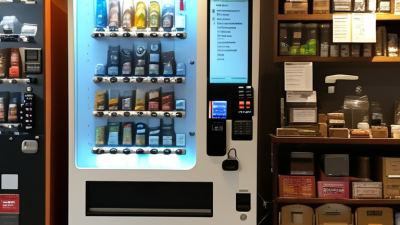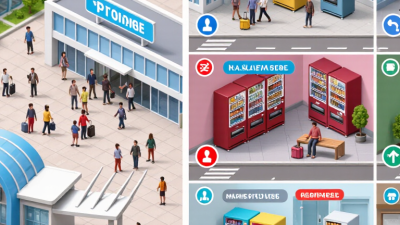
The best vending options for 2026 will depend less on flashy screens and more on what people actually need at a given location. A chilled machine beside a busy gym serves a different purpose from a coffee station in an office lobby. Small details matter: reliable temperature control, clear product labels, tap-to-pay checkout, and shelves stocked with items customers want. Convenience must feel real.
NAMA spokesperson Jeff Lenard has discussed vending’s role in providing convenient access to products. A fair paraphrase of that principle is: “Convenience works best when it meets a genuine customer need.” That is a useful test for any operator weighing smart machines, fresh-food service, micro markets, or traditional snack and beverage setups. Technology can improve restocking and simplify payment, but it cannot rescue a poor product mix. Sometimes, a simple machine in the right place wins.
This guide explores vending options for workplaces, schools, healthcare settings, and public spaces, while considering budget, service needs, and customer habits. It also looks at practical trade-offs, such as fresh-food variety versus spoilage risk, and connected equipment versus maintenance demands. No single setup suits every site. Even a well-planned choice may need adjustment after real customers start using it. That uncertainty is worth admitting. The strongest 2026 strategy is not the most complicated one; it is the one operators can maintain and customers return to.
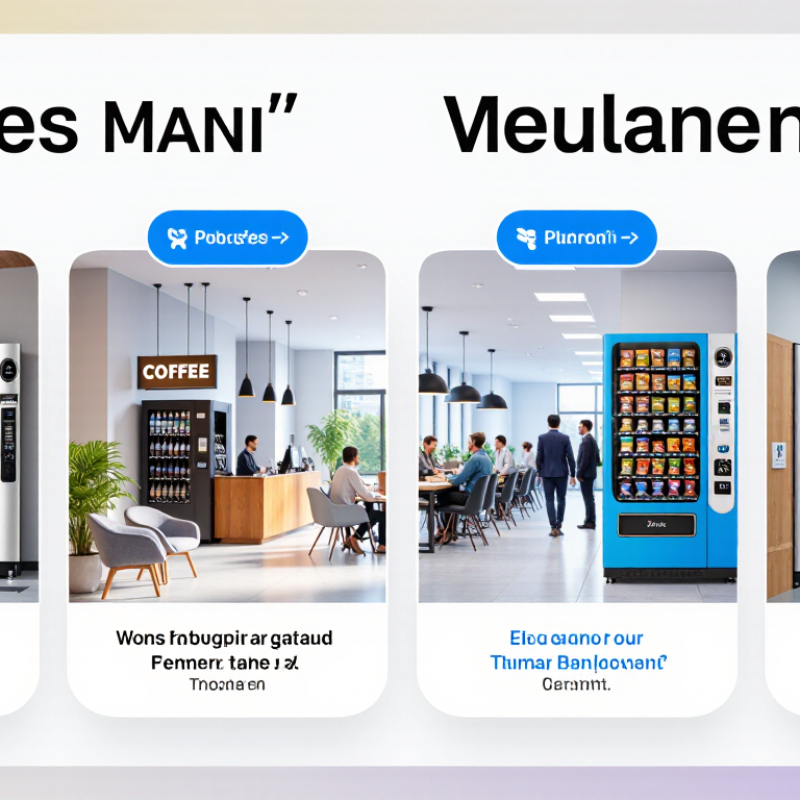
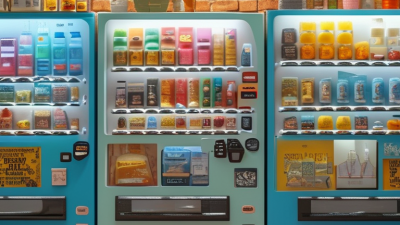
In 2026, vending machines serve more than chips and bottled drinks. Standard snack-and-beverage machines still suit offices, campuses, and transit stops. They offer familiar products, simple restocking, and compact footprints. A row of water bottles beside nuts can meet quick needs. Keep it practical.
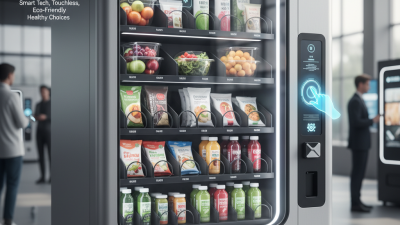
Fresh-food machines hold salads, sandwiches, yogurt, or prepared meals in temperature-controlled compartments. They can help where nearby lunch options are limited, but require dependable refrigeration and frequent stock checks. Coffee machines range from basic hot-drink units to systems that grind beans and offer several choices. Expect cleaning work. Clear ingredient and allergen information matters, especially when recipes or suppliers change.
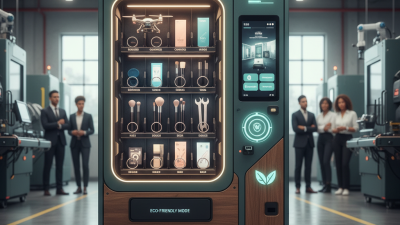
Other options include personal-care and office-supply machines that dispense tissues, chargers, notebooks, or safety glasses. Smart lockers offer a different format: customers collect preloaded orders from secured compartments. Some machines accept cashless payments and send remote inventory alerts, helping operators spot empty spirals or low stock. Technology is useful, not magic. Connectivity can fail, and screens need upkeep. Match the machine to foot traffic, product shelf life, refill access, and the people who will use it. A unit beside a quiet corridor may look convenient, yet sit untouched.
What Are the Best Vending Options for 2026?
Key Criteria for Comparing Vending Options
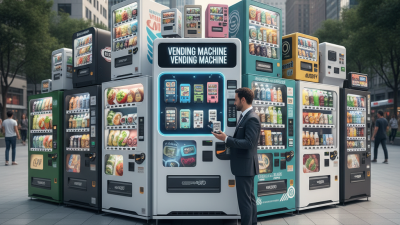
A vending option succeeds when it fits the location, not just the latest technology. Start with foot traffic, available floor space, and the people using the site. A compact machine may suit a quiet office hallway, while a larger self-service setup may work better near a busy break room. Match product capacity to restocking frequency. A machine that looks impressive but sits half-empty is not a good fit. Then check power needs, accessibility, payment methods, and how clearly prices appear on the screen. Small details matter.
Compare the full operating picture, too. Ask how sales and inventory data are reported, who responds to faults, and how quickly common items can be replenished. Look for clear service terms and practical safeguards for customer data. Energy use and refrigeration performance deserve attention, especially in warm or high-traffic spaces. I would treat projected sales as estimates, not promises; local habits can be hard to predict. Request a realistic trial period if available, and note what happens when a payment fails or a popular item sells out. Convenience is valuable, but dependable service usually matters more.
Compare common vending formats against practical selection criteria. Scores are qualitative ratings from 1 (low) to 5 (high), based on typical format characteristics; actual capabilities vary by installation.
Use these ratings as a starting point: the best option depends on available space, product mix, service needs, and the people using the site.
What Are the Best Vending Options for 2026?
Best Product Categories for Modern Vending
Modern vending succeeds when products match the place and the hour. In an office, chilled meals, yogurt, fruit, and filling snack packs can serve rushed lunch breaks. Gyms may favor water, electrolyte drinks, and protein snacks, while transit sites need quick-grab items with reliable packaging. The National Automatic Merchandising Association’s 2024 State of the Industry report estimated U.S. convenience-services sales at $26.6 billion in 2023. That figure covers more than vending alone, so it signals a broad market—not guaranteed demand at every machine. Convenience matters. Track what sells by location before expanding a category.
Tips: Start with a small mix of fresh meals, familiar snacks, and drinks. Check expiration dates and refill patterns weekly. Test, then adjust. A neat row of colorful options looks inviting, but appearance cannot rescue products people do not want. Review sales alongside time of day, nearby food choices, and customer feedback. One slow month may reflect holidays or shift changes, not a failed product.
For modern machines, prioritize dependable, easy-to-use staples and rotate a few local or seasonal choices. Keep dietary variety visible, including lower-sugar and plant-based options, without assuming one label fits everyone. Fresh food can attract repeat visits, but spoilage and refrigeration require close management. Be cautious with forecasts: small sites can behave unpredictably.
A practical comparison of product categories, suitable locations, storage needs, and key operating considerations.
| Product Category | Examples | Suitable Locations | Storage and Equipment | Why It Can Work | Key Considerations |
|---|---|---|---|---|---|
| Bottled and Canned Drinks | Water, sparkling water, soft drinks, juice, and sports drinks | Offices, schools where permitted, transit areas, gyms, and public venues | Ambient or refrigerated machine, depending on the product | Familiar, single-serve products suit quick purchases and a wide range of locations. | Manage package sizes, recycling requirements, temperature settings, and local rules for beverages with age or sales restrictions. |
| Packaged Snacks | Crackers, pretzels, popcorn, cookies, nuts, and snack bars | Workplaces, campuses, waiting areas, hotels, and recreation facilities | Usually an ambient snack machine; protect products from heat and moisture. | Packaged items are easy to stock, portioned for convenience, and often have longer shelf life than fresh foods. | Check allergens and package labels, rotate stock by date, and offer a mix of portion sizes and product types. |
| Better-for-You Snacks | Dried fruit, unsweetened snacks, whole-grain crackers, and nut or seed mixes | Offices, fitness centers, campuses, and healthcare waiting areas | Generally ambient; some items need protection from heat or light. | Provides alternatives for customers seeking different ingredients or snack styles. | Use accurate product descriptions and nutrition information; avoid implying that a product is suitable for every dietary need. |
| Fresh and Chilled Foods | Sandwiches, salads, yogurt, fruit cups, and prepared meals | Large workplaces, hospitals, campuses, and sites with limited nearby food options | Refrigerated equipment with appropriate temperature monitoring and cleaning procedures | Can serve customers looking for a meal or fresh item when cafeterias and shops are closed or unavailable. | Requires dependable refrigeration, frequent restocking, date rotation, and food-safety controls appropriate to local regulations. |
| Coffee and Hot Drinks | Drip coffee, espresso-style drinks, tea, and hot chocolate | Offices, hotels, campuses, transport hubs, and healthcare facilities | Hot-drink machine with water supply or refillable reservoir; routine cleaning is essential. | Useful in locations where customers want a warm drink throughout the day. | Plan for water quality, cup and ingredient replenishment, sanitation, and maintenance of heating and dispensing components. |
| Personal-Care Essentials | Tissues, sanitary products, travel-size toiletries, and basic first-aid supplies | Restrooms, hotels, campuses, transit facilities, and event venues | Typically ambient; compact products may suit a small-format machine. | Addresses occasional, immediate needs in places where a nearby store may not be convenient. | Choose products suited to the setting, keep packaging clearly identifiable, and follow rules for regulated health-related items. |
| Phone and Travel Accessories | Charging cables, wall adapters, earbuds, travel-size umbrellas, and luggage essentials | Airports, hotels, transit stations, campuses, and conference venues | Secure machine with adjustable compartments for varied package sizes | Convenient for customers who need a replacement or travel item outside normal retail hours. | Use clear compatibility details, secure higher-value stock, and check electrical-product safety requirements that apply locally. |
| Protective and Work Essentials | Disposable gloves, earplugs, safety glasses, masks, and basic work supplies | Factories, warehouses, laboratories, and large maintenance sites | Ambient machine; select compartments that fit the products and packaging. | Can make frequently needed supplies accessible near the point of use. | Match products to workplace requirements; a vending machine does not replace training, hazard assessment, or required safety procedures. |
Selection depends on location, customer demand, local regulations, machine capabilities, and the operator’s ability to restock and maintain products. Perishable and temperature-sensitive items require appropriate food-safety controls.
A strong vending setup in 2026 does more than accept digital payments. It helps operators spot problems before customers do. Remote monitoring can flag low stock, temperature changes, or a machine that has stopped responding. Staff can then plan a focused visit instead of checking every location on a fixed schedule. That sounds simple. It isn’t.
Reliable inventory data depends on sensors and regular checks. A spiral that fails to drop a snack can create a mismatch between recorded and actual stock. Reviewing sales alongside service notes helps reveal recurring issues, such as one product slot jamming during busy hours. Cashless readers and clear on-screen instructions also reduce friction, but payment options should be tested during installation and after updates. Small failures matter.
For refrigerated machines, temperature alerts can support safer product handling, though they do not replace routine inspections or proper maintenance. Touchscreens may display nutrition details or flag unavailable items, while accessible controls make the experience easier for more customers. Collect only the operational data needed, and protect account access with strong passwords and limited permissions. Smart features can improve performance, but a poorly maintained machine remains poorly maintained. A weekly review of alerts, refunds, and restocking records can show where technology is helping—and where staff still need to investigate.
The best vending option in 2026 depends on the location, its visitors, and the hours they are there. A machine beside a hospital waiting area may need water, familiar snacks, and prices that are easy to read. In an office lobby, coffee or quick breakfast items might matter more during weekday mornings. Observe the space before choosing. Rushes can mislead.
Check who passes the machine, when they pass, and whether they have time to stop. A narrow hallway may call for a compact unit that does not block foot traffic. A busy break room can support more choices, but only if someone can restock them regularly. Look for a nearby power source and enough clearance for deliveries. Ask staff what people request; their answers may reveal gaps that a sales estimate misses.
Payment options, product temperature, and service needs also shape the choice. A chilled-drink machine suits a warm recreation area, while a mixed-product unit may fit a school or workplace with varied schedules. Confirm that the operator can maintain the equipment and track stock reliably. Start with a modest selection, then review sales and feedback after several weeks. I would not treat one strong week as proof of lasting demand; holidays, weather, and schedule changes can distort the picture.