China Top 10 Combo Vending Machine Manufacturers?

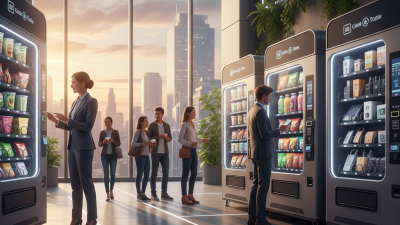
China’s Top 10 Combo Vending Machine Manufacturers deserve careful comparison, not simple ranking. Combo vending machines combine snacks, beverages, and sometimes fresh products in one compact cabinet. That design suits factories, schools, hospitals, offices, and transport locations with limited floor space.

Grand View Research valued the global vending machine market at approximately USD 21.84 billion in 2023. Its report also forecasts strong growth through 2030. Fortune Business Insights reports a similar expansion trend, although market definitions and regional coverage differ. This matters. Many reports measure all vending machines, not combo vending machines alone.

NAMA President and CEO Eric Dell has described vending as “a convenient, technology-enabled retail channel.” His observation fits today’s market. Buyers now expect cashless payment, remote monitoring, energy-efficient cooling, and clear product visibility. A machine may look attractive, yet weak after-sales service can quickly create downtime, stockouts, and customer complaints.

China remains a major manufacturing base for this equipment. Its suppliers often compete through customization, export experience, software integration, and pricing. However, factory scale does not automatically prove reliability. A serious evaluation should examine certifications, temperature control, payment compatibility, spare-parts supply, warranty terms, and verified installations.

The ranking should stay practical.

It should also admit uncertainty. Public data rarely separates combo vending machines from broader vending categories. Therefore, this guide compares manufacturers through product capability, quality control, market experience, technology, and customer support. Those factors offer a more useful buying perspective than marketing claims alone.
China Top 10 Combo Vending Machine Manufacturers?

What Is a Combo Vending Machine?

What Is a Combo Vending Machine?

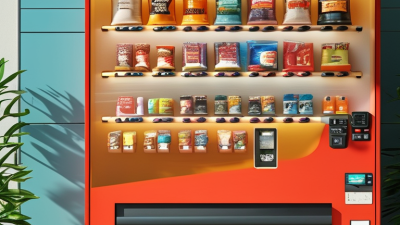
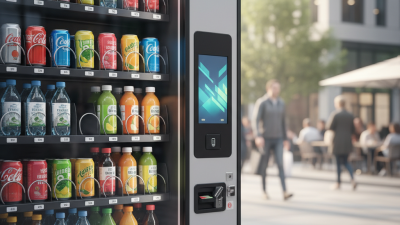
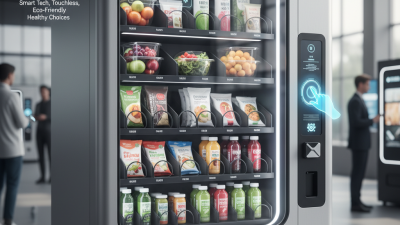
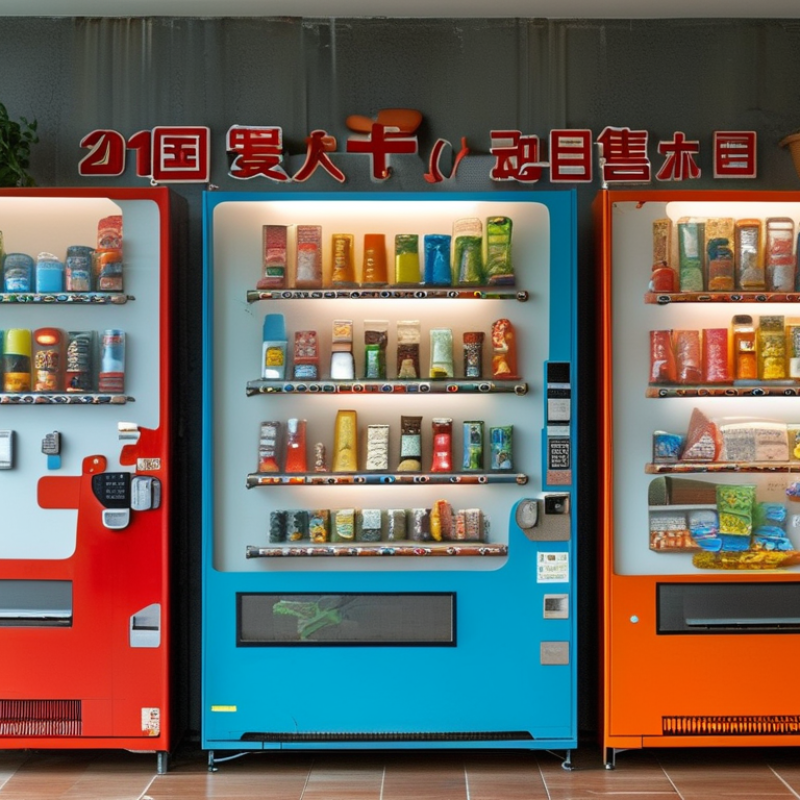
A combo vending machine combines snack and beverage sales in one self-service cabinet. It may offer bottled water, canned drinks, packaged food, and small convenience items. Separate product zones help maintain different storage needs. A refrigerated section protects drinks and selected foods. Spiral coils or lifting trays release products after payment. Modern models may support cashless payments, remote monitoring, and stock alerts.

In practical evaluations, layout often matters more than screen size. Customers need clear product labels and simple selections. Operators should check cooling performance, motor strength, payment reliability, and cleaning access. A machine placed near offices may need more drinks. A school or transport site may require smaller portions and stronger safety controls. One assumption deserves reconsideration: bigger capacity does not always mean better results. Slow-moving products can occupy valuable space and increase waste. Machines also need regular inspection, even when sales appear stable.

Tips: Measure the location before choosing a cabinet. Leave space for door opening and service access. Test payment functions with several methods. Record temperature checks and refill times. Review sales data weekly, but do not trust one busy day. Some product choices may fail. That failure can reveal what customers actually need. Reliable operation comes from disciplined maintenance, accurate inventory, and honest evaluation.

China Top 10 Combo Vending Machine Manufacturers? - What Is a Combo Vending Machine?

A combo vending machine combines multiple product categories, commonly snacks and beverages, in one cabinet. The table below summarizes the main technical and purchasing dimensions used to evaluate manufacturers and machines without displaying company or brand information.
Evaluation Dimension Typical Specification or Range What It Means for a Combo Vending Machine Recommended Verification Point
1. Machine Concept Snack-and-beverage combination cabinet One machine can sell packaged snacks, bottled drinks, cans, and other compatible items. Confirm that the internal layout supports both product categories without reducing product stability.
2. Product Capacity Commonly about 30–60 selections; total capacity varies by layout More selections allow greater product variety, while larger packages reduce the number of units held. Request a shelf-by-shelf capacity chart based on the actual package dimensions.
3. Product Compatibility Packaged goods with size and weight limits Spiral coils, trays, or conveyors must match the shape, weight, and packaging of the products. Test the smallest, largest, lightest, and heaviest intended products before approval.
4. Refrigeration Often approximately 2–25°C for chilled-product configurations A refrigerated section can maintain chilled beverages, while ambient sections can hold products that do not require cooling. Check the actual temperature range, recovery time, insulation, and temperature monitoring method.
5. Product Delivery Motorized coil, elevator, conveyor, or drop-delivery system The delivery mechanism affects product protection, vend success, noise, and compatibility with fragile items. Review vend-success testing and confirm anti-drop or product-protection functions where needed.
6. Payment Options Cash, bank card, QR payment, NFC, or combinations Multiple payment methods can improve customer convenience and support different operating regions. Verify local payment compatibility, transaction security, network requirements, and settlement procedures.
7. Control System Touchscreen or keypad with electronic control board The controller manages pricing, inventory settings, fault alerts, temperature, and payment communication. Ask whether pricing, product mapping, language, and error codes can be configured remotely or locally.
8. Remote Management Optional Ethernet, Wi-Fi, or cellular connectivity Telemetry can provide sales records, inventory information, temperature data, and fault notifications. Confirm data ownership, software fees, API availability, connectivity coverage, and dashboard functions.
9. Electrical Requirements Usually a single-phase commercial power supply; voltage varies by market Refrigeration, lighting, controls, and payment equipment determine the total electrical load. Obtain rated voltage, frequency, current, plug type, standby consumption, and required circuit protection.
10. Service and Compliance Warranty, spare parts, manuals, safety, and market-specific certification Reliable after-sales support reduces downtime and helps the machine meet local electrical and operational requirements. Verify warranty coverage, spare-parts availability, response time, installation support, and required certifications.
Selection note: Specifications differ by cabinet size, product layout, refrigeration design, payment system, and destination market. Confirm final values using the manufacturer’s current technical datasheet and a product sample test.

How to Evaluate Combo Vending Machine Manufacturers

How to Evaluate Combo Vending Machine Manufacturers

When evaluating China’s combo vending machine manufacturers, inspect more than product photos and advertised capacity. Request factory videos, production records, and recent quality-control reports. A reliable manufacturer should explain cabinet materials, cooling performance, payment compatibility, and software functions clearly. Vague answers deserve caution.

Ask how each machine is tested before shipment. Useful checks include temperature stability, door strength, motor accuracy, screen response, and power consumption. Request test results from the exact model you plan to purchase. Small details matter. A sample machine can reveal noisy compressors, weak hinges, or confusing user instructions. These problems may not appear in a polished catalog.

Experience also shows through after-sales support. Confirm spare-parts availability, remote troubleshooting, warranty terms, and technician response times. Ask for references from customers operating similar machines in comparable climates. A professional supplier should provide installation guides and practical maintenance schedules. However, references can be selective, so verify them independently. No scorecard is perfect. I would also compare total ownership cost, not only the purchase price. Shipping, software fees, repairs, energy use, and payment-system integration can change the final figure. Before signing, document every specification, delivery condition, and acceptance test. That written record protects both sides when expectations differ.

China Top 10 Combo Vending Machine Manufacturers? How to Evaluate Manufacturers

Suggested evaluation weighting for comparing combo vending machine suppliers without relying on brand-specific data.

Product reliability and customization usually have the greatest influence on long-term vending performance. Buyers should also verify certifications, manufacturing capacity, after-sales support, spare-parts availability, delivery capability, and the total cost of ownership before selecting a supplier.

Top 10 Combo Vending Machine Manufacturers in China

China’s top 10 combo vending machine manufacturers serve retail stores, offices, schools, transport hubs, and residential communities. Their machines combine snacks, drinks, and other lawful daily goods in one cabinet. This design saves floor space and simplifies inventory management.

A reliable comparison should examine factory experience, product customization, and after-sales support. The strongest manufacturers usually offer refrigerated and ambient-temperature compartments, adjustable shelves, touchscreen controls, and cashless payment options.

Check whether the cooling system maintains stable temperatures during summer operation. Also inspect door seals, compressor quality, wiring protection, and remote monitoring functions.

The ten manufacturers selected for this guide should be assessed through factory audits, sample testing, and customer references. Ask for clear information about production capacity, spare parts, warranty periods, and delivery schedules.

Certifications for electrical safety, electromagnetic compatibility, and food-related operation may be necessary for different markets. Export packaging also matters; weak corner protection can cause damage before installation.

Real experience shows that software integration is often less predictable than the cabinet itself. A machine may look polished but provide limited data access. That deserves attention.

Some suppliers respond quickly before payment, then slowly handle technical issues. Buyers should test communication and repair procedures before signing a large order.

Pricing is important, but stable cooling, dependable payment systems, and accessible parts usually affect long-term operating costs more. The best choice depends on location, product mix, expected traffic, and local compliance requirements.

Key Products and Strengths of Each Manufacturer

China’s top 10 combo vending machine manufacturers compete through different product strengths. One focuses on compact snack-and-drink cabinets for offices. Another builds refrigerated units for fresh meals. A third emphasizes touchscreen ordering and cashless payment. Several suppliers offer modular spirals, elevators, and adjustable shelves for mixed packaging.

Grand View Research reported that the global vending machine market was valued at over USD 20 billion in 2023. Its forecast also indicates strong growth through 2030. This supports demand for connected equipment, but hardware quality still matters. Strong manufacturers use insulated cabinets, stable cooling systems, anti-jam motors, and remote inventory monitoring. Some provide outdoor models with sun-resistant panels and reinforced locks. Others specialize in export-ready voltage options and multilingual software.

Not every supplier excels in every area. That matters. Large factories usually offer better customization and production capacity. Smaller specialists may respond faster to sample changes and interface requests. Buyers should compare compressor performance, payment compatibility, spare-part access, and warranty response times. A 2024 market analysis by Mordor Intelligence also highlights automation and digital payments as major growth drivers. Yet field testing remains essential. A machine may look advanced, but slow restocking or unreliable sensors can weaken its real value. Clear product documentation and transparent testing records remain practical signs of professional manufacturing.

How to Choose the Right Chinese Manufacturer for Your Needs

How to Choose the Right Chinese Combo Vending Machine Manufacturer

Choosing a Chinese combo vending machine manufacturer requires more than comparing online prices. Your decision should begin with the machine’s real operating environment. Will it sell chilled meals, drinks, snacks, or mixed products? Check capacity, temperature range, payment options, power supply, and delivery access. Ask for current product drawings and a clear list of included components. A polished catalog is not proof. Request videos of machines running in similar locations. In a previous sourcing review, a low quote hid expensive refrigeration upgrades. That mistake was avoidable.

Visit the factory online or in person when possible. Review production equipment, testing procedures, quality records, and staff experience. Ask whether key parts are sourced consistently and how defects are handled. Confirm food-contact materials, electrical safety documents, and certifications required in your destination market. Do not rely on vague claims. Request copies for independent verification. Discuss warranty coverage, spare-part availability, software support, installation, and response times. A cheap machine becomes costly when one sensor stops working.

Use a detailed contract with technical drawings, inspection standards, delivery terms, and payment milestones. A pre-shipment inspection can reveal weak seals, uneven doors, or unstable cooling. Consider ordering one pilot unit before a larger shipment. Communication quality matters too. Slow or unclear replies may create problems after payment. I would not treat every factory promise as false, but I would test each important promise. Even experienced buyers sometimes overlook local voltage, climate, or maintenance skills. Leave room for that reality.