What Are the Top 10 Types of Snack Vending Machines?
A snack vending machine is no longer limited to chips and candy beside a factory entrance. Today, operators can choose machines for offices, schools, hospitals, hotels, gyms, transport hubs, and outdoor locations. Each setting changes the best choice. Product temperature, shelf life, payment access, security, and cleaning requirements all matter.
This guide examines the top 10 types of snack vending machines, including traditional coil machines, refrigerated units, healthy snack models, combo machines, bulk dispensers, smart touchscreen systems, and specialized machines for fresh food. Some machines hold protein bars and bottled water. Others protect sandwiches behind chilled glass, while compact models fit into narrow office corridors. These details affect sales more than appearance alone.
The discussion is based on practical operating concerns and established vending principles. Reliable machines need regular restocking, temperature checks, payment testing, and visible maintenance records. Food safety should remain central, especially when products require refrigeration. Accessibility also deserves attention, from screen height to payment options and clear product labels. A machine may look modern but still perform poorly if customers cannot use it easily.
There is no universal winner. The most profitable model depends on foot traffic, customer habits, available power, and product demand. That conclusion sounds simple, but real locations are rarely predictable. Sales can change during holidays, weather shifts, or nearby construction. Some categories overlap, too. This guide compares their strengths, limitations, costs, and practical uses, helping readers make a more informed decision instead of choosing by appearance alone.
Definition and Basic Functions of Snack Vending Machines
What Are the Top 10 Types of Snack Vending Machines?
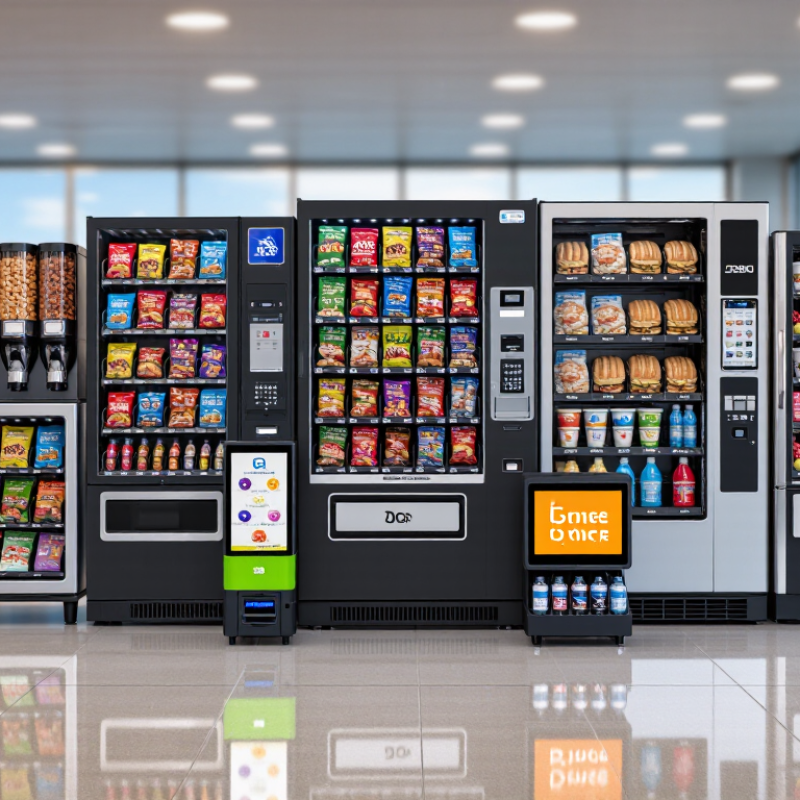
A snack vending machine is a self-service unit that stores, displays, and releases packaged food. Its basic job is simple: accept payment, confirm a selection, and dispense the item safely. Common types include spiral, conveyor, locker, glass-front, refrigerated, ambient, combination, touchscreen, modular, and smart inventory machines. Each design serves a different location and product range.
In daily use, the machine protects snacks from dust and unnecessary handling. Shelves or spirals keep products organized and visible. A motor moves the selected item toward a delivery tray. Sensors should confirm that the item dropped correctly. Many machines also show prices, stock status, and payment instructions. Some models control temperature, which helps preserve suitable products in warm environments. Operators can review sales data and refill popular items before shelves look empty. I have found that clear labels often matter more than a sophisticated screen.
Tips: Place the machine near steady foot traffic, but avoid blocking hallways. Check expiry dates and damaged packaging during every refill. Keep the payment area clean and easy to understand. Test the delivery tray regularly. A machine may look modern, yet poor lighting can make selections frustrating. Stock a balanced mix of familiar snacks and lighter options. Customer preferences change, so fixed assumptions deserve review. Availability, accessibility, and reliable maintenance usually influence satisfaction more than appearance.
Traditional Packaged Snack Vending Machines
Traditional packaged snack vending machines remain a practical choice among the top ten vending formats. They sell sealed chips, crackers, nuts, cookies, and nutrition bars through spirals or lift trays. Grand View Research valued the global vending machine market at USD 21.84 billion in 2022. It also projected a 10.7% compound annual growth rate from 2023 to 2030. Growth is encouraging, but location still matters more than a bright touchscreen.
Product selection should match the people nearby. Factory workers may prefer larger salty snacks during shift changes. Office users often choose smaller portions and lower-sugar options. Operators should test products for six to eight weeks. Track sales, refunds, stockouts, and expired items. Simple data wins. Load older packages in front and newer cartons behind them. Keep expiry dates visible. Many plans overvalue variety and undervalue refill discipline. That weakness deserves honest review.
NAMA’s 2023 State of the Industry report estimated U.S. vending sales at USD 18.6 billion in 2022. That figure shows the channel’s scale, not guaranteed profit. Telemetry can report inventory, payment status, and service alerts. However, weekly sales may shift after payroll days, rainstorms, or night shifts. Choose durable packaging, clear allergen information, and products with stable shelf life. Clean the delivery bay and touchpoints on every service route. Traditional machines are not glamorous. They are measurable, serviceable, and unforgiving when neglected.
Healthy Snack Vending Machines for Modern Dietary Needs
Healthy Snack Vending Machines for Modern Dietary Needs
The best snack vending machines now reflect changing eating habits, not just quick hunger. A refrigerated machine can offer yogurt, cut fruit, hummus cups, salads, and chilled sandwiches. A smart combination machine can hold both fresh items and shelf-stable snacks. This flexibility suits offices, schools, hospitals, gyms, and transport hubs.
Clear information matters as much as product variety. Each item should show ingredients, allergens, calories, protein, and expiry details in readable text. Options for vegetarian, vegan, low-sugar, high-protein, and gluten-aware diets can serve more people. However, “healthy” is not a universal label. A low-fat snack may contain excessive sugar, while a protein bar may include common allergens. Careful comparison is necessary.
Temperature control and stock rotation protect quality. Operators should check chilled compartments daily, remove damaged packaging, and record replenishment times. A visible date label builds trust. Payment screens can also filter choices by dietary preference, but technology is not perfect. A customer may still need to read the full ingredient list. Small portions, unsweetened drinks, roasted nuts, whole-grain crackers, and fresh produce create a balanced selection. Yet fresh food can spoil faster and increase waste. That weakness deserves honest planning, not polished promises. Sampling demand for several weeks can reveal which healthier items people actually choose.
Specialty Snack Vending Machines for Schools and Workplaces
Schools and workplaces need snack vending machines that match routines, budgets, and nutrition goals. The top ten types include traditional snack machines, healthy snack machines, refrigerated snack machines, combination units, touchscreen machines, cashless machines, compact countertop models, school-focused machines, office pantry machines, and smart inventory machines. Each option serves a different setting. A busy school may need sealed portions, clear nutrition labels, and simple controls. An office may prefer premium snacks, chilled items, and contactless payments. Reliable machines should support temperature control, secure storage, easy cleaning, and regular maintenance.
Placement matters as much as machine type.
A unit near a staff room may encourage steady workplace use. One near a school entrance may create congestion during short breaks. Operators should review product demand, allergy information, refill times, and accessibility before installation.
Healthy choices help, but they do not guarantee better habits. Some users still want familiar treats. That detail is easy to overlook.
Tips:
Choose machines with visible product rows and adjustable shelves. Keep water, fruit snacks, whole-grain items, and lower-sugar options available. Test payment and dispensing functions before opening each day. Record empty selections and damaged packages. Small data points reveal real preferences. Avoid guessing. A trial period may expose problems, such as noisy operation or poor placement. Improvements are rarely perfect, but regular reviews make the service safer and more useful.
Smart and Customized Snack Vending Machines with Advanced Features
What Are the Top 10 Types of Snack Vending Machines?
The top ten snack vending machine types include spiral, conveyor, elevator, refrigerated, frozen, healthy snack, combo, office, school, and customized smart machines. Each serves a different environment. A spiral machine suits packaged chips and biscuits. An elevator model handles fragile pastries with less impact. Refrigerated units protect sandwiches, fruit cups, and dairy snacks through monitored temperature control. Combo machines save floor space by combining snacks and drinks in one cabinet.
Smart and customized snack vending machines now offer more than product dispensing. A bright touchscreen can display nutrition details, allergens, prices, and stock availability. Cashless payment supports cards, mobile wallets, and other secure options. Remote monitoring can report low inventory, payment errors, door openings, and temperature changes. Operators can then schedule refills before empty spirals disappoint customers. Some systems also adjust product layouts according to sales data.
Small details matter.
In a busy office, quiet motors and clear product labels improve daily use. In a school or clinic, accessible controls and safer temperature settings deserve careful attention. During routine checks, staff should inspect delivery sensors, payment logs, cooling vents, and expiry dates. Smart features can reduce waste, but they cannot replace human maintenance. A sensor may misread a dropped packet. A network connection may fail. Customization should fit the location, not merely add expensive screens. Reliable service depends on practical testing, transparent records, and honest review of what the machine still gets wrong.
What Are the Top 10 Types of Snack Vending Machines?
Smart and customized snack vending machines can be designed for ambient, chilled, frozen, or heated products. The chart shows representative operating temperatures commonly used for each machine type.
Ambient machines generally operate at room temperature, refrigerated machines typically maintain around 2–8°C, frozen machines operate near −18°C, and heated machines commonly hold products above hot-holding temperatures. Actual settings depend on the food category, local regulations, and machine configuration.