
7 Best Vending Machine Fixer Services for Businesses
A vending machine can look dependable until a card reader stops responding, a cooling unit warms up, or a spiral coil leaves a snack stuck behind the glass. For a business, even one fault can mean lost sales, frustrated customers, and repeated calls to staff. A reliable vending machine fixer should identify the cause, explain the repair, and give a realistic estimate before work begins. Clear communication matters.
The right service depends on your machines, location, and operating hours. Some technicians focus on refrigeration, while others handle payment systems, control boards, motors, and routine maintenance. This guide to the 7 best vending machine fixer services for businesses highlights providers and practical details to compare, including service coverage, response options, repair expertise, and pricing transparency. Check whether a company works with your specific machine brand and model, and ask how it handles parts that are not immediately available. A fast callback is useful, but it does not guarantee a fast repair. Small details count.
No service is perfect for every operator. A provider’s website may sound reassuring, yet dispatch times can vary by region and workload. That deserves a second look. Use the options below as a starting point, then confirm current availability and terms directly with each company.
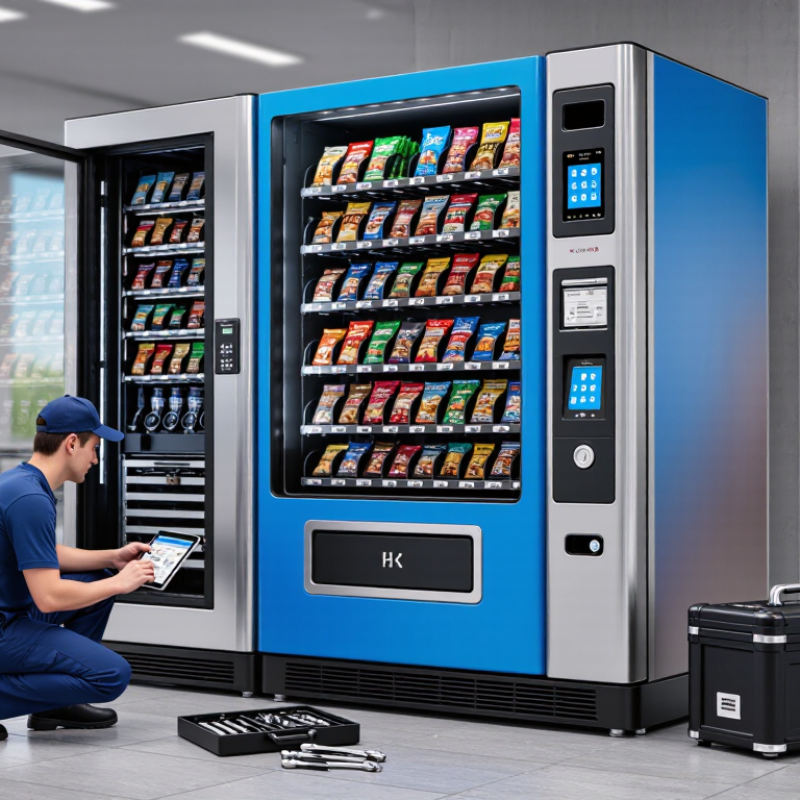
Understanding Vending Machine Repair Services and Their Scope
Vending machine repair covers more than replacing a jammed coil. A qualified technician may inspect payment readers, motors, temperature controls, wiring, door seals, and internal error logs. They should also test the machine after repairs, not simply clear the fault code. Small details matter: a loose connector can cause repeated payment failures, while a worn seal may make a chilled cabinet struggle to hold temperature. Ask whether the service includes diagnosis, labor, parts, and a written record. Scope varies.
The National Automatic Merchandising Association’s 2024 State of the Industry report estimated U.S. convenience-services revenue at $26.6 billion in 2023. That figure covers a broad industry, not repair spending, but it shows how much business depends on machines working reliably. Repair providers may offer emergency callouts, scheduled maintenance, parts replacement, and remote troubleshooting. Confirm response windows, travel fees, and which machine models they support before signing. A technician’s report should identify the fault and completed work in plain language. It may still miss an intermittent problem; follow-up checks are worth discussing. Preventive visits can include cleaning sensors, checking cooling performance, and testing dispensing cycles, especially at busy sites where minor faults quickly frustrate customers.
7 Best Vending Machine Fixer Services for Businesses - Understanding Vending Machine Repair Services and Their Scope
| Repair Service | Typical Work Included | Common Signs of a Problem | Scope and Considerations | Best Suited For |
|---|---|---|---|---|
| 1. Diagnostic and General Repair | Inspect machine components, check error indicators, test operation, identify faults, and repair or recommend replacement of failed parts. | Repeated shutdowns, error messages, inconsistent operation, or a machine that will not start. | A technician can diagnose the fault, but the repair may require a separate part order or specialist service. | Machines with an unknown, intermittent, or recurring issue. |
| 2. Refrigeration and Cooling Repair | Check temperature controls, fans, condenser airflow, door seals, and refrigeration components; clean accessible heat-exchange areas where appropriate. | Products are not staying cold, cooling is uneven, unusual compressor noise, or excessive condensation. | Refrigerant-system work may require a qualified technician and must follow applicable handling and safety regulations. | Refrigerated beverage, snack, and fresh-food machines. |
| 3. Payment System Repair | Inspect bill and coin acceptors, card readers, payment connections, and transaction settings; test payment acceptance and vend communication. | Payments are rejected, cash is not recognized, card transactions fail, or payment is accepted without a vend. | Some faults can involve the machine, payment device, network, or payment processor, so troubleshooting may involve more than one party. | Locations where reliable cashless or cash payment is essential. |
| 4. Dispensing and Mechanical Repair | Inspect motors, spirals, belts, shelves, delivery doors, and product sensors; adjust or replace worn or misaligned components. | Products become stuck, drop incorrectly, fail to dispense, or trigger repeated refund requests. | Correct adjustment depends on the machine configuration and product dimensions; testing with the actual products is useful. | Machines with frequent jams or inconsistent product delivery. |
| 5. Electrical and Control-System Repair | Check power supply, wiring connections, fuses, switches, control boards, and machine sensors; test the machine after repair. | Power interruptions, blank displays, unresponsive controls, or faults affecting several machine functions. | Electrical work should be performed by a qualified person using safe isolation procedures; board-level repair may not be available for every model. | Machines with power, display, or control-related symptoms. |
| 6. Preventive Maintenance | Clean and inspect accessible components, check door seals and moving parts, verify settings, and identify wear before it causes a breakdown. | There may be no immediate failure; maintenance is scheduled to reduce avoidable downtime and catch developing issues. | Maintenance tasks and frequency depend on machine type, usage, environment, and the service instructions for the equipment. | Businesses operating machines regularly or across multiple locations. |
| 7. Installation, Relocation, and Recommissioning | Position and level the machine, check access and power requirements, reconnect approved components, and confirm basic operation after setup. | A machine has been newly installed or moved, or it does not operate correctly after relocation. | Transport, site preparation, electrical supply, access, and any required permits should be confirmed before the visit. | Businesses opening a new site, changing layouts, or moving equipment. |
Note: Service availability, parts, response times, and repair requirements vary by machine type, fault, location, and technician qualifications. Confirm the diagnostic fee, parts policy, and any warranty implications before authorizing work.
Related Posts
-
What is Vending Machine Maintenance and How to Ensure Its Efficiency
-
10 Essential Tips for Effective Vending Machine Maintenance?
-
Top Vending Machine Support Companies for Global Buyers
-
How to Maintain a Vending Machine Properly
-
Essential Tips for Becoming a Successful Vending Machine Fixer
-

What is a Vending Machine Fixer and How Can They Help You?