Top Vending Machine Support Companies for Global Buyers
The global vending machine industry is becoming more connected, cashless, and service-dependent. Grand View Research estimated the market at approximately USD 21.84 billion in 2023. Its report also projects strong growth through 2030, driven by automated retail, digital payments, and improved machine connectivity. Allied Market Research reported different figures and forecasts, reminding buyers that market definitions vary. A single number cannot describe every region accurately.
For global buyers, equipment price is only one part of the decision. Reliable vending machine support can determine whether a machine earns revenue or remains idle beside an empty warehouse. Strong providers offer remote monitoring, payment-system integration, multilingual assistance, spare-parts planning, and technician response. The details matter. A failed card reader in Madrid, a refrigeration fault in Dubai, or a delayed replacement board in São Paulo can quickly affect customer trust and operating costs.
The National Automatic Merchandising Association’s industry research highlights the importance of convenience services, route management, and operational efficiency in mature markets. However, support quality differs widely between suppliers. Some companies promise worldwide coverage but depend heavily on local contractors. Others provide excellent hardware but limited software assistance. Buyers should examine service-level agreements, training records, warranty terms, response times, and regional references before signing.
No ranking is perfect. This guide compares leading vending machine support companies through practical criteria, including technical experience, geographic reach, communication quality, and after-sales reliability. The evaluation also considers a difficult question: can each provider support machines after installation, not merely sell them? That distinction often becomes visible only during a real breakdown.
Types of Vending Machine Support Companies
Top Vending Machine Support Companies for Global Buyers
Types of Vending Machine Support Companies
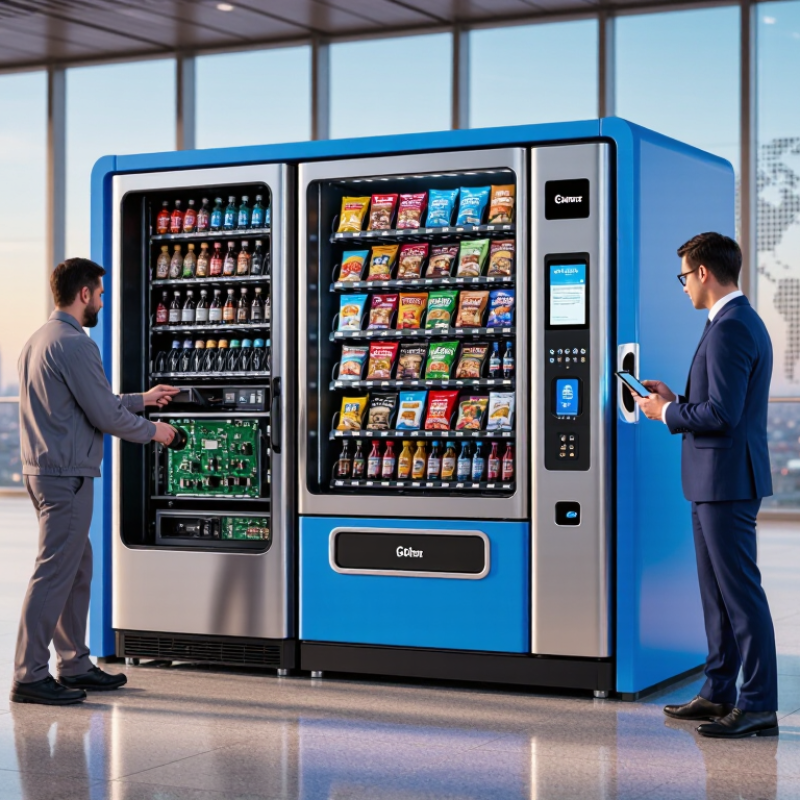
Global buyers usually work with several types of vending machine support companies. Authorized technical service providers handle installation, calibration, repairs, and preventive maintenance. Independent field-service firms can be more flexible, especially for mixed equipment fleets. They often provide local technicians, spare-part sourcing, and emergency visits.
Remote monitoring specialists focus on telemetry, inventory alerts, payment diagnostics, and sales reporting. Their dashboards can show a nearly empty product column before customers see it. Payment-service providers support card readers, mobile payments, settlement checks, and fraud monitoring. Logistics and refurbishment companies manage shipping, warehouse storage, machine relocation, and equipment renewal.
This market is growing, but reported figures vary. Fortune Business Insights valued the global vending machine market at 21.33 billion dollars in 2023 and forecasts 35.83 billion dollars by 2032. Mordor Intelligence reports different estimates because its scope and regional assumptions differ. Buyers should compare definitions, not just headline numbers.
A reliable provider publishes response times, technician coverage, parts availability, and service exclusions. Ask for maintenance records and escalation procedures. Short contracts help during pilot projects. Still, low pricing can hide slow visits or limited local expertise. No support model is flawless. A thoughtful buyer should test one location before scaling across countries.
Core Services Offered to Global Vending Operators
Global vending operators need more than reliable machines. They need support teams that understand local conditions, payment habits, and customer expectations. Experienced providers help with site surveys, machine installation, configuration, and staff training. They can check power supply, network strength, lighting, and customer flow before deployment. A poor site decision can reduce sales for months.
Remote monitoring is another core service. Operators can track stock levels, temperature readings, payment errors, and machine status from one dashboard. Clear alerts help technicians respond before a small fault becomes expensive downtime. Support teams also manage preventive maintenance, emergency repairs, spare parts, and service schedules. Response times should be written clearly in the service agreement.
Payment integration requires careful testing across currencies, cards, mobile wallets, and local transaction systems. Reliable providers assist with secure updates and transaction records. They also help operators adapt product displays, pricing, languages, and customer instructions for each market. Compliance guidance matters, especially for electrical safety, data protection, labeling, and accessibility requirements. Local technicians are valuable when roads, weather, or parts availability create delays. No support system is flawless. A missed alert or delayed shipment can still happen, so operators should review performance reports and improve procedures regularly.
How Companies Support International Machine Deployment
Top Vending Machine Support Companies for Global Buyers
How Companies Support International Machine Deployment
International machine deployment rarely ends when equipment leaves the factory. Strong support begins with a site survey, not a sales promise. Teams check voltage, climate, floor access, network coverage, and local service requirements. A machine for a humid coastal market may need sealed components and more frequent cleaning. A dry inland location may create different cooling and dust-control concerns. Small details matter.
Before shipment, experienced providers prepare translated manuals, wiring diagrams, customs documents, and installation checklists. They also confirm payment standards, local taxes, safety markings, and accessibility requirements. Remote onboarding helps operators test inventory settings, temperature alerts, and transaction records. However, translation can miss practical phrases used by local technicians. That weakness deserves review. Some teams solve it with annotated photos and short video sessions before arrival.
After installation, reliable support includes spare parts, response targets, software updates, and clear escalation channels. A regional technician can reduce downtime when a sensor fails during a busy afternoon. Support staff should document every repair and protect operational data during remote access. Independent audits and service reports make performance easier to verify. Still, no deployment plan is perfect. Weather, delayed shipments, or misunderstood instructions can expose hidden assumptions. The best providers treat these failures as evidence for improving the next rollout.
Criteria for Comparing Vending Machine Support Providers
Top Vending Machine Support Companies for Global Buyers
Criteria for Comparing Vending Machine Support Providers
Reliable support begins with measurable service coverage, not attractive promises. Check whether technicians operate in your target countries and nearby time zones. Ask for documented response times, repair targets, and escalation contacts. A provider offering 24-hour remote assistance may still lack local repair capacity. That difference matters when a payment reader fails during a busy afternoon.
Compare technical expertise carefully. Qualified technicians should understand refrigeration, motors, control boards, software, and cashless payment systems. Request evidence of training, recent project experience, and clear maintenance procedures. Strong providers use remote diagnostics, scheduled inspections, and genuine compatible parts. They should also explain warranty limits in plain language. Vague terms deserve attention.
Look beyond the monthly support fee. Calculate travel charges, replacement parts, software updates, training, and emergency labor. Ask how the provider protects operational data and handles access permissions. References from buyers with similar machine volumes can reveal practical weaknesses. Listen for details about missed appointments and repeated faults. No provider performs perfectly. A supplier that admits common delays may be more trustworthy than one claiming flawless service. I would also test one support ticket before signing a wider contract. The trial may expose slow communication, unclear ownership, or weak documentation. Language support, local safety procedures, and compliance with applicable regulations should remain part of the comparison, not an afterthought.
Criteria for Comparing Vending Machine Support Providers
This procurement scoring model prioritizes operational continuity, fast issue handling, successful repairs, spare-parts availability, geographic coverage, and service reporting. The percentages represent evaluation weights rather than results for any specific company or brand.
Selecting the Right Support Partner for Different Markets
Selecting a vending machine support partner requires more than comparing service prices. Each market brings different climates, payment habits, languages, and maintenance expectations. A reliable partner should understand these local conditions through documented field experience.
Look for technicians who can reach machines quickly and explain repairs clearly. Ask how spare parts are stored, tracked, and delivered across regions. Remote diagnostics can reduce downtime, but only when local staff respond promptly. Request service records, response-time data, and customer references from comparable markets. Check whether training covers cleaning, software updates, safety checks, and cashless payment equipment.
Small details matter.
A partner may offer twenty-four-hour support, yet lack weekend technicians in smaller cities. A low-cost contract can also hide expensive travel charges or delayed parts. Review the agreement carefully, including escalation procedures, warranty handling, reporting standards, and language support. A short pilot with several machines can reveal problems that presentations conceal. Results should be measured through uptime, repair duration, repeat faults, and operator feedback. No partner fits every market perfectly. Our own evaluations have sometimes favored technical strength while underestimating communication delays. That mistake is avoidable when local teams join the selection process. Choose a support company that shares clear evidence, admits limitations, and improves its process after each service issue.