How to Choose the Best Snack Machine for Your Business?

Choosing a snack machine is not simply a matter of comparing prices or selecting a popular model. It means matching equipment, products, and service needs to the people who will use it. A hospital corridor, a busy warehouse, and a small office have different traffic patterns, available space, and break schedules. The right choice should fit the location—not just the sales pitch.

Industry reports offer useful context, but they cannot predict results at a specific site. Grand View Research valued the global vending machine market at approximately US$21.4 billion in 2023 and projected continued growth through 2030. NAMA’s State of the Industry reporting estimated U.S. convenience services revenue at about US$26.6 billion in 2023. These figures suggest a sizable market. They do not guarantee that one machine will be profitable in your break room. That is not enough.

Before choosing, estimate daily foot traffic, inspect the machine’s footprint, and ask what customers actually want to buy. Check payment options, refrigeration needs, refill access, energy use, and the supplier’s repair response time. A glass-front machine may display products clearly, yet still be a poor fit if deliveries block a narrow hallway. Small details matter. I would also treat sales forecasts cautiously; early demand can be uneven, and a neat spreadsheet rarely captures every slow Tuesday. This guide explains how to compare machine types, features, costs, and service arrangements, so your choice rests on practical evidence rather than assumptions.
How to Choose the Best Snack Machine for Your Business?

Define Your Business’s Snack Vending Needs

A snack machine works best when its size and product mix match the people who will use it. Start by identifying who visits the location, when they arrive, and how long they stay. A distribution center with night shifts may need filling meals and drinks at unusual hours. A small office may sell more coffee snacks and single-serve items. Ask staff what they currently bring from home, and note what nearby shops offer. Small counts can mislead. Estimate daily users and peak periods over several ordinary workdays, not just one busy Monday.

Walk the proposed location before choosing equipment. Measure doorways, turning space, and the route from the delivery entrance. Check for a nearby power outlet, adequate ventilation, and a level floor. Note whether sunlight or heating vents could warm chilled products. List the items you want to stock, including their package sizes. Bottles, bulky bags, and refrigerated meals need different shelf spacing. A machine that looks roomy in a brochure may feel cramped once products are loaded.

Work out how often someone can refill and clean the machine. If staff can visit only twice a week, a small unit may run empty before the next service. Estimate sales cautiously; early forecasts are often wrong. Decide which payment options your customers actually use, and confirm that the location has reliable connectivity if needed. Write down these requirements, then compare machines against them. Recheck the list with the person who will handle restocking; they may spot a practical problem you missed.

Compare Machine Types, Sizes, and Capacities

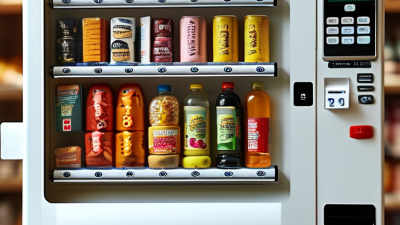
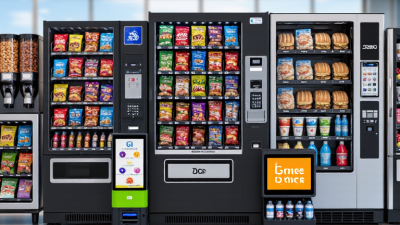
A snack-only machine suits sites where chips, bars, and small packets move steadily. Its shelves can devote more space to snacks instead of drinks. A refrigerated combo machine adds chilled items, but its larger cabinet needs power and ventilation clearance.

Space matters. Measure doorways, service access, and the floor area with the machine door fully open. Compare external dimensions, selection count, and total vendable units; they describe different things. Large packets may reduce capacity, even when a machine has many product slots.

For a small break room, a compact unit may be easier to restock and fit near a counter. Busy warehouses or campuses may need a full-size machine, or more than one unit, to avoid empty lanes between service visits. Ask vendors to estimate capacity using your actual package sizes and sales pattern.

That estimate is imperfect. I would leave spare capacity for popular items rather than fill every lane with slow sellers. Refrigeration also affects running costs: U.S. Department of Energy guidance reports that qualifying energy-efficient vending machines can use about 40% less energy than standard models.

NAMA’s 2022 Industry Census estimated U.S. convenience-services sales at $26.6 billion for 2023, a reminder that demand varies widely by location; size the machine for your own daily traffic, not a national average.

Assess Payment Options and Inventory Features

Payment features can determine whether customers complete a purchase or walk away. Check whether the machine accepts contactless cards, chip cards, and mobile payments, especially if customers rarely carry cash. Convenience matters. Ask about transaction fees, connection requirements, and what happens when the network drops. A machine that accepts several payment types may still frustrate users if its screen is slow or instructions are unclear. Test the payment flow before buying, including a declined transaction and a refund.

Inventory tools matter just as much. Look for clear stock counts, low-stock alerts, and sales reports by product and time of day. These details help staff restock popular items before a busy afternoon and avoid repeated trips for slow sellers. If the machine tracks expiration dates, confirm that staff can enter them easily; a feature nobody updates is not much help. I would not rely on dashboard estimates alone. Compare them with a manual count during the first few weeks, since dispensing sensors can misread jams or empty slots. Choose a system that makes corrections simple and shows when each count was last updated.

How to Choose the Best Snack Machine for Your Business?

Assess Payment Options and Inventory Features

Example evaluation scores on a 1–5 scale, not results from a market survey. Use the same checklist to compare machines: prioritize payment methods your customers use and inventory tools that match your restocking needs.

Estimate Costs, Revenue, and Operating Requirements

Before choosing a snack machine, estimate the full monthly cost, not just its purchase price. Include delivery, installation, payment fees, electricity, insurance, inventory, and repairs. A refrigerated unit may cost more to run than a basic shelf machine. Ask the site owner whether rent or a sales commission applies, and put that figure in your worksheet.

Then estimate sales using daily transactions, average purchase value, and open days.

For example, 18 purchases a day at $2.50 over 26 days equals $1,170 in gross sales. Not profit. Subtract product costs and operating expenses before judging whether the location is worthwhile.

Use cautious sales assumptions; foot traffic does not always become purchases.

Operating needs matter just as much. Check the machine’s footprint, power access, delivery route, and whether staff can restock without blocking a hallway. Plan how often you will refill popular items, remove expired products, and respond to jams or payment problems.

A simple log of sales and stock levels can help prevent empty spirals and over-ordering. Ask the property manager about access hours and site requirements before signing an agreement.

Your first estimate may be imperfect. That is normal, but revisit it after a few weeks of real sales. If service visits, spoilage, or commissions exceed your forecast, the machine may need different products, a new schedule, or another location.

Choose a Supplier and Plan Installation and Maintenance

A dependable snack-machine supplier should explain more than the purchase price. Request a written service agreement covering repair response times, spare parts, refrigeration support, payment-system troubleshooting, and restocking. Ask for references from sites with similar foot traffic; a quiet office and a busy workshop need different refill schedules. Also confirm who removes expired products and whether you can review sales data. For refrigerated models, the U.S. EPA’s ENERGY STAR vending-machine guidance reports that certified machines use about 40% less energy than conventional models. Ask the supplier to verify certification and estimate energy use for your site. Small details matter.

Before delivery, walk the route with the installer. Measure doorways and elevator clearance, check power access, and mark the machine’s footprint. Keep exits clear. Agree on delivery hours and who handles building approvals. Set a maintenance calendar for coil cleaning, temperature checks, payment tests, and replenishment. Put a named service contact and realistic repair window in writing. Track outages and missed refills; repeated problems may point to poor placement or an inadequate service schedule. This is easy to overlook. Review sales weekly during the first month, then adjust stock and visit frequency. The first plan may not be quite right.