How to Choose a Coffee Vending Machine for Business?

Choosing a coffee vending machine for business is not simply a matter of comparing prices. It is a decision about daily service, customer expectations, and operational discipline. James Hoffmann, coffee author and educator, offers a useful principle: “The best coffee is the coffee you like.” That idea matters in vending. A machine may look modern, yet still disappoint users if the coffee tastes weak, bitter, or stale.

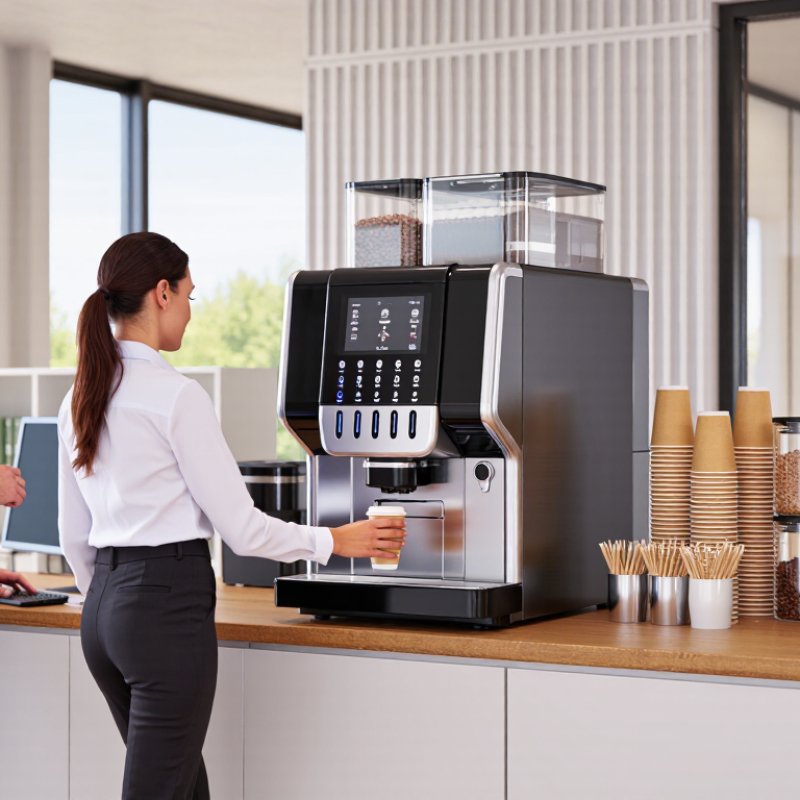
A practical choice begins with the location. A busy office may need 100 cups each morning, while a small showroom may need far fewer. Measure available floor space, electrical access, water supply, and ventilation before reviewing models. Check brewing temperature, bean or powder storage, milk options, cup size, payment systems, and cleaning requirements. A clear display helps users choose quickly. Reliable remote monitoring can also reveal empty containers before complaints begin.

Do not judge the machine by appearance alone. A low purchase price can hide expensive filters, difficult cleaning, or slow technical support. Ask suppliers about warranty coverage, spare parts, response times, and demonstrations using your preferred coffee beans. Test the first cup after several hours of inactivity. Taste consistency deserves attention.

There is room for doubt. No machine fits every business perfectly. A premium model may exceed the needs of a quiet workplace, while a basic model may fail during peak periods. Begin with realistic sales data, not optimistic guesses. The right coffee vending machine for business should balance taste, speed, hygiene, maintenance, and total ownership cost. It should make service easier, not create another daily problem.

How to Choose a Coffee Vending Machine for Business?

Define Your Business’s Coffee Service Needs

Choosing a coffee vending machine begins with defining how people will use it. A busy factory needs fast service during short breaks. A quiet office may value drink variety over speed. Count expected cups per day, peak demand, and the number of users sharing one machine.

I once helped assess a small workplace with 45 employees. The team estimated 30 daily drinks, but actual demand reached nearly 50. Our first estimate was wrong. Track consumption for two weeks when possible.

Record coffee types, preferred cup sizes, payment habits, and the times queues appear. These details provide better guidance than staff opinions alone.

Consider the physical service environment as well. Measure the available space, doorway width, power access, water supply, and waste storage area. A machine placed beside a noisy production line may need clearer instructions and stronger visibility. In an office, low operating noise can matter more.

Ask who will refill ingredients, clean contact surfaces, remove waste, and respond to faults. Be realistic about staff time. They may forget.

Hygiene routines should be simple, documented, and easy to verify. Choose controls that support consistent temperature, portioning, and cleaning records.

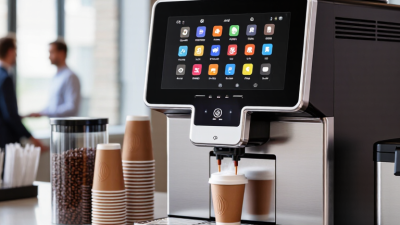
Accessibility also deserves attention, including screen height, readable instructions, and easy payment steps. I would avoid paying for unused features. A touchscreen can look impressive, yet it may add complexity without improving the daily coffee experience.

Compare Machine Types, Features, and Brewing Methods

How to Choose a Coffee Vending Machine for Business?

Choosing a coffee vending machine starts with comparing its machine type and brewing method. Bean-to-cup models grind beans immediately, producing fresher aroma and stronger customization. They usually need more cleaning, grinder checks, and technical support. Instant machines work faster and suit busy sites with limited maintenance time. Capsule systems offer consistent portions, but their ongoing supply costs may be higher. Drip brewing fits offices that serve larger cups, while espresso-based systems suit customers wanting concentrated coffee and milk drinks. No machine does everything perfectly.

Review practical features, not only menu size. Check heating speed, water tank capacity, cup clearance, grinder settings, milk storage, and cleaning alerts. A workplace serving 100 cups daily needs different equipment from a small showroom. Ask for documented output tests and service response times. I would not trust brochure claims alone. Request a tasting session during your busiest period.

Tips: Record daily demand for one week. Compare brewing time per cup. Calculate ingredient, energy, cleaning, and maintenance costs. Choose simple controls for shared workplaces. Test the payment system with real users. Leave space around the machine for refilling and ventilation. A shiny touchscreen may impress visitors, but reliable brewing matters more. Also, review noise levels carefully; a loud grinder can disturb a quiet reception area.

Evaluate Capacity, Space, Utilities, and Installation Needs

Choosing a coffee vending machine starts with demand, not appearance. The National Coffee Association’s Spring 2024 report found that 67% of American adults drank coffee the previous day. That figure supports strong demand, but it does not predict your location. Count peak-hour purchases for one week. Then size the machine for daily volume plus a modest buffer. A unit serving 80 cups daily may need enough ingredients for 100 cups, especially near offices or transport hubs.

Space and utilities can quietly decide whether installation succeeds. Measure doorway width, lift access, ceiling height, service clearance, and floor strength. Leave room for staff to refill supplies without blocking customers. Check the required voltage, socket type, water connection, drainage, and internet signal. Some machines need a direct water line; others use internal tanks.

The United States Department of Agriculture’s Coffee: World Markets and Trade report estimated global coffee consumption at about 176 million 60-kilogram bags in 2023/24. Supply matters, but storage conditions matter too. Warm, damp cabinets can damage powder and packaging.

Tips: Create a simple site checklist before requesting quotations. Record cups per hour, refill frequency, outlet distance, and cleaning access. Ask an electrician to verify the circuit. Do not assume a standard socket is sufficient. I once treated installation space as an afterthought; maintenance became awkward and slower. A compact machine may fit visually, yet still fail operationally. Recheck your assumptions with real traffic data.

Calculate Costs, Revenue Potential, and Operating Expenses

Choosing a coffee vending machine starts with a realistic financial model, not the machine’s screen or design. The National Coffee Association’s 2024 Spring Trends report found that 67% of American adults drank coffee the previous day. That signals demand, but it does not guarantee sales at your location. Foot traffic matters more than market excitement.

Estimate the full investment first. A machine may cost $5,000–$15,000, with installation, payment hardware, filters, and initial stock adding $1,000–$3,000. Suppose the average cup sells for $2.50. At 35 cups daily, monthly revenue reaches about $2,625. Ingredients, cups, payment fees, electricity, cleaning, maintenance, rent, and spoilage must be deducted. If operating expenses total $1,450 monthly, the estimated operating margin is $1,175 before tax and financing. That calculation looks attractive.

But it may be wrong.

USDA’s Coffee: World Markets and Trade report for December 2023 projected global coffee consumption at 170.2 million 60-kilogram bags in 2023/24, showing strong worldwide demand. Still, coffee prices can move sharply, and a quiet site can destroy the forecast. Track actual cups sold for four weeks before purchasing. Test morning demand near offices, hospitals, campuses, or transport areas. Keep a reserve for repairs and ingredient waste. A break-even target of 20 cups daily is safer than assuming 50. Review the numbers monthly, because convenience fees and cleaning labor are easy to underestimate.

Check Maintenance, Payment Options, Suppliers, and Support

Choosing a coffee vending machine starts with the work behind the screen. In a busy lobby, spilled milk can harden around valves within hours. Ask how quickly panels open, filters change, and brewing groups rinse. A machine with removable drip trays saves time. It also reduces neglected cleaning. Keep a written maintenance log.

Payment options should match your customers, not just your budget. Offer coins, cards, and secure contactless payments when possible. Check transaction fees, offline behavior, refund handling, and receipt settings. Test every method with weak network coverage. A payment failure at 8 a.m. feels larger than it sounds. I once underestimated this detail. It delayed a queue and created avoidable complaints.

Supplier quality matters after installation. Request spare-part availability, technician response times, training, and clear warranty terms. Ask for service-level commitments in writing. Speak with two current operators, if possible. Their comments often reveal response patterns better than polished sales material. Support should include remote diagnostics and practical cleaning guidance. Still, no supplier removes every risk. Staff turnover, water quality, and seasonal demand can expose gaps. Review the setup after thirty days, then adjust cleaning schedules, payment methods, or stock levels.

How to Choose a Coffee Vending Machine for Business? — Check Maintenance, Payment Options, Suppliers, and Support

Machine Category Typical Purchase Price Recommended Daily Volume Drink Preparation Maintenance Requirements Payment Options to Request Supplier and Support Checks Best-Fit Business Location
Instant Coffee Vending Machine Approximately US$2,000–US$6,000, depending on capacity, refrigeration, and payment hardware. About 30–100 servings per day. Uses soluble coffee, milk powder, chocolate, and other dry ingredients. Preparation is fast and consistent. Daily cleaning of the mixing area and drip tray; regular ingredient replenishment; periodic descaling and sanitation of the water system. Coins, banknotes, contactless cards, mobile wallets, and optional QR-code payments. Confirm spare-parts availability, remote fault alerts, technician response times, warranty coverage, and operator training. Offices, schools, factories, waiting areas, and locations where low operating complexity is important.
Bean-to-Cup Coffee Vending Machine Approximately US$5,000–US$15,000 for a commercial self-service model. About 50–150 servings per day, depending on the grinder, brewer, and waste capacity. Grinds whole beans and brews each drink automatically. It generally provides a fresher coffee profile than soluble systems. Daily cleaning of the milk and brewing circuits; grinder and brewer cleaning; frequent emptying of grounds and liquid waste containers; scheduled descaling. Contactless cards, chip-and-PIN cards, mobile wallets, coins, banknotes, and cashless telemetry systems. Ask about water filtration, cleaning-program automation, consumable costs, machine uptime targets, and availability of trained service technicians. Corporate offices, hospitals, universities, transport facilities, and premium self-service areas.
Fresh-Milk Bean-to-Cup Machine Approximately US$8,000–US$20,000 or more, depending on refrigeration, milk handling, and payment integration. About 50–180 servings per day when properly maintained. Uses fresh chilled milk to prepare drinks such as cappuccino and latte. Drink quality is attractive but the milk system requires strict hygiene control. Milk lines and nozzles normally require cleaning every operating day; chilled storage must remain within safe temperature limits; descaling and filter replacement are required on schedule. Contactless payment, chip-and-PIN, mobile wallets, prepaid accounts, employee cards, and cash acceptance where permitted. Verify food-safety procedures, temperature monitoring, cleaning reminders, emergency service coverage, and the cost of replacement milk-system components. High-footfall offices, hotels, campuses, staff restaurants, and premium hospitality environments.
Commercial Espresso Vending Machine Approximately US$10,000–US$30,000 or more, especially when multiple drink selections and advanced telemetry are included. About 100–250 servings per day, subject to water supply, waste capacity, and service frequency. Produces espresso-based drinks through a commercial brewing system, often with configurable coffee strength, volume, and milk options. Requires frequent cleaning of the group, brewing system, milk components, and waste containers; water filtration and scheduled preventive servicing are important. Contactless cards, mobile wallets, QR payments, cash, account-based payments, and integrated loyalty or subsidy functions. Require documented preventive-maintenance intervals, local technical coverage, remote monitoring, software-update procedures, and a clear service-level agreement. Large workplaces, shopping centers, hospitals, airports, and high-volume public facilities.
Compact Countertop Coffee Vending Machine Approximately US$1,500–US$5,000, excluding optional payment terminals and installation. About 20–80 servings per day. Usually prepares instant or capsule-based drinks in a compact footprint. Selection and ingredient capacity are generally limited. Requires routine surface cleaning, drip-tray emptying, ingredient or capsule replenishment, and periodic descaling. Standalone card reader, contactless terminal, QR payment, coins, or employee-access payment systems. Check counter dimensions, electrical load, water-tank capacity, refill access, replacement-pump availability, and telephone support hours. Small offices, boutiques, clinics, reception areas, and locations with limited floor space.
Plumbed-In High-Capacity Machine Approximately US$6,000–US$25,000, depending on output, drink technology, and installation requirements. About 100–300 servings per day. Connects directly to a water supply and can support a broader menu with fewer manual water refills. Needs approved water filtration, sanitation of internal circuits, waste-drain inspection, descaling, and scheduled preventive maintenance. Contactless cards, mobile wallets, QR payments, cash, prepaid accounts, and corporate payment integration. Confirm installation requirements, plumbing responsibilities, water-pressure limits, on-site commissioning, remote diagnostics, and replacement-part lead times. Large factories, office buildings, universities, hospitals, and other continuously occupied sites.
Typical commercial ranges are indicative rather than quotations. Actual pricing, capacity, payment compatibility, maintenance frequency, and service response depend on the configuration, location, local regulations, water quality, operating hours, and supplier agreement.