What Is a Coffee Vending Machine and How Does It Work?
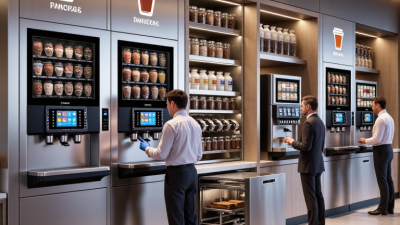
Coffee vending is no longer limited to a basic machine dispensing instant powder. Modern units can grind beans, heat water, froth milk, accept cashless payments, and record sales data. They serve offices, hospitals, transport hubs, universities, and busy retail spaces.
Grand View Research valued the global coffee vending machine market at about USD 5.1 billion in 2022. Its report forecasts strong growth through 2030, supported by convenience, automation, and changing workplace habits. Fortune Business Insights also identifies unattended retail and contactless payment systems as important market drivers. These figures differ because research firms use different definitions. Some count only coffee machines, while others include wider vending equipment.
The operating process is straightforward. A customer chooses a drink on the touchscreen. The machine measures coffee, water, milk, or syrup. It then brews, mixes, and dispenses the beverage into a cup. Sensors monitor temperature, ingredients, payment status, and cleaning alerts. Small details matter. A blocked nozzle can ruin the customer’s experience.
Vending consultant Bob Tullio offers a useful reminder: “The machine is only as good as its service.” That sentence explains the technology’s main weakness. Automation does not remove operational responsibility. Operators must refill ingredients, clean brewing chambers, test payment systems, and review sales data. Poor maintenance creates stale coffee and lost trust.
This guide explains what a coffee vending machine is, how its internal systems work, and why service quality shapes its commercial value. Forecasts look promising. Reality remains less perfect. A smart machine still needs careful people.
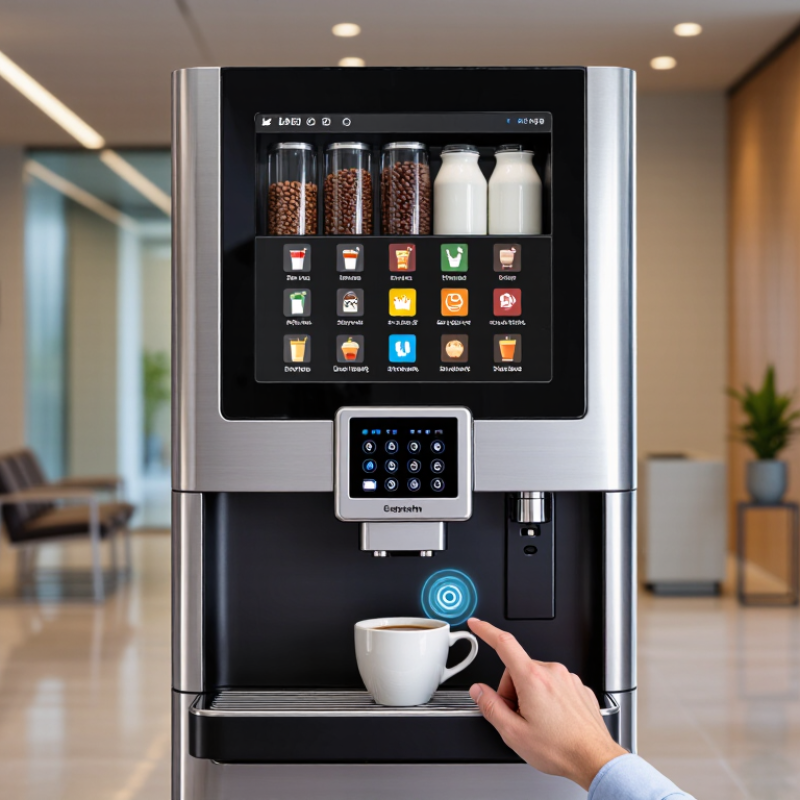
What a Coffee Vending Machine Is
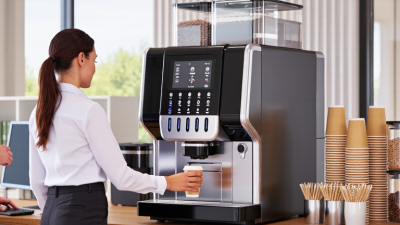
A coffee vending machine is a self-service appliance that prepares drinks with limited human assistance. It usually contains a water tank or a plumbed water line, a heater, ingredient containers, a grinder, and a dispensing outlet. Users select a drink on a screen, pay electronically, and wait while the machine measures each ingredient. Some machines brew ground coffee, while others use soluble coffee powder. Milk powder, sugar, and chocolate can be stored in separate compartments.
The process is carefully controlled. The machine heats water to a programmed temperature, moves it through coffee grounds or mixes it with powder, then fills a cup below the outlet. Sensors can check cup placement, water levels, and ingredient supply.
In practical use, service staff still matter. They clean the brewing area, refill ingredients, empty waste containers, and inspect the payment system. Without this routine, even a technically advanced machine may produce weak coffee or unpleasant odors.
Coffee vending machines are useful in offices, hospitals, stations, and workshops because they provide drinks throughout the day. Their quality depends on water condition, ingredient freshness, temperature stability, and cleaning frequency. A machine may look modern but still make disappointing coffee. That is an important limitation.
Operators should record cleaning times, test drink portions, and respond to user complaints. Small details, such as a blocked nozzle or damp powder, can change the entire cup.
How Users Choose and Pay for a Coffee
What Is a Coffee Vending Machine and How Does It Work?
How Users Choose and Pay for a Coffee
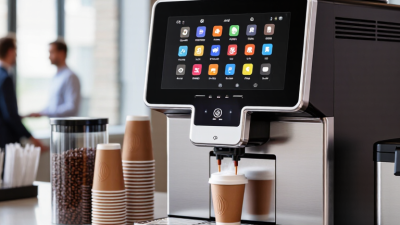
A coffee vending machine is a self-service brewer that stores coffee, milk, water, cups, and flavor ingredients. Users usually begin by selecting a drink on a touchscreen. Options may include espresso, black coffee, cappuccino, sugar, milk, and cup size. The interface should display the price clearly before payment. This small detail builds trust.
Payment normally happens through contactless cards, mobile wallets, coins, or notes. The machine verifies the transaction, then activates grinding, brewing, mixing, and dispensing. The Federal Reserve’s 2024 Diary of Consumer Payment Choice reported that cash represented 16% of U.S. consumer payments in 2023. Credit cards accounted for 32%, debit cards 30%, and mobile payments 12%. These figures explain why modern machines often offer several payment routes, rather than relying on cash alone.
Contactless payment is usually quick. A user taps a phone, waits for approval, and watches the cup fill below the nozzle. Still, speed is not everything. A weak network signal can delay authorization, while an empty cup dispenser can interrupt a successful purchase. The National Automatic Merchandising Association identifies technology, convenience, and machine availability as important parts of unattended retail performance. In practice, clear instructions matter as much as advanced hardware. A failed tap feels minor, but repeated failures damage confidence. Operators should monitor payment errors, refill supplies, and test the full customer journey daily.
How the Machine Prepares and Dispenses the Drink
A coffee vending machine is a compact drink station that combines storage, heating, brewing, and dispensing. When a customer selects a drink, the control system checks the recipe and starts a timed sequence. Water moves from an internal tank or connected supply into a heater. The machine usually heats it to a controlled brewing temperature, although the setting may vary between drinks.
For fresh coffee, a grinder measures beans and crushes them moments before brewing. The grounds enter a small brewing chamber, where hot water passes through them under controlled pressure. Other machines use instant coffee, which dissolves in hot water instead.
Milk powder or liquid milk can be mixed through a separate tube, while sugar may be added automatically. The finished drink flows through a narrow outlet into the waiting cup. Sensors help detect the cup, monitor water levels, and stop the cycle when a fault appears.
The process is efficient, but it is not magic. Grind size, water temperature, and cleaning quality can change the taste noticeably.
Tips:
Keep the dispensing area clean and check the machine’s cleaning schedule. A blocked nozzle can create weak foam or an uneven flow. If the coffee tastes flat, the ingredients may be old, or the brewing chamber may need attention. Even a correct recipe can produce disappointing results when maintenance is delayed.
Maintenance, Safety, and Common Usage Locations
What Is a Coffee Vending Machine and How Does It Work?
A coffee vending machine combines water, coffee ingredients, heat, and programmed controls in one compact unit. After payment or selection, it measures ingredients and dispenses a drink into a waiting cup. Internal sensors may monitor water levels, temperature, and waste containers. The process looks simple, but small faults can affect taste and safety.
Maintenance requires a practical routine. Operators should wipe the dispensing area daily and remove spilled milk or sugar immediately. They should also empty drip trays, inspect seals, clean mixing chambers, and refill ingredients with sealed containers. Water filters need scheduled replacement, while internal heating parts require inspection by qualified technicians. A clean exterior can fool you. Hidden residue may still remain inside.
Safety checks should include damaged cables, unusual heat, blocked vents, and unstable placement. Machines should stand on level surfaces away from heavy moisture and unsafe traffic paths. Food-contact parts need cleaning according to local hygiene requirements, and allergen information should remain visible. Keep a service log. It exposes repeated problems that memory often misses. Even careful operators sometimes delay cleaning during busy periods, and that decision can reduce drink quality quickly.
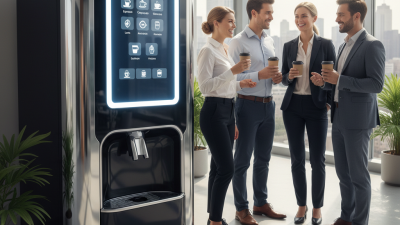
These machines commonly serve offices, universities, hospitals, hotels, transport hubs, and factory break rooms. Locations with long queues need clear floor space and frequent waste checks. Hospitals and workplaces may require stricter cleaning records. Outdoor placement is possible only with suitable weather protection and approved electrical installation. A quiet corner is not always a safe corner.
What Is a Coffee Vending Machine and How Does It Work?
A coffee vending machine combines water heating, grinding, brewing, dispensing, and payment or selection controls in one automated system. The chart shows typical maintenance intervals used in commercial operating schedules.
Daily cleaning helps prevent residue and microbial buildup. Descaling and filter replacement protect the water-heating system from mineral deposits, while periodic electrical inspections support safe operation. Actual intervals depend on water hardness, beverage volume, and local safety requirements.