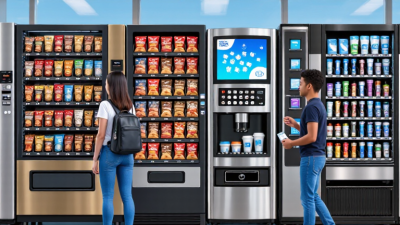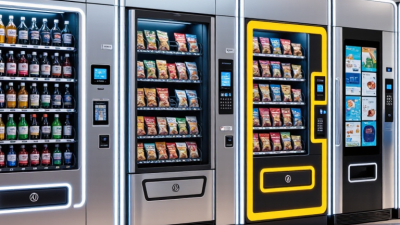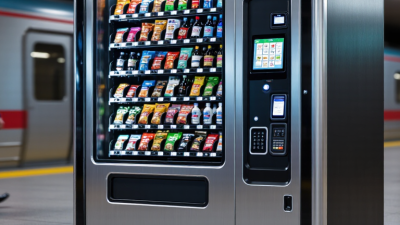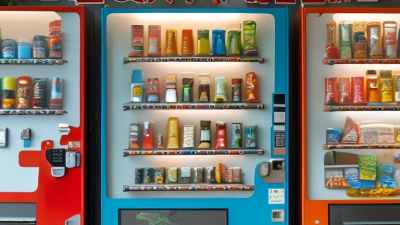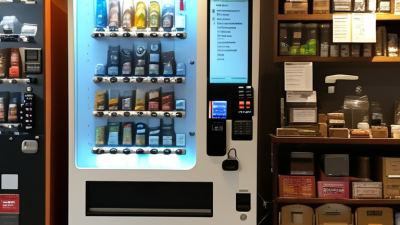
Choosing the best vending equipment from China requires more than comparing factory prices. The right machine must match the product, location, customer habits, and service conditions. A compact snack machine may suit an office lobby, while a refrigerated model may perform better near a gym or transport station. Small details matter. Door insulation, compressor quality, payment compatibility, and cleaning access can shape daily profits.
Vending industry consultant David J. Irvine says, “The best vending machine is not the cheapest one; it is the one that keeps selling and stays serviceable.” This principle deserves attention. A low-cost machine can become expensive when spare parts arrive slowly or software support feels unclear. Buyers should examine factory experience, production records, electrical certifications, warranty terms, and remote monitoring functions. They should also request videos of working machines, not only polished catalog images.
There is no universal winner. That is the difficult part. China offers broad choices, including snack machines, beverage machines, smart lockers, and customized vending equipment. However, customization can introduce delays, unstable interfaces, or confusing maintenance responsibilities. A careful buyer should test one unit before placing a large order. Product trials may feel slower, but they expose weak cooling, payment errors, and awkward loading spaces. This article compares equipment types, supplier capabilities, operating costs, and after-sales support. It also considers an uncomfortable possibility: the most advanced machine may fail in a simple location. Reliable performance usually matters more than impressive screens.
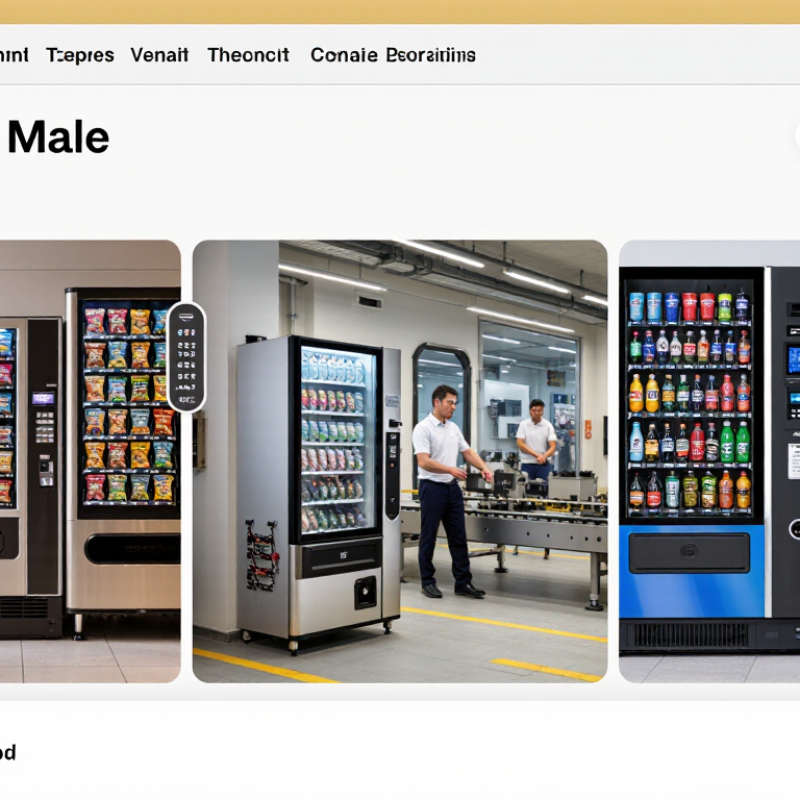
China manufactures a wide range of vending equipment, not just snack machines. Common types include beverage units, combo machines, coffee machines, fresh-food cabinets, and smart parcel lockers. Many factories also produce refrigerated models with glass doors, touchscreen controls, cashless payment modules, and remote inventory monitoring. According to Grand View Research, the global vending machine market was valued at about USD 21.3 billion in 2022. Its report projects strong growth through 2030, supported by automation and convenient retail.
Food and beverage machines require different technical choices. A chilled fresh-food unit needs stable temperature control, washable surfaces, and clear expiration management. A coffee machine needs reliable boilers, simple cleaning access, and accurate ingredient dosing. Smart lockers suit campuses, offices, and residential buildings because they protect products from weather and handling errors. The International Trade Centre also identifies China as a major global manufacturing and export base for machinery, which supports broad equipment customization. However, low purchase prices can hide maintenance costs. That matters.
Tips: Ask for temperature logs, electrical certifications, spare-part lists, and warranty terms before ordering. Test payment compatibility in the target market. Inspect one sample machine personally, if possible. A practical trial often reveals weak hinges, slow cooling, or confusing software. My first equipment comparison focused too much on appearance. That was a mistake. For reliable operation, evaluate cleaning time, refill access, energy consumption, and local service support. One attractive touchscreen cannot repair a poorly designed cooling system.
Chinese vending equipment is manufactured in several common formats. Combo machines generally provide the broadest product selection, while beverage, snack, fresh-food, and coffee machines are designed for more specialized retail environments. The figures show typical product-selection capacities found in commercial configurations; actual capacity varies by machine size, shelf layout, and product dimensions.
What Is the Best Vending Equipment from China?
High-quality Chinese vending machines begin with dependable construction. A reinforced steel cabinet resists daily impact, moisture, and frequent cleaning. Powder-coated surfaces also reduce visible scratches in busy locations. Inside, modular shelves make product changes faster and reduce service time.
Temperature control matters for machines selling chilled drinks or fresh snacks. Reliable units use accurate sensors, steady cooling, and clear temperature displays. A small inspection window helps technicians identify problems before products are affected. Energy-saving compressors can lower operating costs, especially in locations running twenty-four hours daily. That detail matters.
Payment flexibility is another key feature. Strong equipment supports coins, banknotes, contactless payments, and secure mobile transactions. Remote monitoring can report stock levels, temperature changes, and technical faults. This saves unnecessary site visits. Anti-theft locks, reinforced delivery doors, and controlled product release improve practical security.
Field evaluations should include noise, refill speed, and screen response. A machine may look impressive but perform poorly during peak hours. No machine is perfect. Touchscreens can slow down in cold weather, while complex software may require better training. Buyers should request testing records, spare-part availability, warranty terms, and clear electrical specifications. Factory quality checks, safety documentation, and stable after-sales support provide stronger evidence than attractive photographs.
| Evaluation Dimension | High-Quality Benchmark | Typical Specification or Range | Why It Matters | Recommended Verification |
|---|---|---|---|---|
| Product Capacity | Adjustable shelves and spiral or elevator delivery options | Approximately 30–60 product selections; capacity commonly ranges from 100–400 items, depending on product size | Improves product variety while allowing the machine to be configured for cans, bottles, snacks, or irregular packages | Request a layout drawing showing shelf dimensions, selection count, and maximum product height and width |
| Temperature Control | Thermostatically controlled refrigeration for perishable or chilled products | Common chilled operating range: approximately 2–10°C; ambient models do not provide active cooling | Helps maintain product quality and supports the requirements of beverages, dairy products, and other temperature-sensitive goods | Check temperature uniformity, recovery time after door opening, insulation thickness, and refrigerant information |
| Energy Efficiency | Efficient compressor, LED lighting, insulated cabinet, and sleep or standby controls | Typical rated input: about 300–800 W for refrigerated units; actual energy use varies with ambient temperature and usage | Lower operating costs are especially important for machines running continuously in high-traffic locations | Ask for measured daily or annual energy consumption under a defined temperature and loading condition |
| Payment Compatibility | Modular support for cashless payment, coins, banknotes, QR payments, and contactless cards | Payment options should be configurable for the target country and connected to a secure transaction interface | Multiple payment methods reduce abandoned purchases and make the machine suitable for different customer groups | Confirm supported protocols, local payment certification, refund handling, and offline transaction behavior |
| Remote Monitoring | Cloud-based monitoring for inventory, sales, temperature, faults, and machine status | Connection may use 4G, Wi-Fi, Ethernet, or another approved cellular communication method | Enables timely restocking, preventive maintenance, and faster response to payment or delivery errors | Request a live software demonstration and confirm data export, user permissions, alerts, and API availability |
| Delivery Reliability | Anti-theft delivery area with motor current detection, drop sensors, or elevator delivery | Elevator systems are generally better suited to fragile, bottled, or irregularly shaped products than basic spiral-only systems | Reduces product damage, failed deliveries, and customer refunds | Conduct repeated tests using the smallest, largest, heaviest, and most fragile intended products |
| Cabinet Construction | Powder-coated steel cabinet with corrosion-resistant treatment and durable transparent panels | Common commercial machines weigh approximately 150–350 kg, depending on size and refrigeration system | A strong enclosure improves security, weather resistance, service life, and protection against frequent public use | Review material thickness, coating process, door hinges, locks, glass or panel construction, and outdoor-use limitations |
| Electrical Safety | Protected wiring, grounding, circuit protection, and documentation for the destination market | Electrical input commonly supports 110–120 V or 220–240 V AC systems, subject to the selected configuration | Correct voltage and safety protection reduce installation risks, equipment damage, and compliance problems | Verify rated voltage, frequency, plug type, grounding method, circuit protection, and destination-market test reports |
| Maintenance Access | Front or rear service access with replaceable motors, refrigeration parts, sensors, and control components | Modular components should be identifiable through service manuals and wiring diagrams | Simple maintenance shortens downtime and lowers the cost of replacing individual components | Request spare-parts lists, troubleshooting procedures, component codes, and technician training materials |
| User Interface | Clear display, multilingual interface, accessible product information, and simple refund instructions | Touchscreens are commonly 15–22 inches; physical buttons may be preferable in harsh or high-use environments | An intuitive interface reduces purchase time and minimizes user errors | Test screen visibility, language settings, accessibility, payment instructions, and error-message clarity |
| Warranty and Support | Written warranty, remote technical support, spare-parts availability, and defined response procedures | Commercial equipment warranties are often 12–24 months, subject to contract terms and component exclusions | After-sales support directly affects uptime, total ownership cost, and expansion feasibility | Review warranty coverage, response times, replacement-part lead times, installation support, and service charges |
| Best Application | Equipment configuration matched to product type, location, climate, traffic, and payment habits | Ambient snack machines suit stable-temperature locations; refrigerated or heated models suit temperature-sensitive products | The best machine is determined by operating conditions rather than purchase price alone | Evaluate expected daily transactions, product turnover, ambient temperature, available floor space, and local regulations |
Note: Specifications are industry-typical benchmarks and may vary by machine configuration, product type, climate, electrical system, and destination-market requirements. Confirm final values in the technical quotation and compliance documentation.
Choosing the best vending equipment from China starts with comparing supplier capability, not catalog photos. In factory evaluations, I inspect assembly lines, test machines with real product sizes, and request recent export references. A polished showroom proves little. Request a live video demonstration of cooling recovery, payment failure handling, door sensors, and remote alerts. Ask who writes the software and who repairs circuit boards. Small answers reveal operational maturity. One supplier may offer a lower price. It may also use thinner insulation.
Compare quotations line by line. Check cabinet material, compressor model, screen brightness, delivery terms, warranty scope, and spare-part pricing. Require samples before placing a large order. Measure temperature stability overnight, not for ten minutes. Test restocking access with gloves. Review power plugs and electrical documents against your destination’s requirements. Independent inspection before shipment adds cost, but it can expose poor welds, damaged wiring, or weak packaging. That expense is easier to accept than a container of unusable machines.
Reliable suppliers provide drawings, manuals, serial-number records, and a clear escalation contact. Their software should export sales data and protect account access. Ask how updates are tested. An impressive promise is not evidence. Compare response times during weekends and holidays. I once focused too heavily on price and underestimated replacement lead times. That mistake changed my checklist. Still, no checklist is perfect. Local climate, product weight, foot traffic, and payment habits can change the right equipment choice.
What Is the Best Vending Equipment from China?
Essential Factors for Selecting the Best Equipment
The best vending equipment depends on your products, location, and service plan. Do not choose by appearance alone. A bright touchscreen cannot fix poor cooling or difficult maintenance. Check product capacity, dispensing accuracy, temperature control, power requirements, and payment compatibility. The machine should match local electrical standards and customer habits. Ask for test videos, wiring diagrams, safety documents, and a full parts list. These details reveal more than polished sales images.
Tips: Test a sample machine before placing a large order. Load real products, measure dispensing time, and inspect the cooling cycle. Confirm whether common spare parts are available locally. Also review warranty terms, remote monitoring, software updates, and technical training. A reliable supplier should explain failures clearly, not promise perfect performance. That matters.
Consider the operating environment carefully. Outdoor machines may need stronger weather protection, locks, insulation, and temperature alerts. Indoor machines still require stable ventilation and safe placement. I have seen buyers focus on the purchase price and overlook shipping, customs, installation, and service costs. That is an expensive lesson. Compare total ownership costs over three years, not just the factory quotation. Review compliance requirements with qualified local professionals, because rules differ between markets. A small pilot order can expose weak payment systems, slow support, or confusing user interfaces before they affect a larger investment.
Choosing the best vending equipment from China starts with the sales environment, not the machine’s appearance. A subway entrance needs compact dimensions, fast cooling, and strong door hinges. A university hallway may require quiet operation and cashless payment compatibility. Ask for voltage, refrigerant details, temperature ranges, and test reports before ordering. Reliable suppliers provide wiring diagrams, spare-parts lists, and video demonstrations. Do not rely on polished photographs alone. They can hide practical weaknesses.
Importing requires careful checking of customs documents, packaging, insurance, and local electrical standards. Confirm the plug, frequency, power load, and language settings with a qualified technician. Wooden crates should be dry, reinforced, and clearly labeled for handling. On arrival, inspect dents, loose cables, leaks, and screen damage before signing acceptance. Installation needs a level floor, rear ventilation, safe clearance, and stable internet when remote monitoring is used. A poor setup can cause repeated cooling faults.
Maintenance becomes easier when operators record temperatures, failed selections, payment errors, and cleaning dates. Clean product channels and touch surfaces regularly. Trained technicians should inspect fans, seals, compressors, and sensors. Keep common spare parts locally. This reduces downtime. However, remote diagnostics are not perfect. One unexplained error may still require hands-on testing. I would pilot one machine for several weeks before ordering a large batch. That trial may reveal slow restocking, confusing instructions, or unreliable connectivity. Practical evidence matters more than a low purchase price.