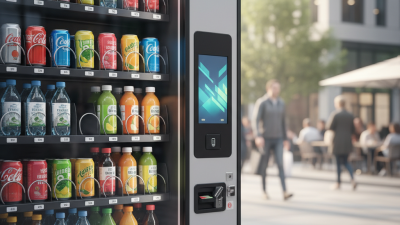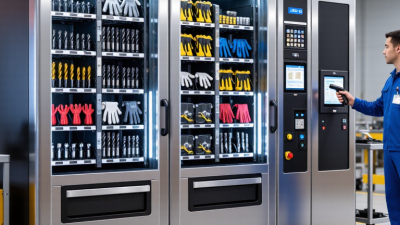
Top Combination Vending Machines for Global Buyers

Choosing a combination vending machine is no longer a simple equipment purchase. Global buyers must examine product mix, payment access, climate, maintenance, and local customer habits. A machine placed beside a busy railway station faces different demands from one serving a quiet office. That difference matters.

“Reliable vending begins with understanding the buyer’s routine, not admiring the machine’s features,” says Marcus Lee, an independent vending equipment consultant with over fifteen years of field experience. His observation offers a useful starting point. A combination vending machine may sell snacks, chilled drinks, personal-care items, or small convenience products from one cabinet. Yet flexibility can create new problems. A crowded selection may confuse customers. Larger refrigeration systems may increase energy costs. Imported parts may also take weeks to replace.

This guide compares leading combination vending machine options for international purchasers. It considers capacity, temperature control, touchscreen usability, cashless payments, remote monitoring, security, and service support. It also looks at practical details, such as whether a payment reader works smoothly with local currencies and whether shelves can fit different bottle sizes. Small details become expensive quickly.

No single model suits every market. That is worth remembering. A low-cost machine may appear attractive, but weak after-sales support can reduce its real value. Buyers should request certifications, warranty terms, testing records, and spare-parts information before ordering. They should also test the user journey in person, if possible. A few awkward clicks can lose a sale. Reliable equipment is not glamorous, but it earns trust one transaction at a time.
Top Combination Vending Machines for Global Buyers

What Combination Vending Machines Are and How They Work

Top Combination Vending Machines for Global Buyers

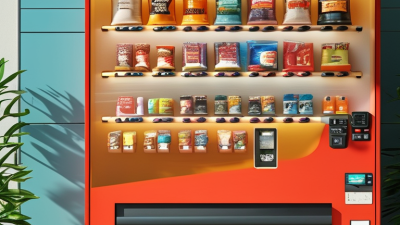
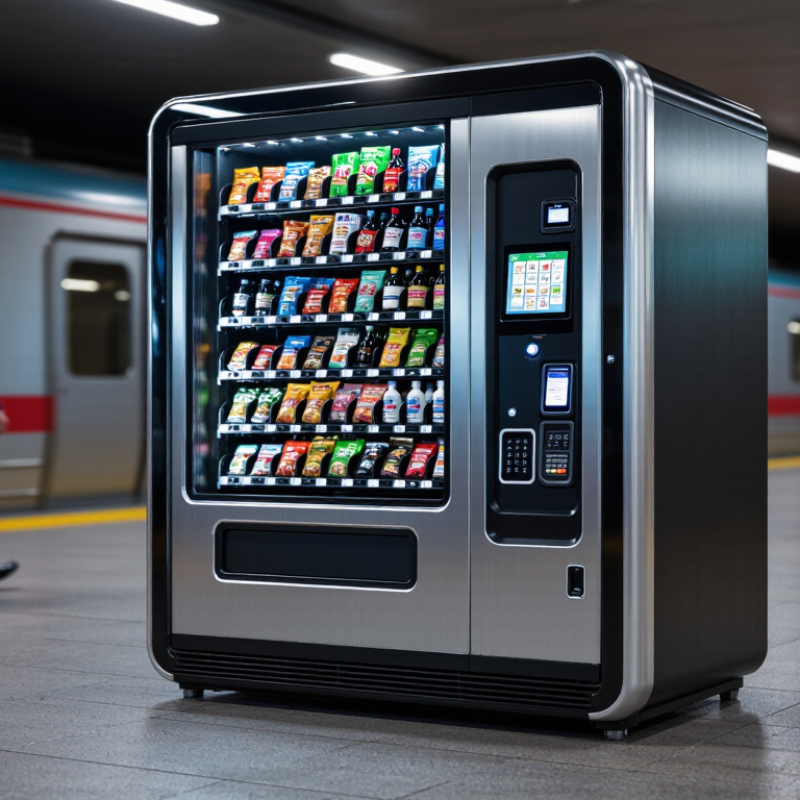
Combination vending machines place several product categories inside one automated cabinet. A single unit may offer snacks, chilled drinks, personal-care items, or packaged essentials. Separate spirals, trays, and temperature-controlled sections manage different products. This approach suits offices, transport hubs, hospitals, and residential buildings with limited floor space. Grand View Research valued the global vending machine market at USD 21.84 billion in 2023. It forecasts a 10.7% compound annual growth rate from 2024 to 2030. These figures cover vending machines broadly, not every combination model. That difference matters.

A customer selects an item through a screen or keypad. The controller checks stock, price, and compartment status. After approved payment, a motor releases the product. Sensors confirm delivery, helping reduce failed transactions. Connected models send inventory, temperature, and maintenance data to a remote dashboard. Fortune Business Insights estimated the market at USD 20.28 billion in 2023. Its different estimate shows how research methods can change market conclusions. Numbers are useful, but they are not perfect.

In practice, reliable operation depends on careful product testing. Tall bottles may jam. Soft packages can bend inside narrow spirals. Buyers should test payment systems, cooling recovery, accessibility, and local power requirements. Temperature mapping is also important when chilled products share one cabinet. A low purchase price can hide frequent service visits. I have found that simple interfaces often outperform crowded screens. The best configuration depends on customer traffic, product size, climate, and replenishment routines.

Top Combination Vending Machines for Global Buyers: What They Are and How They Work

Combination vending machines integrate ambient and refrigerated product sections in one unit. The temperature bands below show typical storage targets used when configuring snack, beverage, and fresh-food compartments; operators should always follow product labels and local food-safety rules.

How it works: Customers select an item through the digital interface, the controller verifies payment, and a spiral, elevator, or conveyor mechanism delivers the product. Refrigerated sections maintain cold-chain products, while ambient sections store shelf-stable goods.

Main Types of Combination Vending Machines for International Markets

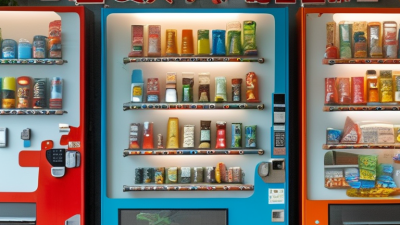
Combination vending machines serve international markets by offering several product categories in one compact cabinet. The most common type combines packaged snacks and bottled drinks. It suits offices, transport hubs, schools, and residential buildings. Ambient storage keeps the design simple and reduces energy demand. However, buyers must check product sizes carefully. A narrow spiral may not handle local packaging well.

Refrigerated combination machines add chilled water, dairy products, prepared meals, or fresh fruit. These models need stable temperature control, insulated doors, and clear temperature records. They can support higher-value locations, but maintenance becomes more demanding. Fresh products also require shorter restocking cycles and accurate expiry-date management. In my experience, operators often underestimate cleaning time. A machine that looks efficient may create extra daily work.

Another type combines personal care items, travel essentials, small electronics, and non-prescription convenience products. This format works well in hotels, airports, campuses, and remote workplaces. Modular compartments can hold cables, umbrellas, hygiene products, and sealed snacks together. International buyers should compare voltage compatibility, payment options, language settings, accessibility, and local product-labeling rules. Cashless payments may improve speed, yet backup payment methods remain useful during network failures. Some machines promise broad flexibility, but excessive product variety can confuse customers and weaken inventory control. A practical trial with real local products is often more reliable than a perfect-looking specification sheet.

Key Features to Compare Before Choosing a Vending Machine

Top Combination Vending Machines for Global Buyers

Key Features to Compare Before Choosing a Vending Machine

A combination vending machine should match its location, not merely display more products. Grand View Research valued the global vending machine market at approximately USD 21.84 billion in 2023. Its forecast also indicates strong growth through 2030. That growth makes careful equipment comparison more important for international buyers.

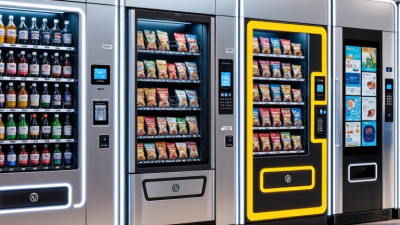
Check product capacity, compartment sizes, and temperature control first. A machine selling drinks and packaged snacks needs separate storage conditions. Adjustable shelves help accommodate different package shapes. Energy efficiency also matters in locations operating continuously. Request measured power consumption, not only an attractive efficiency claim.

Payment flexibility can decide daily sales. The machine should support cards, mobile wallets, coins, and local currencies where appropriate. Network redundancy is valuable when mobile coverage fails. Remote monitoring should show stock levels, temperature alerts, and payment errors. Mordor Intelligence estimates the vending machine market could reach about USD 32.4 billion by 2029, reflecting wider digital adoption.

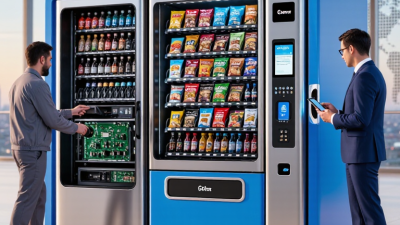
Do not overlook service access. Technicians need clear paths to coin systems, refrigeration units, and control boards. Anti-vandal construction, strong locks, and accessible screen height improve practical reliability. Local voltage compatibility is essential. So is spare-parts availability.

A large display is not enough.

Buyers should compare warranty terms, software ownership, delivery time, and installation support. These details often disappear during price negotiations. I would also test replenishment speed with real packages. A machine may look efficient, yet become awkward during a busy morning. That small weakness can cost more than expected.

Top Combination Vending Machines for Global Buyers - Key Features to Compare Before Choosing a Vending Machine
Machine Type Typical Product Capacity Product Compatibility Temperature Range Approximate Power Use Payment and Connectivity Accessibility Features Security and Monitoring Best For
Ambient Snack and Beverage Combo 30–50 selections; 150–300 items Packaged snacks, cans, bottles, confectionery and shelf-stable food Ambient; optional chilled compartment Approximately 0.8–2.0 kWh/day without active refrigeration Coins, banknotes, contactless cards, mobile wallets; optional 4G or Wi-Fi telemetry Clear product display, accessible payment area and programmable audio or visual prompts Tempered glass, anti-pry door, electronic lock and optional sales or stock alerts Offices, schools, transport facilities and indoor public areas
Refrigerated Snack and Beverage Combo 25–45 selections; 120–250 items Chilled drinks, sandwiches, dairy products, snacks and packaged meals Typically 2–8°C for chilled products Approximately 4–10 kWh/day, depending on ambient conditions and loading Cash, contactless, mobile wallets, QR payment and remote transaction reporting Adjustable shelves, high-contrast labels, accessible controls and optional voice guidance Temperature alarms, door-open alerts, stock monitoring and refrigeration fault reporting Hospitals, campuses, workplaces and locations requiring fresh products
Fresh Food and Beverage Combo 15–35 selections; 80–180 items Prepared meals, salads, sandwiches, fruit cups, dairy items and bottled drinks Usually 2–8°C; food-safety settings may vary by market Approximately 5–12 kWh/day Contactless cards, mobile wallets, QR payment, cash options and cloud-based inventory tools Product visibility, adjustable delivery settings and accessible payment height Temperature logging, expiry-date controls, remote alerts and secure refrigerated storage Corporate dining, healthcare, residential buildings and 24-hour facilities
Frozen Food and Beverage Combo 15–30 selections; 70–160 items Frozen meals, ice cream, frozen snacks and selected chilled beverages Typically −18°C or below for frozen storage Approximately 8–18 kWh/day Cashless payment, QR payment, remote sales reporting and optional cash acceptance Low-position product access, illuminated selection area and clear operating instructions Temperature alarms, insulated cabinet, reinforced door and remote equipment diagnostics Residential communities, leisure venues and areas with limited food retail
Large-Capacity Modular Combo 40–80 selections; 250–500 items Mixed beverages, snacks, packaged food and optional refrigerated sections Ambient or chilled, depending on module configuration Approximately 2–12 kWh/day Multi-currency payment support, contactless cards, mobile wallets and 4G telemetry Large interface, programmable screen, accessible payment reader and clear shelf labels Multi-point locking, impact-resistant glass, remote inventory and error notifications Airports, factories, universities, hotels and high-traffic public sites
Compact Indoor Combo 15–30 selections; 80–160 items Small packaged snacks, cans, bottles and shelf-stable convenience products Ambient; compact chilled versions are available Approximately 0.5–1.5 kWh/day without refrigeration Contactless payment, QR payment and optional coin or banknote acceptors Reduced reach distance, simple interface and adjustable product trays Electronic lock, secure cash box and basic stock or fault reporting Small offices, apartment buildings, gyms and retail back areas

Note: Capacity, energy consumption and temperature specifications are typical industry ranges. Actual performance depends on cabinet size, product mix, ambient temperature, usage frequency, refrigeration settings, local voltage and payment configuration.

Global Standards, Payment Systems, and Import Requirements

For global buyers, combination vending machines should be assessed beyond capacity and appearance. Grand View Research estimated the global vending machine market at about USD 21.2 billion in 2023. Growth is encouraging, but export readiness matters more than a polished cabinet.

Electrical standards vary sharply. A machine designed for 230V/50Hz may need changes for 120V/60Hz markets. Buyers should request test reports covering electrical safety, electromagnetic compatibility, food-contact materials, and refrigerant compliance. Documentation should match the exact model. A generic certificate is not enough. Combination units also need stable temperature control, especially for chilled products. Field inspections often find weak door seals and unclear temperature records. That detail can delay approval.

Payment compatibility is equally practical. The Worldpay Global Payments Report 2024 estimated digital wallets held around 50% of global e-commerce transaction value in 2023, while in-person payment behavior remained more fragmented. A strong machine should support contactless cards, mobile wallets, QR payments, and local transaction rules. Payment terminals must align with EMV specifications and PCI DSS requirements. Buyers should also verify offline transaction limits, receipt rules, refund handling, and data protection duties.

Import planning needs a complete file: commercial invoice, packing list, bill of lading, HS classification, country-of-origin details, and conformity documents. Customs fees differ by destination and machine configuration. Refrigeration components may receive additional scrutiny. A single global configuration sounds efficient, but it is often a compromise. Local certification should be checked before shipment, not after arrival.

How to Select the Best Combination Vending Machine for Your Market

Top Combination Vending Machines for Global Buyers

Selecting the best combination vending machine starts with local demand, not machine size. Grand View Research valued the global vending machine market at about USD 21.7 billion in 2023, with strong growth expected through 2030. This expansion creates opportunity, but demand differs sharply by location. A university may need affordable drinks and quick snacks. A factory may require larger portions and 24-hour access. Study sales data, foot traffic, climate, and refill routes before choosing equipment. Small details matter. Measure the doorway, service space, and electrical supply.

Payment support is equally important. Worldpay’s Global Payments Report shows that digital wallets continue gaining share in global commerce, yet cash remains relevant in many markets. Select machines that support local currencies, contactless payments, and offline transactions where connectivity is unreliable. Confirm cooling performance in hot regions and insulation in colder areas. Remote monitoring can track inventory, temperature, faults, and payment status. Ask for service response times and spare-part availability in writing. Vague support promises are risky.

A balanced SKU layout often outperforms maximum capacity. Reserve space for proven products, then test limited local items. Nutrition labeling, accessibility, electrical safety, and consumer-protection rules also require local review. Standards differ. A machine that succeeds in one country may fail in another because of payment habits or voltage limits. I would pilot two layouts for 60 to 90 days before scaling. The first forecast may be wrong. That is useful. Real purchase data should replace assumptions.