How to Choose a Full Vending Machine for Your Business?
Choosing a full vending machine is not just a matter of picking the largest model. The right choice depends on what customers buy, where they shop, and how often you can restock. A machine beside a busy office elevator faces different demands from one in a quiet hotel lobby. Small details matter: door clearance, power access, product visibility, and the space needed to open the service panel.
Jeff Lenard, a longtime vending and convenience-services industry spokesperson with NAMA, has emphasized vending’s role as retail. A practical paraphrase of that perspective is: “Choose the machine around the customer’s buying moment, not just its feature list.” That means checking capacity, payment options, refrigeration needs, and remote inventory monitoring against your actual sales plan. A glass-front machine may help shoppers compare drinks quickly. Adjustable shelves may better support a changing mix of snacks and packaged meals. The numbers should guide the choice.
Look beyond the purchase price. Ask how quickly local technicians can service the model, whether parts are readily available, and what routine cleaning involves. A low-cost machine can become expensive if downtime leaves popular items unavailable. Still, projections are only estimates. A location that looks promising on paper may sell slowly at first. Track real purchases, adjust the product mix, and review performance after installation. The best full vending machine is the one your team can maintain and customers can use easily.
Define Your Business Needs and Target Customers
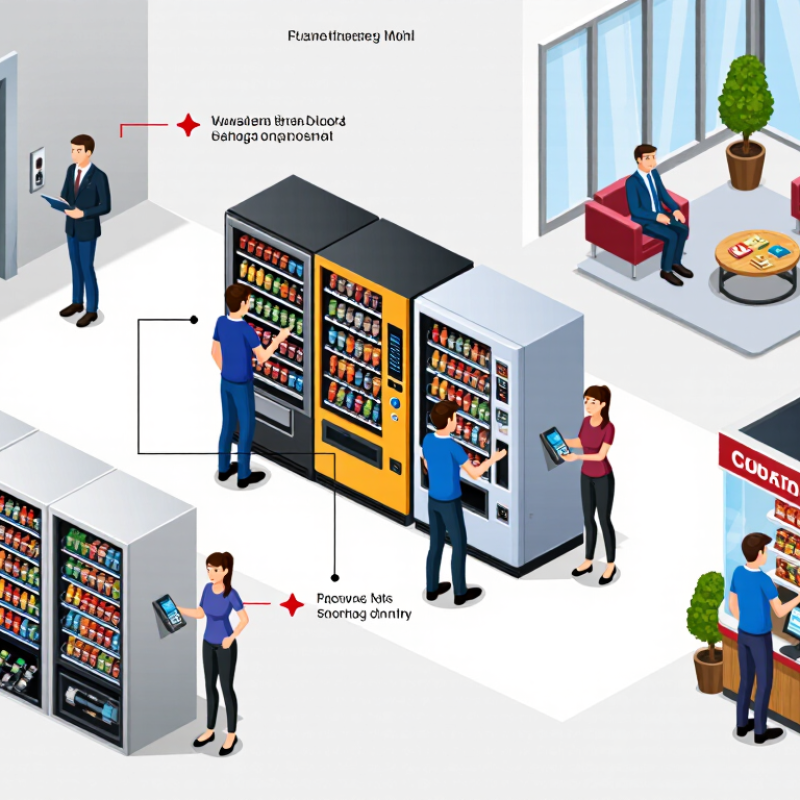
Before choosing a full-size vending machine, define what your business needs it to do. A machine in a factory break room may serve workers during short shift changes, while one in a hotel lobby may see steadier traffic throughout the day. Note your busiest hours, available floor space, and access to a power outlet. Then identify your likely customers. Do they want cold drinks, filling snacks, or quick breakfast items? The right mix depends on real habits, not guesses.
Estimate daily demand by observing nearby foot traffic and asking potential users what they would actually buy. A large machine can offer more choice, but it also needs more stock checks and restocking space. Consider who will refill it and how often. It is easy to overestimate demand at first; a quiet first week does not always mean the location has failed. Track sales before changing the product mix.
Tips: Start with a focused selection and leave room for popular items. Check package sizes against the machine’s shelves, and confirm that deliveries can reach the location. Review sales and customer requests after a few weeks. Small adjustments often beat filling every slot on day one.
How to Choose a Full Vending Machine for Your Business? — Define Your Business Needs and Target Customers
| Business Setting | Likely Target Customers | Buying Occasions and Priorities | Suggested Product Mix | Machine Features to Consider | Stocking and Service Considerations |
|---|---|---|---|---|---|
| Office with 50–150 employees | Employees, visitors, and contractors | Short breaks during working hours; convenient snacks and drinks with minimal queues | Packaged snacks, bottled or canned drinks, and a smaller selection of better-for-you options | Combination machine; cashless payment; clear product labels; refrigeration if selling chilled drinks | Estimate demand from employee attendance and sales records. Arrange replenishment around busy workdays and check expiration dates. |
| Factory or distribution site with shift work | Production, warehouse, and overnight-shift workers | Access outside cafeteria hours; quick service during scheduled breaks | Filling snacks, water, soft drinks, and selected shelf-stable meal items suited to the site | Durable cabinet; cashless payment; readable display; lighting; refrigeration for temperature-sensitive products | Confirm operating hours, site access, and delivery procedures. Plan restocking around shift changes and actual sales by shift. |
| School or college common area | Students, staff, and campus visitors | Between classes; affordable, quick-to-carry items | Water, approved drinks, packaged snacks, and products that meet the institution’s nutrition policies | Cashless payment; age-appropriate product selection; dependable dispensing; easy-to-clean surfaces | Check local rules and school or campus policies before selecting products. Demand may vary with term dates and class schedules. |
| Hotel lobby or guest area | Guests arriving late, families, and conference attendees | Convenient purchases at different times of day; small essentials and refreshments | Bottled water, drinks, snacks, and selected travel essentials based on guest needs | Quiet operation; attractive presentation; cashless payment; refrigeration for chilled items; accessible placement | Use occupancy patterns and transaction history to guide stock levels. Coordinate replenishment with housekeeping and front-desk operations. |
| Hospital or healthcare waiting area | Patients, visitors, and healthcare staff | Access during long waits and outside nearby café hours | Water, packaged drinks, and clearly labeled snacks appropriate to the facility’s policies | Reliable payment and dispensing; clear pricing; easy-to-clean exterior; accessible controls and placement | Confirm facility requirements, permitted products, and cleaning procedures. Avoid making health claims unless they are properly substantiated. |
| Gym or recreation center | Members, athletes, and event participants | Before or after activity; portable refreshments and snacks | Water, suitable sports drinks, and packaged snacks selected for the customer base | Refrigerated beverage capacity; cashless payment; clear product information; sturdy dispensing mechanism | Review sales by day and activity schedule. Keep product assortment aligned with customer preferences rather than assuming every visitor wants the same items. |
| Transit hub or high-traffic public venue | Commuters, travelers, and event visitors | Fast purchases with limited time; demand may vary by day and season | Portable snacks, water, and popular packaged drinks | Fast payment processing; reliable dispensing; visible pricing; secure installation; remote inventory monitoring if available | Validate foot traffic and purchase conversion with a site trial where possible. Plan for secure access, delivery windows, and demand peaks. |
Planning note: These are starting points, not guaranteed sales forecasts. Before choosing capacity or product slots, estimate daily demand, available refill frequency, product dimensions, power and installation requirements, payment preferences, and any site or local regulations. Use actual sales data to adjust the assortment over time.
Related Posts
-
Top Vending Machine Suppliers for Global Buyers
-
What Is the Best Vending Equipment from China?
-
10 Tips for Choosing Reliable Vending Machine Vendors
-
Why Vending Machine Locations Matter for Global Buyers?
-
Top Vending Machine Support Companies for Global Buyers
-
China Top Vending Options for Global Buyers?