How to Choose the Best Vending Machine in 2026?
Choosing the best vending machine in 2026 requires more than comparing prices and screen sizes. The right model must match your location, customers, products, and daily operating conditions. A machine placed in a busy office needs different features from one installed near a hospital entrance or college library. Foot traffic matters, but so do product turnover, floor space, power access, lighting, and security. A reliable vending machine should support cashless payments, clear product displays, accessibility, and efficient temperature control where needed. It should also meet local safety, electrical, consumer protection, and data privacy requirements.
Real-world experience often reveals details that brochures overlook. A beautiful touchscreen becomes frustrating when it responds slowly under bright sunlight. A compact unit may fit a narrow hallway, yet its delivery door could block service access. Operators should ask about refill time, remote monitoring, warranty coverage, spare parts, and technician response. Energy consumption deserves attention, especially when the machine runs continuously. Product testing is equally important; drinks can sell quickly, while unfamiliar snacks may remain untouched for weeks. No single vending machine fits every business. Even experienced buyers can misjudge demand, particularly during seasonal changes. A careful trial period, honest sales records, and customer feedback can prevent an expensive mistake. This guide examines the practical features, costs, and operating questions that help buyers choose confidently in 2026.
Define Your Vending Machine Goals and Target Customers
How to Choose the Best Vending Machine in 2026?
Define Your Vending Machine Goals and Target Customers
The right vending machine begins with a clear customer profile. A university may need affordable meals, while an office may prefer coffee, water, and healthier snacks. Ask who buys, when they arrive, and how long they wait. A five-minute commuter needs fast payment and visible products. A factory worker may value larger portions and late-night availability.
Market data supports careful planning. Grand View Research estimates the global vending machine market reached approximately $21.84 billion in 2023. It also projects a 10.7% compound annual growth rate from 2024 to 2030. However, estimates vary by product category and region. That difference deserves attention, not blind confidence.
Before choosing equipment, record foot traffic for several weekdays. Note age groups, peak hours, nearby food options, and available floor space. Then match capacity to demand. A compact machine may suit a quiet clinic, but it could empty quickly in a busy workplace.
In my experience, product selection often matters more than screen size. Still, this assumption needs testing.
Set measurable goals, such as weekly sales, low waste, or shorter queues. Choose contactless payment, strong refrigeration, and remote stock monitoring only when they support those goals. A complicated machine can create unnecessary maintenance costs. Pilot one location for four weeks, review sales by hour, and adjust products based on real buying behavior. Guesswork is tempting. Data is safer.
Compare Vending Machine Types and Product Categories
How to Choose the Best Vending Machine in 2026?
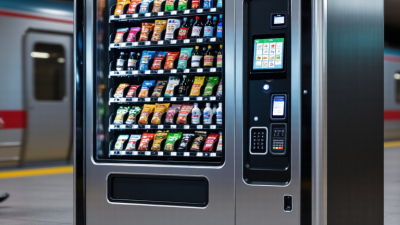
Choosing a vending machine starts with location, not appearance. A railway corridor needs fast beverage sales, while an office lobby may support healthier snacks and fresh meals. Grand View Research valued the global vending machine market at USD 21.84 billion in 2023. It also forecasts a 10.7% compound annual growth rate from 2024 to 2030. These figures suggest stronger demand, but market reports use different definitions. Compare them carefully.
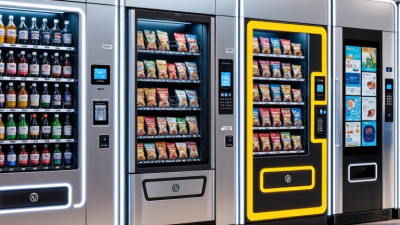
Traditional snack machines suit packaged biscuits, nuts, and confectionery. Beverage machines need stronger cooling systems and reliable payment readers. Combination machines save floor space, yet their mixed capacity can limit popular products. Fresh-food machines create more variety, including salads, sandwiches, and fruit cups. They also require strict temperature monitoring and faster inventory rotation. That operational burden is easy to underestimate.
Product selection should reflect actual buying behavior. NAMA’s U.S. Convenience Services Industry Census reported industry revenue of about USD 26.6 billion in 2023, showing continued demand for convenient purchasing. Payment data, hourly sales, and product expiry records can reveal what customers really want. Installers should test accessibility, lighting, noise, and refill time before committing. Small details matter. I would not choose a machine from projected revenue alone. A high-capacity model may look efficient, but unused slots still cost money. Real sales evidence should decide the category mix.
How to Choose the Best Vending Machine in 2026?
Compare vending machine types with the product categories they are commonly designed to dispense.
Reading the chart: A value of 1 means the machine type is commonly suitable for that product category, while 0 means it is generally not the primary use. Snack machines are designed for packaged snacks, beverage machines for bottled or canned drinks, refrigerated combo machines for mixed chilled products, fresh-food machines for prepared meals, and specialty machines for non-food items.
Calculate Purchase Costs, Operating Expenses, and Expected Returns
How to Choose the Best Vending Machine in 2026?
The purchase price is only the visible cost. A realistic budget should include delivery, installation, permits, payment hardware, and opening inventory. For example, a $6,500 machine can require another $2,000 before selling begins. NAMA’s State of the Industry research shows that vending remains a large, competitive convenience channel. However, location quality usually matters more than machine appearance.
Build a monthly forecast before signing a site agreement. Assume 20 sales daily at $2.75 each. That produces about $1,650 in monthly revenue. At a 45% gross margin, product profit reaches roughly $743. Electricity may cost $40 to $70 monthly, depending on local tariffs and cooling demand. U.S. Energy Information Administration commercial price data can support a more precise estimate. Add $120 for transport, $80 for maintenance reserves, $40 for connectivity, and 15% for site commission. Card processing may remove another 2% to 3% of sales.
The estimated monthly return becomes about $200 before tax and labor. Payback could exceed 40 months. That is slower than many forecasts suggest. My first spreadsheet was too optimistic because it ignored refill time and slow winter weeks. NAMA research also highlights the growing importance of cashless payments, so payment compatibility deserves a budget line. Test foot traffic for several weeks, not several hours. A weak location can make an efficient machine unprofitable. Recheck prices, waste, downtime, and service calls every month.
Check Reliability, Maintenance Support, Payment Options, and Security
Choosing the best vending machine in 2026 starts with reliability, not screen size. NAMA’s 2023 Industry Census estimated U.S. vending revenue at $18.2 billion, showing how much operators depend on daily availability. Ask for documented uptime, error logs, compressor performance, and average repair times. A machine standing beside a busy station should recover quickly after a payment failure or temperature alarm. Small details matter. Check whether technicians keep common parts locally, offer weekend support, and provide a clear service-level agreement.
Payment flexibility also affects sales. The Federal Reserve’s 2024 Diary of Consumer Payment Choice reported that consumers made 63% of payments by credit or debit card in 2023. Therefore, support for contactless cards, mobile wallets, and secure chip transactions is practical, not decorative. Ask whether the machine can complete approved transactions during brief network interruptions. Test refunds in real conditions. A smooth payment flow can still fail when cellular coverage drops.
Security needs both digital and physical controls. PCI Security Standards Council guidance supports secure payment data handling, tokenization, controlled access, and regular software updates. Look for encrypted communications, tamper alerts, strong cabinet locks, and role-based administrator access. Confirm how long transaction data is retained. More data is not always better. I would also inspect the machine after hours, when weak lighting exposes poor camera coverage or loose doors. A perfect uptime promise is usually marketing; maintenance history gives stronger evidence.