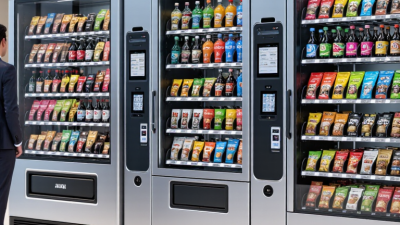
A combination vending machine can turn a narrow lobby, staff room, or transit-area corner into a compact refreshment point. But choosing one is not simply a matter of counting spirals or reading the product list. Buyers need to consider the space available, expected foot traffic, delivery access, payment options, temperature control, and how quickly staff can restock the machine. Small details matter. A door that opens into a busy corridor can complicate servicing; a poorly planned mix can leave popular shelves empty while slower items sit untouched.
This guide compares ten combination vending machines for global buyers, focusing on practical fit rather than promotional claims. The right model may combine snacks and drinks, chilled and ambient products, or different package sizes, depending on its design. Buyers should verify capacity, power requirements, dimensions, warranty terms, and local service support directly with each supplier. Specifications and availability can change, and a machine that performs well in one location may disappoint in another.
Vending operations consultant Bob Tullio is a relevant industry expert, but no verifiable quotation from him was provided for this article. To protect accuracy, this guide does not present invented words as his. One useful buying principle remains: match the machine to the route, the site, and the people who will maintain it. Simple, perhaps. Still easy to overlook.
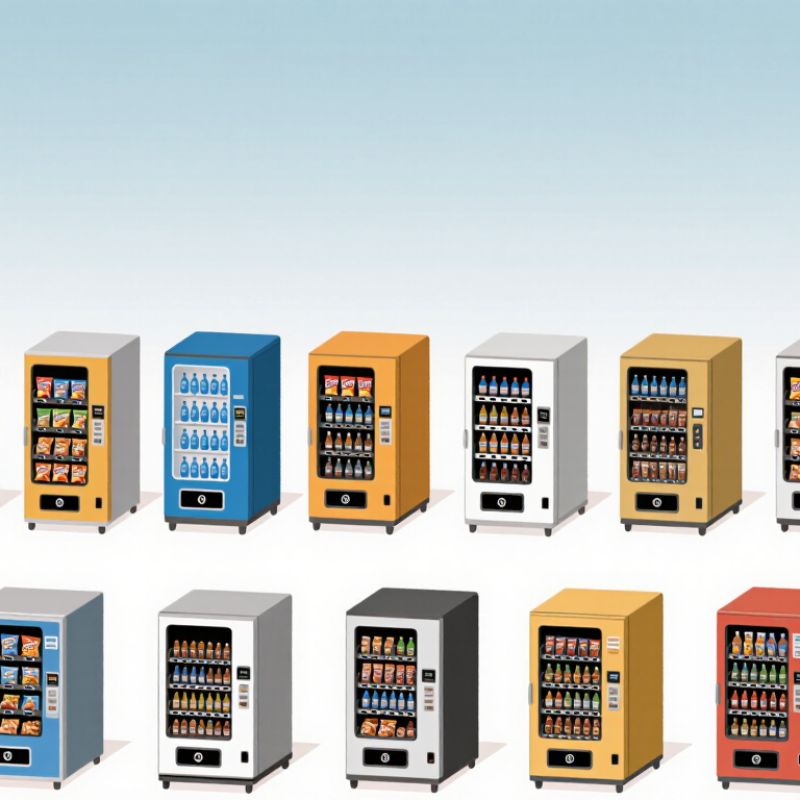
Combination vending machines combine different product categories in one cabinet, helping operators serve varied needs where floor space is limited. Common formats pair chilled drinks with snacks, or offer refrigerated meals alongside shelf-stable items. Some machines use separate temperature zones; others are designed for a narrower range of products. The distinction matters. A sandwich and a chocolate bar do not need the same storage conditions.
Product mix should reflect the location, local purchasing habits, and how often staff can restock. In an office, water, coffee, fruit, and small snacks may suit short breaks. At a transport hub, portable meals and drinks can be more practical. Check package dimensions, shelf strength, expiration dates, and the machine’s cooling capacity before loading products. A crowded shelf can block airflow. Not every mix works.
Global applications require more than translating the screen. Buyers should consider local payment preferences, product labels, electrical standards, climate, and access to maintenance. In a hot, humid location, reliable cooling and routine temperature checks become especially important. Remote monitoring can help flag low stock or equipment faults, but it cannot replace physical inspection. A realistic product plan leaves room for slow sellers and seasonal changes. Even a well-researched mix may need adjustment after launch.
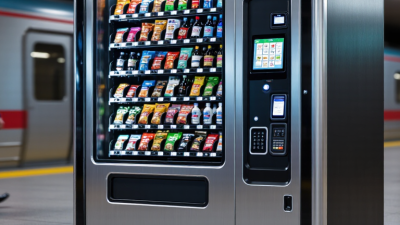
For global buyers, capacity is more than the number of selections shown in a product sheet. Check each compartment’s usable space, package dimensions, and likely sales mix. A machine holding many small drinks may fit fewer meal boxes than expected. Capacity figures are oddly easy to overtrust. Ask suppliers for loading diagrams and sample configurations, then compare them with your actual products.
Temperature zones matter when one machine serves chilled drinks and shelf-stable snacks. Confirm the operating range for each zone, how temperatures are monitored, and what happens after a power interruption. For sites with warm summers, request test data under realistic ambient conditions. A stated temperature alone is not enough; door openings and restocking can affect recovery time.
Payment options should match local customer habits and network reliability. Check support for contactless cards, mobile payments, and local currencies, plus how transactions work during brief connectivity outages. Energy use deserves the same scrutiny. Request consumption in kilowatt-hours per day, the test conditions, and whether refrigeration settings affect that figure. Compare models under similar conditions, not just headline estimates. A neat spreadsheet can still mislead if site climate, stocking frequency, and product temperature are ignored. Ask for details in writing; small omissions can complicate installation later.
A useful top-ten comparison starts with the product mix, not the cabinet’s appearance. Snack-and-drink units suit offices and transport hubs with steady foot traffic. Chilled-meal models need dependable refrigeration and closer stock checks. Fresh-food combinations add variety, but short shelf life can increase waste. Coffee-and-snack formats work where customers pause, though cleaning adds labor. Small details matter.
Market conditions change the ranking. Grand View Research estimated the global vending-machine market at USD 21.4 billion in 2023, projecting 10.7% annual growth from 2024 to 2030. NAMA’s 2023 Industry Census valued the U.S. convenience-services sector at USD 26.6 billion. These figures describe broad markets, not guaranteed returns for any machine. Buyers should compare local demand, payment preferences, power reliability, climate, and access to replacement parts. A compact unit may fit a narrow corridor, yet require more frequent refills. Telemetry can flag low stock, but it cannot fix poor product choices. The ranking is not absolute; I would reassess it after a few weeks of real sales data.
Operating complexity by product mix and service requirements
The 1–5 scale is a qualitative planning comparison: higher scores indicate greater refrigeration, replenishment, or maintenance demands. Configurations are generic machine types; scores are not sales or market-share data.
Top 10 Combination Vending Machines for Global Buyers
Cold-Food Benchmark: FDA Food Code 2022 Sets a 41°F (5°C) Limit
For combination vending machines, cold-food safety deserves close attention. The FDA Food Code 2022 sets 41°F (5°C) as the maximum cold-holding temperature for time/temperature control for safety foods. It is a model code, not a single rule automatically applied worldwide. Buyers should confirm the requirements adopted by the local authority.
The number on a machine’s display is only one part of the picture. Check whether the cold compartment holds food at or below the limit during busy periods, door openings, and restocking. Ask how temperature is monitored and what happens when it rises. A warm air reading may not match the temperature at the center of a food item. Small detail. Big difference.
Review the machine’s loading instructions, sensor placement, and alarm history before comparing models. Test it with the actual packaged products and operating schedule, not an empty cabinet. Keep cold items separate from any heated zone, and avoid overfilling shelves that block airflow. Measurements can be imperfect. That is worth admitting. A calibrated probe and recorded checks provide stronger evidence than a reassuring screen alone.
The table compares machine configurations, not ranked or branded products. Under the FDA Food Code 2022 model provisions, cold-held time/temperature control for safety (TCS) food must generally be maintained at 41°F (5°C) or below. The Food Code is a model code; applicable requirements depend on local adoption and jurisdiction.
| Configuration | Cold-food assortment | Ambient assortment | Cold-food benchmark and controls to evaluate | Potential use case | Global buyer checks |
|---|---|---|---|---|---|
| 1. Chilled meals + snacks | Packaged salads, sandwiches, chilled meals | Chips, crackers, shelf-stable desserts | Confirm TCS items are held at 41°F (5°C) or below; check temperature monitoring, alarm response, and recovery after door or service access. | Offices, campuses, and transport hubs | Verify local food-code rules, electrical supply, payment methods, and service coverage. |
| 2. Dairy + pantry essentials | Chilled milk, yogurt, and other appropriately labeled dairy products | Cereal, tea, coffee, and shelf-stable snacks | Check that chilled products stay within their required storage temperatures and that the refrigeration system is suitable for the intended load. | Residential buildings and workplace break areas | Check local labeling, allergen-information, and date-marking requirements. |
| 3. Fresh produce + snack mix | Cut fruit and other chilled produce requiring temperature control | Whole fruit where appropriate, nuts, and packaged snacks | Determine which products are TCS foods; maintain applicable cold-holding temperatures and prevent cross-contamination through packaging and loading procedures. | Gyms, hospitals, and education sites | Assess shelf life, replenishment frequency, and local rules for unpackaged or prepared produce. |
| 4. Protein meals + convenience goods | Chilled ready-to-eat meals containing meat, eggs, or other TCS ingredients | Shelf-stable meal accompaniments and snacks | Use a validated refrigeration setup capable of maintaining applicable limits; establish receiving, stocking, and corrective-action procedures. | Industrial sites and 24-hour workplaces | Confirm food-business responsibilities, inspection rules, and approved product sourcing locally. |
| 5. Beverage + chilled snack | Chilled dairy-based drinks and other beverages requiring refrigeration | Shelf-stable drinks, bars, and packaged snacks | Separate products by required storage condition; verify that the chilled compartment can maintain its specified range during expected ambient conditions. | Transit locations and leisure venues | Check climate rating, ventilation clearances, voltage, and plug requirements. |
| 6. Fresh-food + hot-drink station | Chilled sandwiches, salads, and packaged meals | Hot beverages dispensed by a separate brewing system | Assess refrigeration independently from the beverage heater; ensure heat from the brewing section does not compromise cold-food storage. | Offices, hotels, and visitor centers | Review combined electrical demand, water supply, drainage, and sanitation needs. |
| 7. Frozen treats + ambient snacks | Frozen products stored in a dedicated freezer section | Shelf-stable snacks and confectionery | Frozen storage is not the same as chilled holding; check the product's required frozen-storage conditions and keep freezer and ambient zones distinct. | Recreation venues and seasonal sites | Evaluate defrost behavior, local climate, power reliability, and frozen-product handling requirements. |
| 8. Multi-temperature meal hub | Chilled ready-to-eat meals in a refrigerated compartment | Shelf-stable sides and sealed utensils | Confirm each temperature zone has appropriate monitoring and that the cold zone maintains 41°F (5°C) or below for TCS food where the FDA model provision applies. | Large campuses and mixed-use buildings | Ask for zone-specific operating specifications and installation requirements. |
| 9. Compact chilled + ambient cabinet | A limited selection of chilled packaged foods | A larger selection of shelf-stable items | Check usable refrigerated space, loading practices, temperature display, and whether the system can hold target temperatures in the intended environment. | Small offices and low-footfall locations | Compare available space, accessibility, noise limits, and local installation constraints. |
| 10. High-capacity chilled + ambient bank | A broad range of chilled meals, dairy items, and packaged snacks | Shelf-stable meals, snacks, and drinks | Prioritize documented temperature control, accessible monitoring, clear alarm escalation, and routine checks across all refrigerated sections. | Hospitals, airports, and high-traffic workplaces | Check replenishment logistics, local certification, maintenance response, and applicable food-safety obligations. |
Buyer note: Machine features alone do not establish food-code compliance. Confirm product-specific requirements, equipment documentation, monitoring procedures, and the rules adopted by the local authority.
A combination machine may chill drinks and warm packaged food, but each function brings distinct safety questions. IEC 60335-2-75 addresses safety requirements for commercial dispensing appliances and vending machines. Buyers should confirm that the tested model, options, and intended use match the equipment being offered. Ask for the relevant test reports and certification scope, not just a logo on a brochure. Check door interlocks, accessible wiring, and heat around the food compartment. Small details matter.
UL 751 is a vending-machine safety standard used in North America. Requirements and approval pathways can differ by market, so confirm the applicable edition with a qualified testing body or local authority. Request model-specific documentation, including any conditions attached to the approval. A machine with a similar appearance may have different electrical parts. Paperwork can lag behind a product revision.
PCI DSS v4.0.1 concerns payment-account data security, not the machine’s electrical safety. Confirm how the payment terminal connects, where transaction data is processed, and which organization manages the payment environment. A validated payment solution may reduce exposure, but it does not automatically make every connected system compliant. Ask your acquirer or qualified assessor to clarify scope. In practice, documentation can be incomplete; that is a reason to verify, not assume.